
The Story
Why it exists.
The beginning
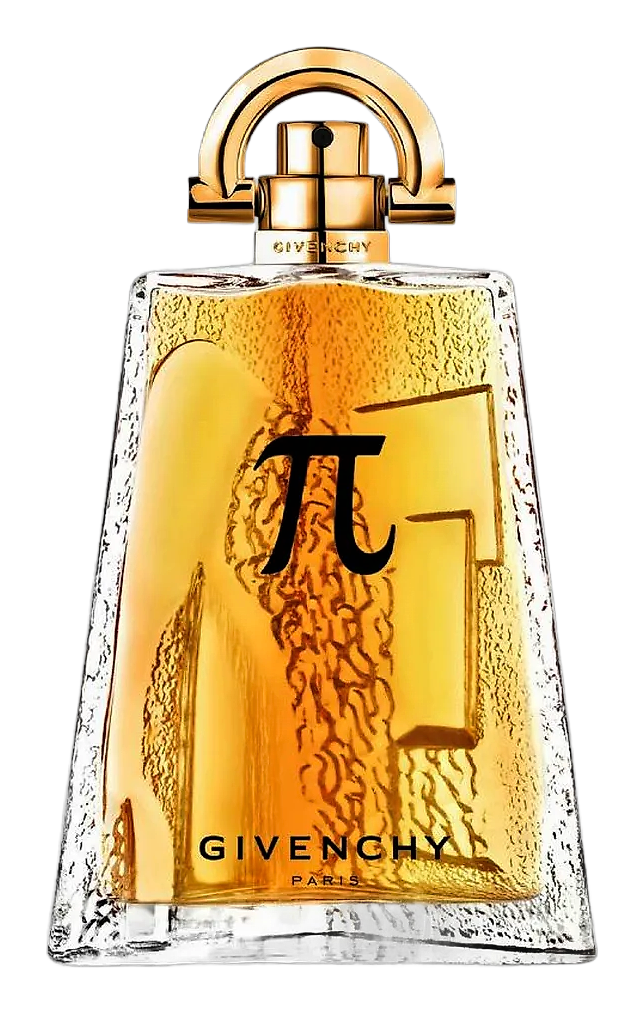
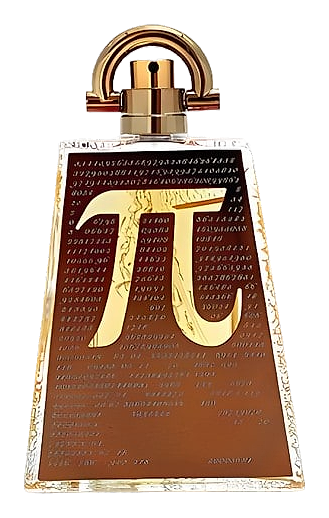
Alberto Morillas designed Pi Original Code as a special edition, a collector's bottle for men, launched in 2006. The original Pi had already staked out Givenchy's claim in the Oriental Woody masculine space. This iteration refined and intensified that territory, targeting the man who wants the reward without apology. The name itself carries Givenchy's philosophy: the mathematical constant, the irrational number that never ends, intelligence as a form of beauty, conquest as a form of elegance.
The almond-vanilla-tonka triad is what makes this work. Each material pulls the others into a different register. Vanilla brings warmth and depth, tonka bean adds coumarin's hay-like sweetness and slight tobacco undertone, and almond, often underused, gives a nutty, almost marzipan roundness that lifts the whole base off the skin. The aromatic herbs (rosemary, basil, tarragon) don't fight this sweetness. They cut it, cool it, give it architecture. Without them, this would be a dessert. With them, it's a statement.
The evolution
The opening hits bright and citrussy, mandarin orange that doesn't linger long before the herbs take over. Rosemary and basil arrive within minutes, cool and green, cutting through the sweetness before it fully establishes itself. This phase lasts a solid hour, and it's where the fragrance earns its intelligence. The drydown shifts slowly. Almond and tonka emerge as the herbs recede, warm and edible. Vanilla and benzoin deepen the base into something resinous and sweet. Cedar anchors everything, keeping the warmth from floating away. By hour three, you're wearing warm resin and vanilla with faint nuttiness underneath. Lasts into the evening on most skin types, longer on fabric.
Cultural impact
Released in 2006, Pi Original Code landed during Givenchy's expansion into warmer, sweeter masculine territory. The fragrance sits alongside the house's Gentleman line as a counterpart, where Gentleman plays classic and refined, Pi plays bold and rewarding. The sweet Oriental masculine genre was peaking in the mid-2000s, and Givenchy's couture heritage gave this one a structural elegance that kept it from becoming simply edible.