The Story
Why it exists.
The beginning
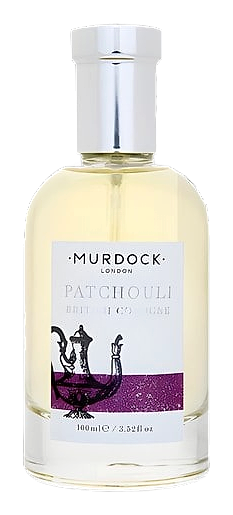
Murdock London built its fragrance collection around 2010, emerging from the wave of modern barbershops reclaiming the grooming ritual for a new generation of men. Patchouli arrived early in that collection, one of the founding scents alongside Black Tea and Fougere. The brief was clear: take an ingredient with history, attitude, and baggage, and strip it back to something a contemporary Londoner would actually reach for.
The choice of Indonesian patchouli matters here. Not the rough, skanky variety that can tip into protest rally territory, this is the refined, velvety kind. Murdock paired it with Spanish geranium, Indian rose, and jasmine sambac to keep everything lifted, almost airy. The suede in the base doesn't smell like cheap gloves. It smells like the inside of a well-worn leather jacket, the kind with character.
The evolution
The opening salvo of black pepper, cardamom, and nutmeg hits immediately, clean, almost astringent. Your skin might read it as slightly bitter for the first five minutes. Then the petitgrain pulls back, and the florals start their slow unfurling. Geranium and rose arrive quietly, not pushing, just present. The ylang-ylang adds a creaminess that keeps the spices from becoming aggressive. By hour two, the Indonesian patchouli has taken over, but it's polite, it lingers close to the skin rather than announcing itself. The suede and amber become most apparent around hour four, when the florals have faded and what's left is warm, woody, and surprisingly intimate.
Cultural impact
Patchouli occupies an interesting space in the modern British fragrance landscape, neither heritage-house formal nor full-commitment niche. Murdock London designed it for men who want something distinctive without the performance art of niche perfumery. The woody-floral-musky structure reads as masculine without being aggressive, approachable without being safe.