



Heritage
A house, in its own words
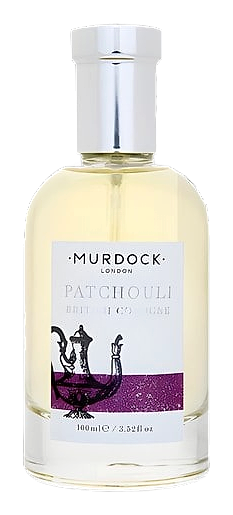
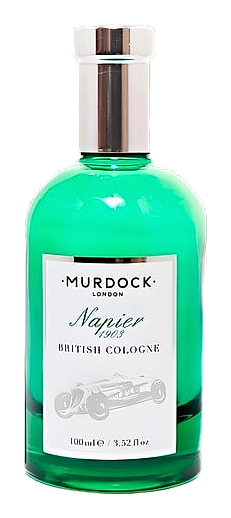
Murdock London emerged as part of London's barbershop renaissance, a wave of modern grooming establishments that sought to reclaim and reinterpret the ritualistic barbershop experience for contemporary men. Unlike the century-old establishments it operates alongside in the city, such as Geo F. Trumper and Penhaligon's, Murdock entered a market already saturated with heritage names and positioned itself as a fresh alternative with a distinctly modern voice. The brand's fragrance collection began appearing around 2010, starting with foundational scents like Black Tea, Patchouli, Fougere, and Bright Leaf. These initial releases established a pattern of drawing thematic inspiration from British history, trade, and culture. Black Tea specifically references England's complex relationship with the beverage, which arrived in the country in 1657 but faced heavy taxation and smuggling before becoming a cultural staple. The brand expanded its collection through the early 2010s with releases including Vetiver in 2011, Napier 1903 in 2014 (inspired by early automotive racing), and Renshaw in 2014. Murdock London's parent company operates barbershops in multiple locations, allowing the fragrance line to benefit from direct consumer interaction and trial within a grooming context. The brand reportedly collaborated with an undisclosed fragrance house to develop its initial four scents, though the identity of this partner has not been publicly confirmed. Rather than attempting to compete on heritage grounds against established British perfume houses, Murdock London built its identity around accessibility and modern masculinity, targeting men who appreciated craftsmanship but wanted something less fusty than their grandfathers' fragrances. The brand's growth trajectory led to retail distribution beyond its own locations, gaining placement in upscale American department stores where it competes alongside both heritage European houses and newer grooming brands. Public information about founding dates, initial funding, or expansion milestones remains sparse, leaving significant gaps in the brand's documented history. Murdock London's approach to fragrance creation reflects a philosophy grounded in the barbershop experience rather than the atelier traditions of classical perfumery. Where many fragrance houses emphasize the artistic vision of a perfumer or the exclusivity of bespoke blending, Murdock positions its scents as functional elements of a broader grooming ritual. The brand's fragrance development reportedly began through collaboration with an external fragrance house, suggesting a practical approach that prioritizes consistent results over creative mythology. Each scent in the collection carries a specific conceptual anchor drawn from British history or culture, giving customers narrative touchstones that aid selection and enhance the purchase experience. Black Tea references colonial trade routes, Napier evokes Edwardian motorsport, and Patchouli nods to bohemian counterculture. This approach treats fragrance as storytelling, allowing buyers to choose scents that align with personal identity rather than simply selecting from a flavor profile. The brand's emphasis on masculinity appears consistently across its communications, though this term is applied generically rather than defined through specific aesthetic or cultural references. Murdock appears to understand its customer as someone seeking confidence and sophistication through grooming but perhaps finding traditional luxury fragrance houses either inaccessible or misaligned with their self-image. The collection's relatively contained size (eight fragrances) suggests intentional curation over mass-market expansion, though whether this reflects strategic restraint or limited resources remains unclear. The brand's barbershop origins inform its approach to fragrance as something applied rather than contemplated, practical rather than precious, though the quality positioning and price point place the products firmly in the luxury category.