The Story
Why it exists.
The beginning
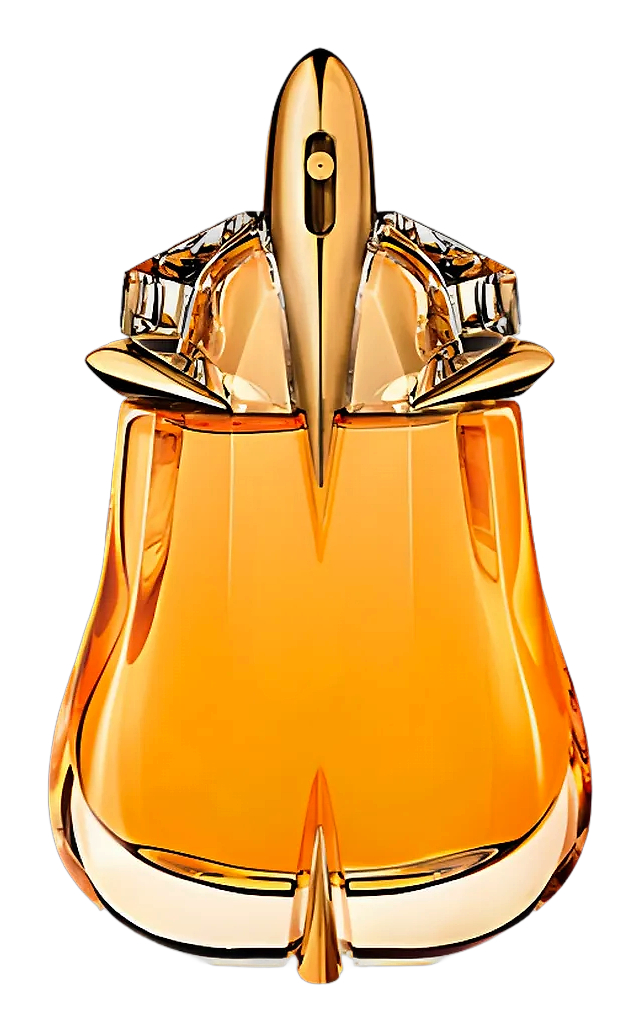
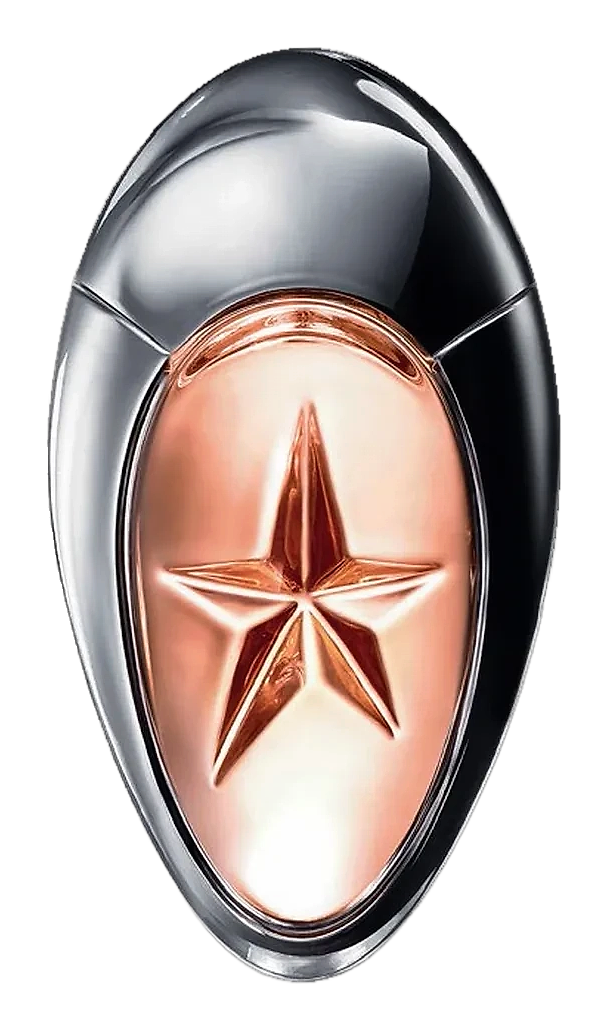
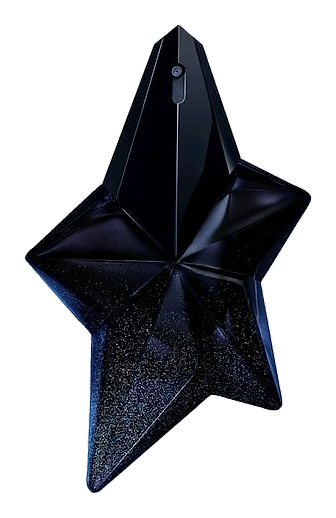
Angel Glamorama arrived in 2014 as a limited collector's edition, a special refillable star bottle dressed in dark blue glass with light blue glitter dots catching the light. It was the house's glamorous seasonal statement, a new face for an old icon, announced just as the weather turned cold and the holidays approached. The campaign brought Georgia May Jagger on board as the new face of Angel, two decades after her mother Jerry Hall held that same role from 1995 to 1997. That continuity wasn't accidental, it was a deliberate moment of heritage made personal, the fragrance's story folding in on itself with a new generation standing where the last one had been. Julien Zénier directed the campaign film, leaning into a glam-rock register that matched the bottle's updated look. The name said it all. Glamorama, glamour pushed to the point of spectacle, a fragrance that knows exactly what it is and refuses to apologize for it.
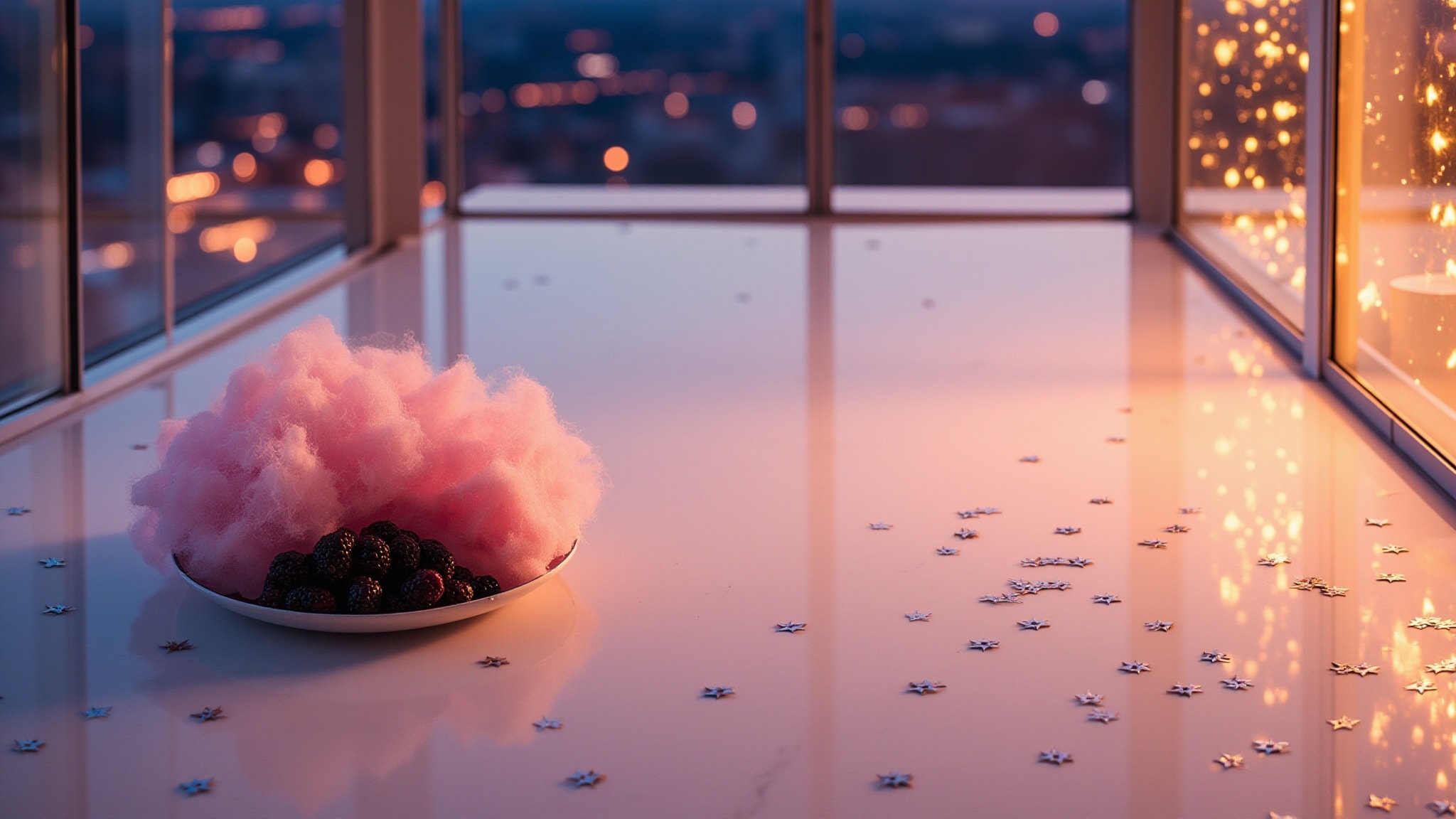
The Angel DNA runs through Glamorama unchecked. That cotton candy accord, ethyl maltol, the molecule Olivier Cresp and Yves de Chiris used to help define the original Angel in 1992, appears here and doesn't hide. But what makes this edition feel like its own creature is the expansion of the fruity-floral heart: plum, red berries, blackberry, peach, and apricot give the middle a dense, jammy quality that feels almost confectionery, while jasmine, rose, orchid, and lily of the valley push underneath. The coconut in the top adds a warm, slightly beachy undertone that makes the whole thing feel sun-kissed rather than synthetic.
The evolution
The opening announces itself immediately, blackcurrant, cotton candy, bergamot, a flash of mandarin orange. That ethyl maltol sweetness hits first, pure candy floss, with coconut and melon softening the citrus edges. It announces itself without apology. This is not a quiet fragrance in its first hour. As the top notes soften, the heart takes over, honey, plum, red berries, peach, apricot. The transition from citrus-candy to fruity-jam is seamless, almost fluid. Jasmine and rose push through, but this isn't a floral heart, it's a thick, sweet fruit compote with something warm underneath. The honey makes everything stickier, more enveloping. Three hours in, patchouli and chocolate arrive. The sweetness doesn't disappear, it deepens, becomes darker, merges with the earthy patchouli into something that smells like a chocolate-covered orange liqueur. Caramel, vanilla, tonka bean, and amber keep the warmth going. By hour five, it's close to the skin, intimate, a whisper of chocolate and patchouli with vanilla lingering underneath.
Cultural impact
Since its 2014 debut, Angel Glamorama has remained a collector's item for Angel devotees and Mugler enthusiasts drawn to its theatrical excess. The limited edition status and glamorous star bottle design have made it a sought-after piece among fragrance collectors, while the bold sweet-fruity-patchouli structure continues to polarize and captivate in equal measure. The fragrance resonates most with wearers who treat perfume as a statement rather than a background, people who want a scent that announces itself, that gets remembered, that refuses to blend in. Glamorama sits squarely in the tradition of Mugler fragrances that divide opinion and spark conversation, which is exactly what the house intends.