The Story
Why it exists.
The beginning
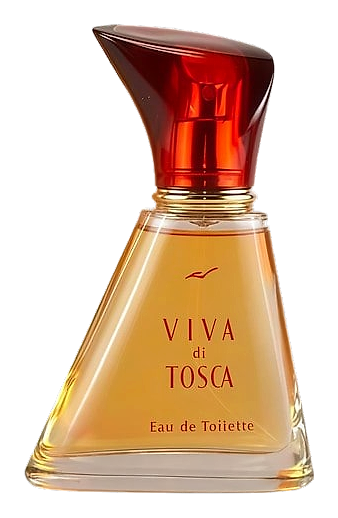
Viva di Tosca arrived in 1997 as Mathias Werner's Eau de Parfum for women. Its materials tell the story more clearly than any invented mythology: orange blossom, petitgrain, mandarin, and peach place ripe fruit beside green citrus, while iris, ylang-ylang, gardenia, and tuberose build a formal floral heart. Below them sit tonka bean, amber, spices, cedar, musk, and powder. Together, the notes create a composed fragrance with bright fruit, green citrus, creamy florals, warm sweetness, and a structured dry base.
The unusual pleasure sits in the tension between crisp citrus, creamy florals, and a warm sweet base. Peach gives the opening a ripe, fruit-scented character, while mandarin and petitgrain add brightness and a green citrus edge. Iris introduces a polished floral quality that balances the fruit. Gardenia and tuberose add white floral fullness, while ylang-ylang brings a rounded floral spice. Amber, tonka bean, spices, cedar, musk, and powder shape the underlying accord, giving the composition warmth, depth, and a softly textured finish.
The evolution
Viva di Tosca is arranged around a bright fruit-and-citrus opening, with peach, mandarin, petitgrain, and orange blossom creating a lively first impression. The floral materials provide a counterpoint: iris brings a cool, polished character, gardenia and tuberose contribute creamy body, and ylang-ylang adds a rounded, gently spiced accent. The listed base of tonka bean, amber, spices, cedar, musk, and powder gives the fragrance warmth and structure beneath its fruit and floral notes. Its appeal comes from the way these contrasting materials coexist: ripe sweetness, green citrus, full florals, and a warm, softly textured base in one composition.
Cultural impact
Viva di Tosca was introduced in 1997 as a women's Eau de Parfum from Mathias Werner under Muelhens. Its 1997 appearance gives the fragrance a clear place in its release history, while its note profile offers a distinctive exploration of contrasts. Ripe peach, mandarin, petitgrain, and orange blossom sit beside iris, ylang-ylang, gardenia, and tuberose, with tonka bean, amber, spices, cedar, musk, and powder forming the base. The result is a composed fragrance that invites attention through its interplay of fruit, citrus, floral fullness, warmth, and texture.
The House
MuelhensHistoric German fragrance house founded in 1796, creator of the iconic 4711 cologne and Carrera fragrances. Now part of Mäurer & Wirtz.
The Creator
Mathias WernerThe available material does not identify Werner's preferred ingredients, concentration, or signature techniques, so any detailed description would be speculative. His style is presented through broad creative qualities: an interest in expressive compositions, the heights of fr…