The Story
Why it exists.
The beginning
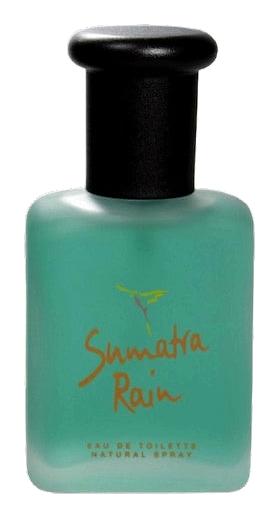
The name says everything. Sumatra, the Indonesian island where monsoon season transforms the lowland forests into something almost obscenely alive, humidity thick enough to taste, green so intense it stops being a color and becomes a sensation. Muelhens didn't choose the name casually. They were reaching for something specific: the moment rain breaks against canopy, when the air cracks open and everything smells like growth, like earth, like the sky exhaling. The 1993 release captured that in a bottle, not a literal translation, but an emotional one. The kind of freshness that doesn't apologize for being green. The kind of presence that arrives before you do.
The top accord is where Sumatra Rain earns its name. Galbanum, a gum resin with an intensely green, almost aggressive character, sits alongside lime and bergamot in the opening. Together, they create something that smells like crushed leaves and citrus peel, not the sanitized freshness of synthetic accords. This is actual green. The heart introduces a tension: jasmine and orange blossom push toward sweetness, but the cloves and geranium pull back with a warm, slightly bitter spice that keeps the composition from becoming soft. It's this counterweight that makes the fragrance interesting. Without the spice, it's pleasant. With it, it becomes something you'd remember wearing.
The evolution
The opening announces itself immediately, a sharp, vivid green that doesn't wait for permission. Lime and bergamot provide the initial burst, but within minutes the galbanum takes over, asserting itself with the confidence of something that knows the rainforest. The citrus doesn't fade so much as dissolve into the heart, where jasmine and orange blossom introduce a surprising sweetness. Cloves linger in the background, a warm counterpoint that prevents the florals from becoming too soft. By the second hour, the drydown begins its slow reveal: cedar and sandalwood arrive quietly, settling into the skin alongside musk and a powdery amber warmth from the tonka bean. The moss provides a final echo of green, not the sharp green of the opening, but the softer, darker green of shade and damp earth. This is where Sumatra Rain becomes intimate. The projection drops, the sillage becomes a skin-close warmth rather than a room-announcing presence.
Cultural impact
Sumatra Rain arrived in a specific moment. The early 1990s were dominated by two extremes, aggressive powerhouses for men and the aquatic trend that would crest later in the decade. Against that backdrop, Sumatra Rain offered something different: genuine green freshness with actual character. The galbanum and clove combination was uncommon in masculine fragrances of the era, positioning it as a choice for someone who already knew what they liked and wanted something that felt less like a product and more like a point of view.