
The Story
Why it exists.
The beginning
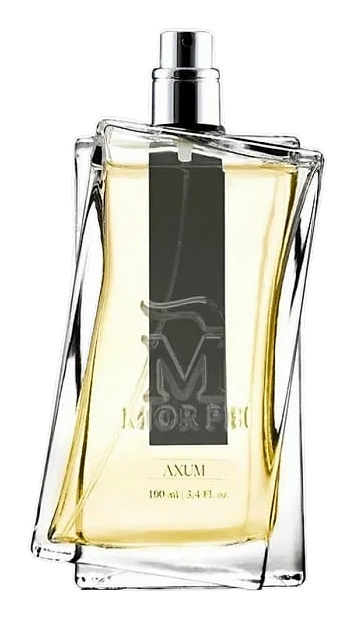
Axum takes its name from a holy city of the Ethiopian Orthodox Church, once the capital of a kingdom of the same name. Morph's 2015 release reaches directly for that reference, pairing frankincense with black caraway and clove at the top, and folding in a vintage champagne distillate at the heart. The opening trio hits with immediate warmth, the frankincense reading more resinous and almost peppery than the smooth churchy variety, while the black caraway adds a bitter herbal snap that keeps things grounded. The clove doesn't shout, but it weaves through the frankincense like a quiet thread of spice, giving the first ten minutes a lifted, almost smoky brightness before the composition settles into something deeper.
Champagne in a fragrance usually signals celebration, sweetness, fizz. Here it does something stranger: it cuts the incense with brightness, lifts the smoke off its knees, and keeps the whole composition from collapsing into pure resin. Black caraway does the opposite work, adding a warm, slightly bitter spice that anchors the incense's delicate edge. Together those two materials create a push-pull that defines the wear, holy smoke and something celebratory sharing the same air.
The evolution
The opening arrives loud. Frankincense and clove hit the skin with a sharp, almost liturgical presence, smoky and resinous and immediate. Within twenty minutes the clove starts to sweeten into the black caraway, and the composition warms from ceremonial to intimate. The heart reveals itself slowly, patchouli rising underneath the incense, cashmere wood adding a dry softness, and that champagne distillate flickering through like light caught in a glass. By the two-hour mark the top has fully dissolved into something warmer and rounder, the smoky intensity replaced by a spiced warmth that reads more like an embrace than a vigil. The drydown is where Axum earns its longevity. Ambergris and vanilla settle into white musk, and what remains hours later is a quiet, golden sweetness with just enough smoke memory to keep it from going soft. On skin the next morning, the sillage is gone but the fragrance lingers in clothes, a warm trace of spice and wood that feels less like a perfume and more like the aftermath of a room where something important was decided.
Cultural impact
The Ethiopian city reference gives Axum a specific cultural anchor that most incense fragrances lack, grounding the composition in a real place with centuries of religious and historical weight rather than abstract mysticism. That specificity shapes the way the fragrance reads, giving the frankincense a sense of place rather than letting it float as a generic resinous warmth. Within the broader incense-and-spice conversation the composition stakes out its own territory, leaning into the resinous warmth that defines the category while adding enough unusual material choices to stand apart.