The Story
Why it exists.
The beginning
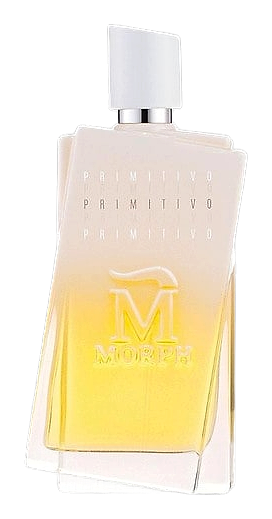
Primitivo is an Italian wine grape, dark, bold, and native to the south. Mathieu Nardin translated that character into scent: something primal and grounding, built for presence rather than politeness. The brief seemed simple: take the grape's instinct and make it wearable. What emerged is a fragrance that doesn't negotiate. Caraway and rose open sharp and bright, then fig milk warms everything into skin-close territory, before Sumatran patchouli and oud anchor the whole thing in something resinous and lasting. It smells like the thing itself, no translation required.
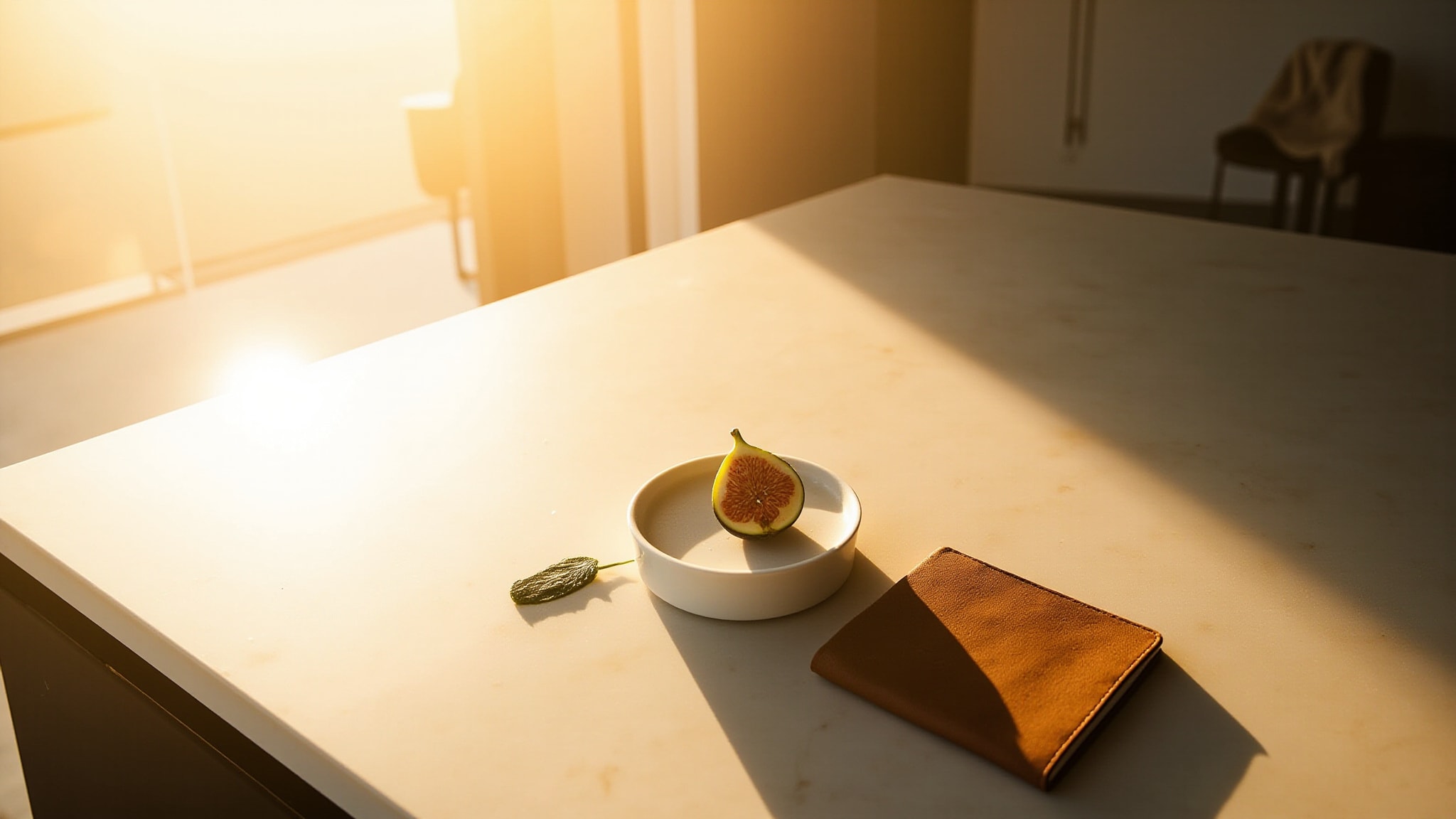
The caraway-rose pairing at the top is genuinely uncommon. Caraway carries a cumin-like sharpness that most perfumers reserve for savory compositions, here it reads as aromatic and metallic instead. The rose doesn't soften it. It co-exists, green and flinty, keeping the opening honest. The fig milk heart is what makes Primitivo stand apart from the usual oud-patchouli territory. Creamy, lactonic, warm, it keeps the composition from becoming another loud statement fragrance. Instead, it pulls everything inward, close to skin, intimate by design.
The evolution
The opening lasts about thirty minutes, sharp, metallic, a flint-and-rose brightness that cuts through air. Around the thirty-minute mark, the fig milk arrives. Creamy and warm, it softens the edge and pulls everything closer to skin. The metallic quality doesn't disappear, it recedes, settling beneath the lactonic warmth like a bass note. By the drydown, Sumatran patchouli and oud take over. Dark, resinous, grounding. The drydown is where Primitivo earns its name, the Primitivo grape accord shows up here, dark and wine-like, before the patchouli and oud lock in close to skin rather than projecting outward. The next morning, there's still something dark and smoky on the wrist. Not projection, residue. The kind that stays.
Cultural impact
Mathieu Nardin has been a notable figure in niche perfumery since the early 2010s, and Primitivo marks his 2026 collaboration with the Italian house. The fragrance carves its own space within the aromatic-oud-patchouli category, the fig milk and ambrettolide pairing at the heart keeps it from following the usual loud-oud formula. Wearers describe it as the scent of someone who walks in and doesn't need to announce themselves.
The House
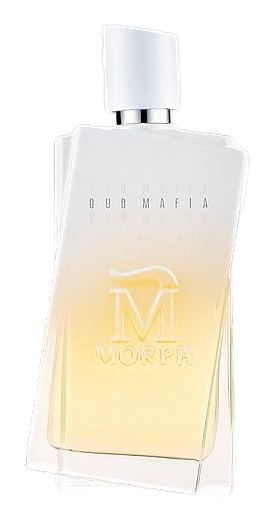
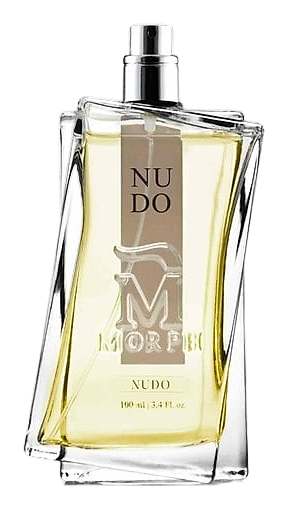
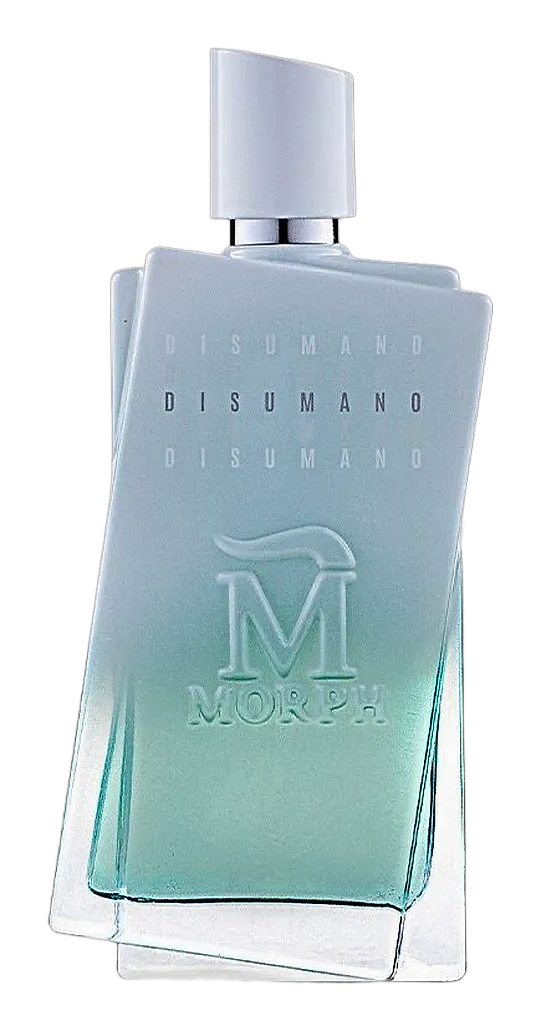
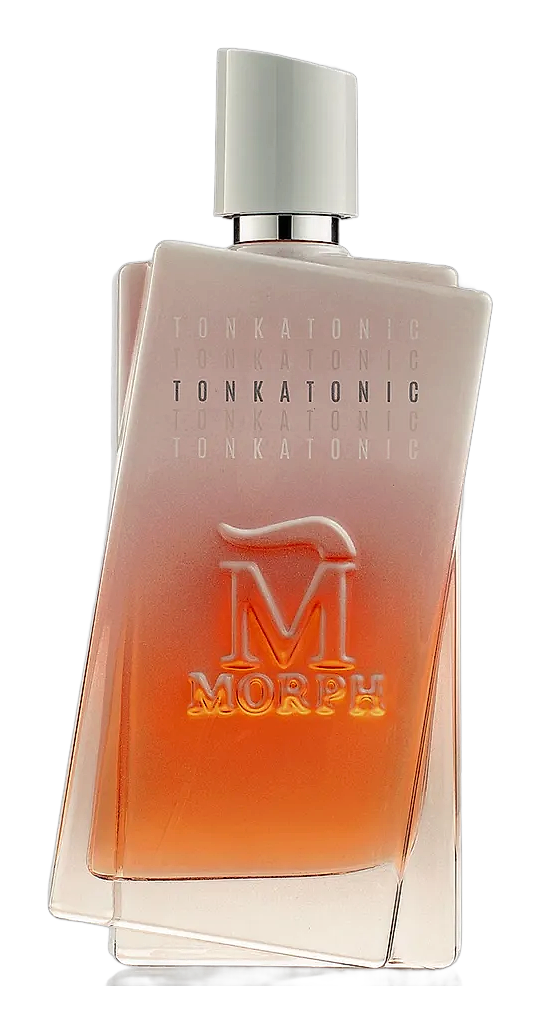
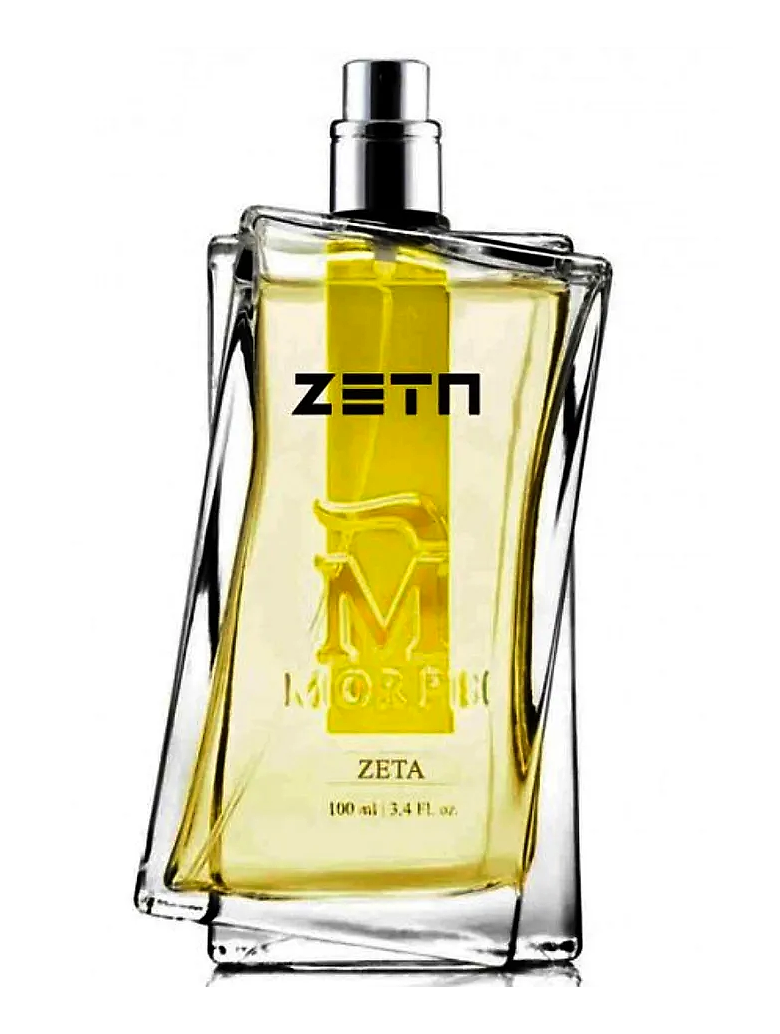
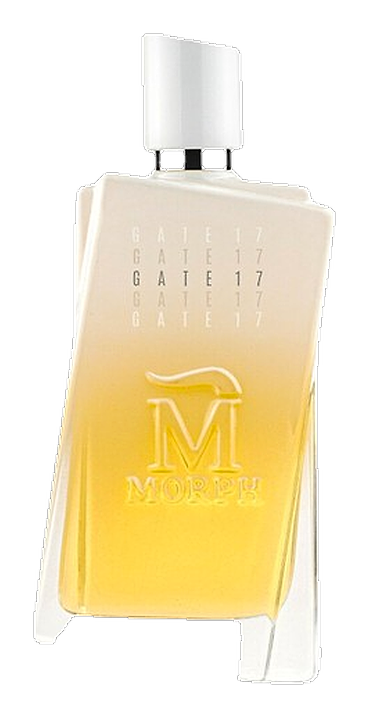
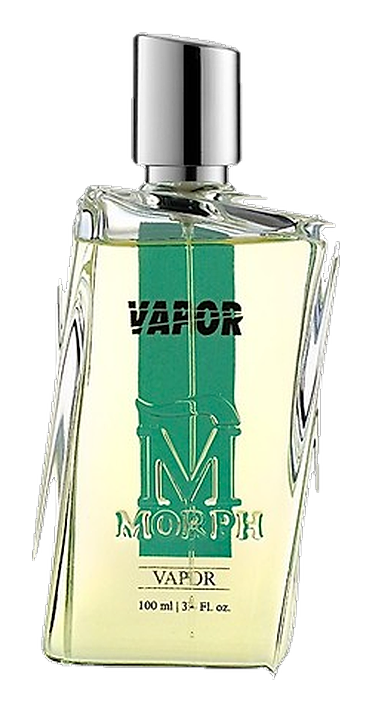
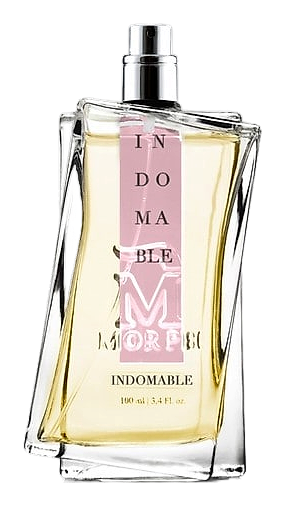
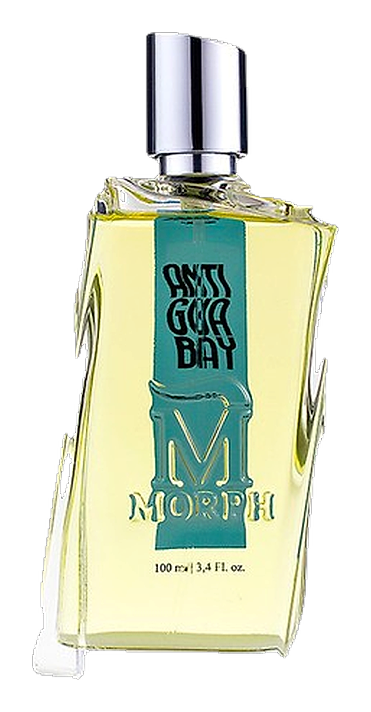
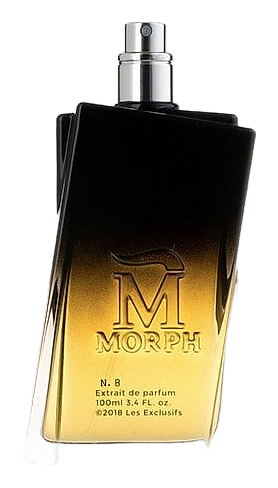
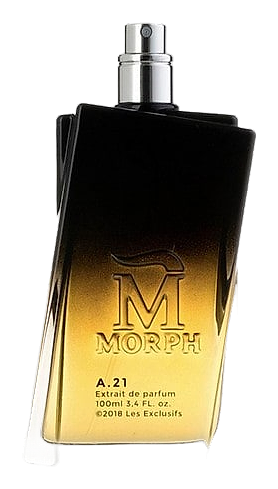
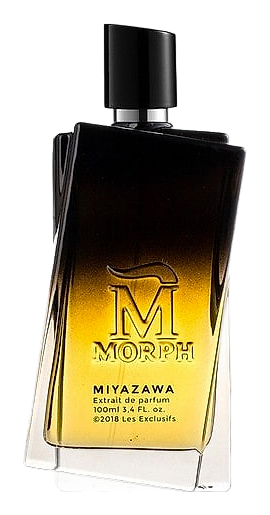
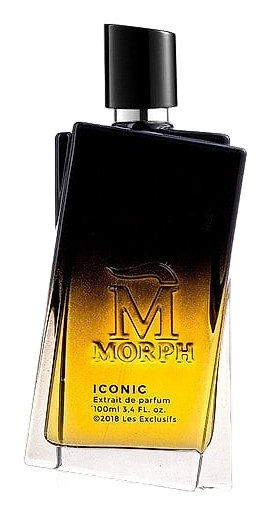
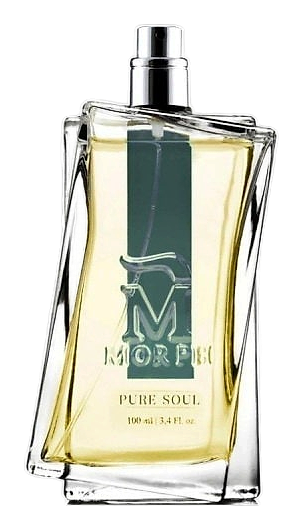
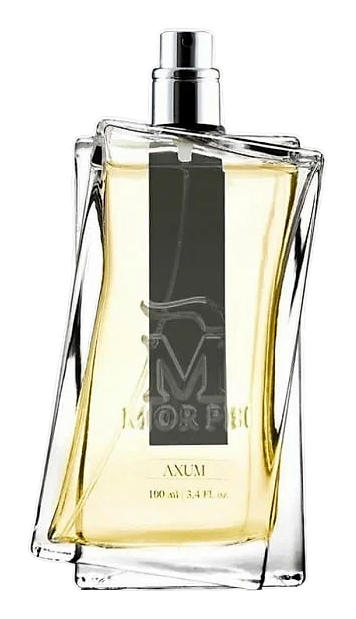
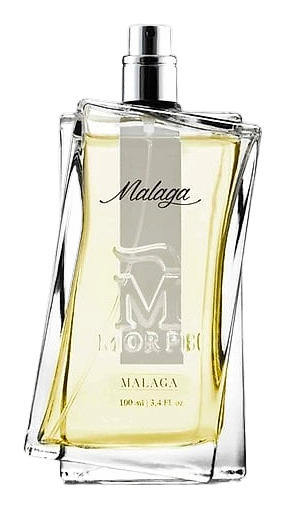
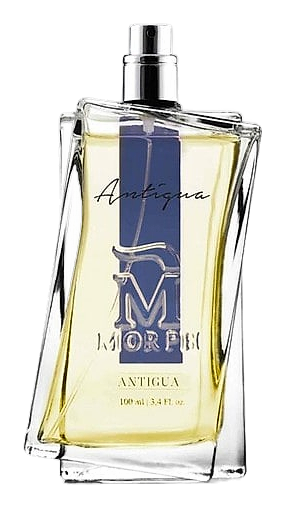
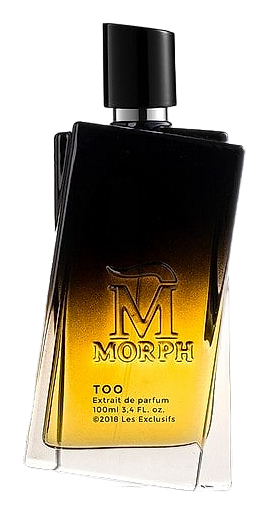
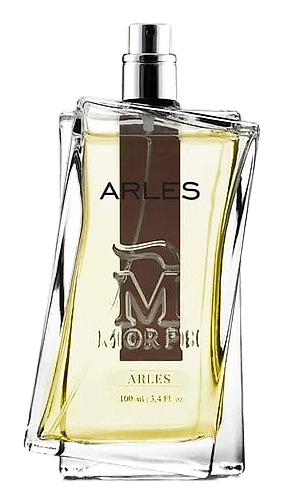
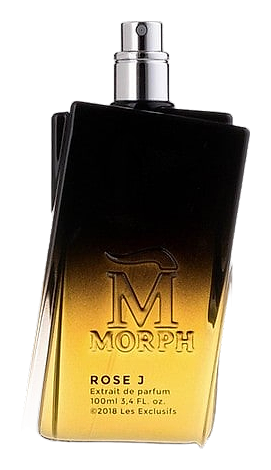
MorphMorph is an Italian niche fragrance house from Naples, built around the concept of transformation through scent. The brand operates with reportedly high perfume extract concentrations around 35%, setting it apart from conventional fragrance houses. Morph describes its collections as wearable art, each fragrance designed to function as a catalyst for personal change rather than simply a pleasant smell. The house has no formally credited perfumers across its releases, suggesting a house-approach to composition where identity flows from the brand rather than individual creators. Notable fragrances span years from 2016 onward, including Vision, Axum, Zeta, Rose J., Disumano, Antigua Bay (2023), and Gate 17 (2024). The brand maintains a distinct identity rooted in Italian tradition while pursuing experimental territory.
The Creator
Mathieu NardinA purist at heart, Nardin begins every composition with the ingredients themselves. He favors flowers, citrus, and natural woods, which he considers the inheritance of his Grasse upbringing.