Moldovan Rose
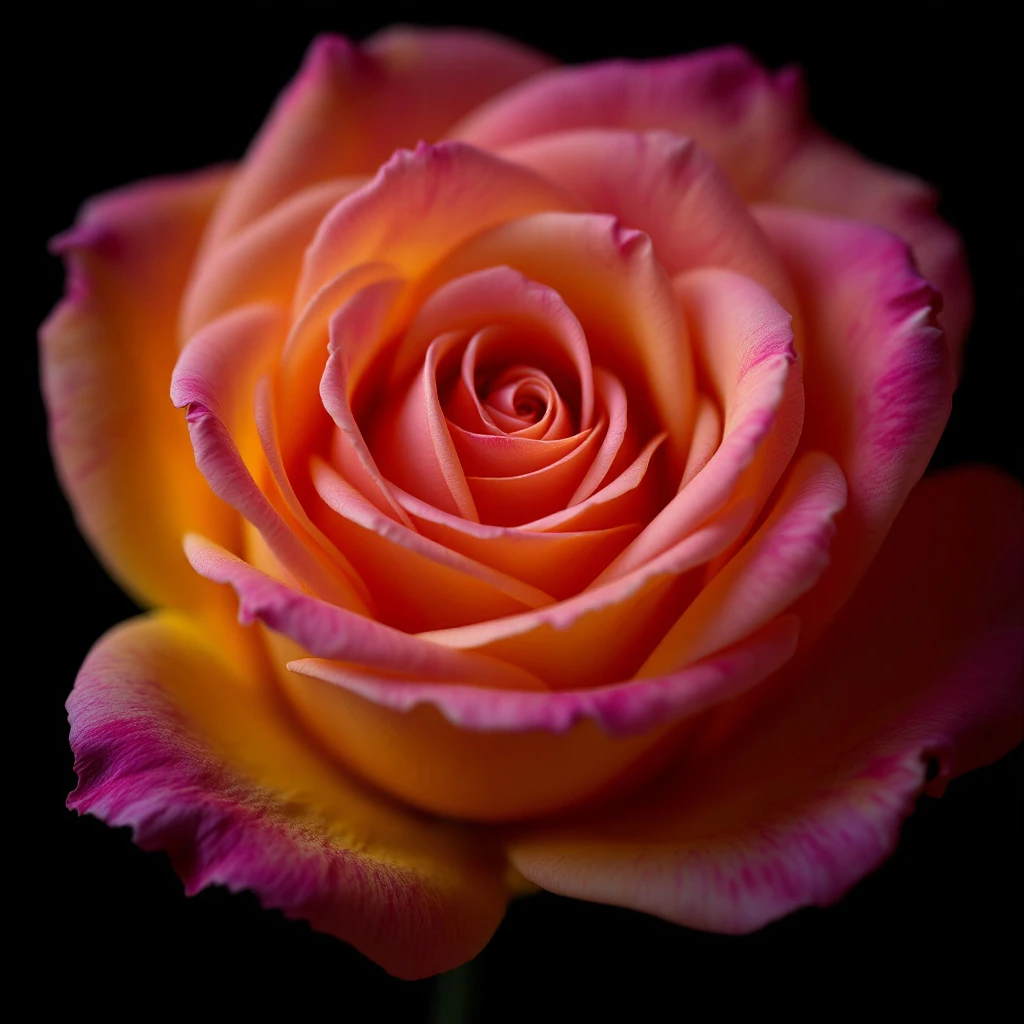
Moldovan Rose descends from ancient Damask lineage, yielding a honeyed, deeply floral absolute prized for its remarkable complexity and the centuries-old tradition of rose cultivation in Eastern Europe's sun-drenched valleys.
Character
How it smells
Eastern Europe's rose heritage distilled to perfection.
It takes roughly 4,500 pounds of rose petals to yield a single pound of absolute, making Moldovan Rose one of perfumery's most concentrated botanical treasures.





Origin
Moldova
The rose has held sacred significance across Mediterranean, Middle Eastern, and European civilizations for millennia. Ancient Persians developed the first rose water distillation techniques around the 10th century, establishing practices that spread through trade networks.
Moldova's rose heritage draws from this Damask legacy, with cultivation flourishing under various regional powers through the centuries. The country's unique climate and fertile soils in the Codru region proved particularly suited to growing roses prized for their intense fragrance.
By the 19th and 20th centuries, Moldovan rose cultivation had developed its own distinct character, producing aromatic profiles influenced by the region's specific environmental conditions. Today, these roses represent a living connection to the ancient trade routes that once carried rose preparations from Persian gardens to European courts, maintaining perfumery's most enduring botanical relationship.
Wears it best
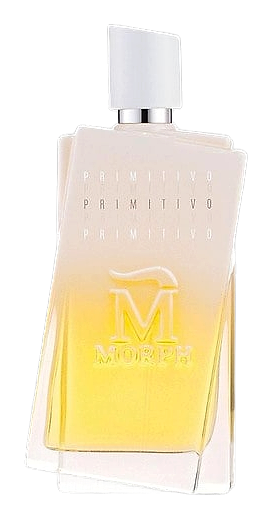
Fragrances featuring Moldovan Rose

Brands
Brands known for Moldovan Rose
Good to know
Questions, answered
The essentials on Moldovan Rose in perfumery: how it smells, where it comes from, and how it behaves on skin.
What does Moldovan Rose smell like?
Moldovan Rose offers a rich, honeyed floral profile with deep rose heart notes. The absolute presents complex layers combining sweet damask characteristics with a deeper, more tenacious base compared to lighter rose varieties.
How is Moldovan Rose extracted?
Producers primarily use solvent extraction to create absolutes, and steam distillation for Otto. Solvent extraction better preserves the complete aromatic profile, yielding a concentrated material used sparingly in fine fragrances.
Why is Moldovan Rose significant in perfumery?
Moldovan Rose maintains Damask rose genetics with a unique regional character. The country's specialized cultivation practices and distinct terroir produce roses with particular intensity valued by perfumers seeking nuanced floral complexity.
What parts of the rose plant are used?
Only fresh flower petals are harvested. The delicate petals must be collected by hand during the narrow morning window when essential oil content peaks, then processed immediately to preserve aromatic compounds.
How much rose material is needed for production?
Approximately 4,500 pounds of petals yield one pound of absolute. This extreme ratio, combined with limited harvest windows, makes natural rose extracts among the most precious perfumery ingredients available.
What makes Moldova's rose cultivation distinctive?
The Codru region's specific latitude, soil composition, and microclimate create conditions that influence the rose's aromatic development. These environmental factors contribute subtle variations not found in other rose-growing regions.
Is rose absolute or rose Otto better for fragrance?
Each serves different purposes. Absolute offers complete aromatic complexity for heart notes, while Otto (steam-distilled) provides a purer, more delicate rose character often used in high-end colognes and skin products.
What fragrance families use Moldovan Rose?
Rose absolute appears across floral, chypre, oriental, and fougere families. It functions as a versatile heart note providing warmth and feminine depth, from delicate aldehydic compositions to rich, spicy orientals.




