
The Story
Why it exists.
The beginning
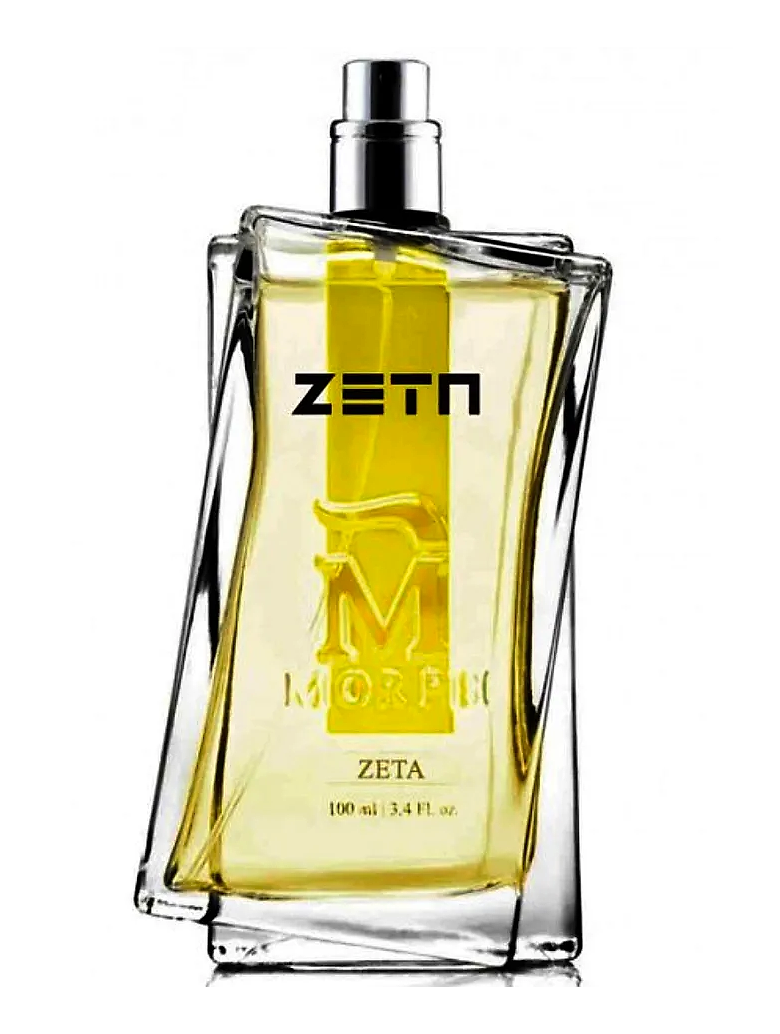
Zeta takes its name from the Greek alphabet's final letter, the endpoint, the last sound before silence. The brand built it around a single provocation: what if a fragrance felt like a reckoning rather than a greeting? Venezuelan cocoa opens the composition with an unblinking darkness, the kind that doesn't soften or explain itself. Ambergris arrives next, animalic and strange, a reminder that scent has roots in the biological, the bodily. Sicilian almond grounds everything in warmth, but not the polite kind. This is warmth as statement.
What makes Zeta work is the tension between the materials. Cocoa and almond could easily become confection, sweet, flat, forgettable. The ambergris changes the math. It's the whale-derived note that gives the composition its animalic pulse, the quality that makes skin smell like memory rather than product. On some wearers, it's oceanic. On others, it's warmer, closer. The material responds to body heat in ways synthetic alternatives can't replicate, which explains why the reviews mention both longevity and inconsistency: this is a living thing, not a formula.
The evolution
The opening doesn't ease in. Venezuelan cocoa arrives fully formed, dark, slightly bitter, immediate. For the first fifteen minutes, there's nothing subtle about it. Then the ambergris surfaces, adding something mineral and animal that cuts through the sweetness without replacing it. This is the phase people disagree about: some encounter it as oceanic, others as skin-warm. Both are correct. The handoff happens around the hour mark, when the cocoa softens and Sicilian almond takes over. The drydown is creamy, nutty, almost edible, vanilla-adjacent without being vanilla. On clothes, it lasts three days. On skin, expect eight to ten hours depending on your chemistry. The morning after, there's a ghost of almond and something warm that refuses to leave.
Cultural impact
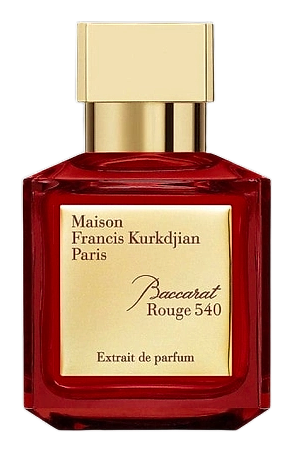
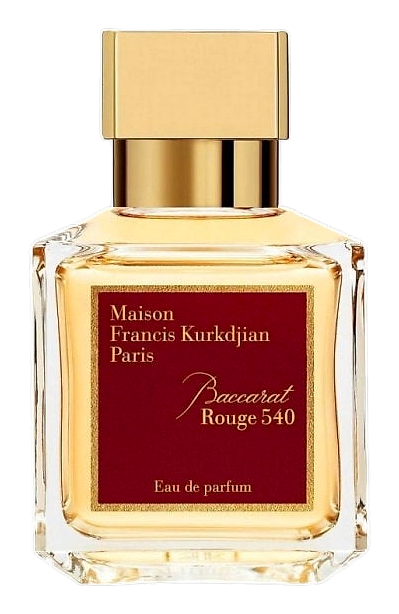
Zeta has carved out a position in the niche market as a statement piece, something people wear when they want projection and presence over politeness. The fragrance draws comparisons to Baccarat Rouge 540 in community discussions, though wearers describe it as more direct, less translucent. It's not for the office. It's for the evening, the cold season, the moment when subtlety becomes a choice rather than a default. What makes it notable in niche circles is the ambergris: a material that's become rare and contested, used here in a way that keeps the composition animalic without becoming aggressive. For those who want the BR540 effect but with more backbone, Zeta fills that gap.