Venezuelan cocoa
Venezuelan cocoa brings the richness of criollo heritage into fragrance—dark, velvety, and deeply aromatic. Discover how this legendary ingredient shapes scent.
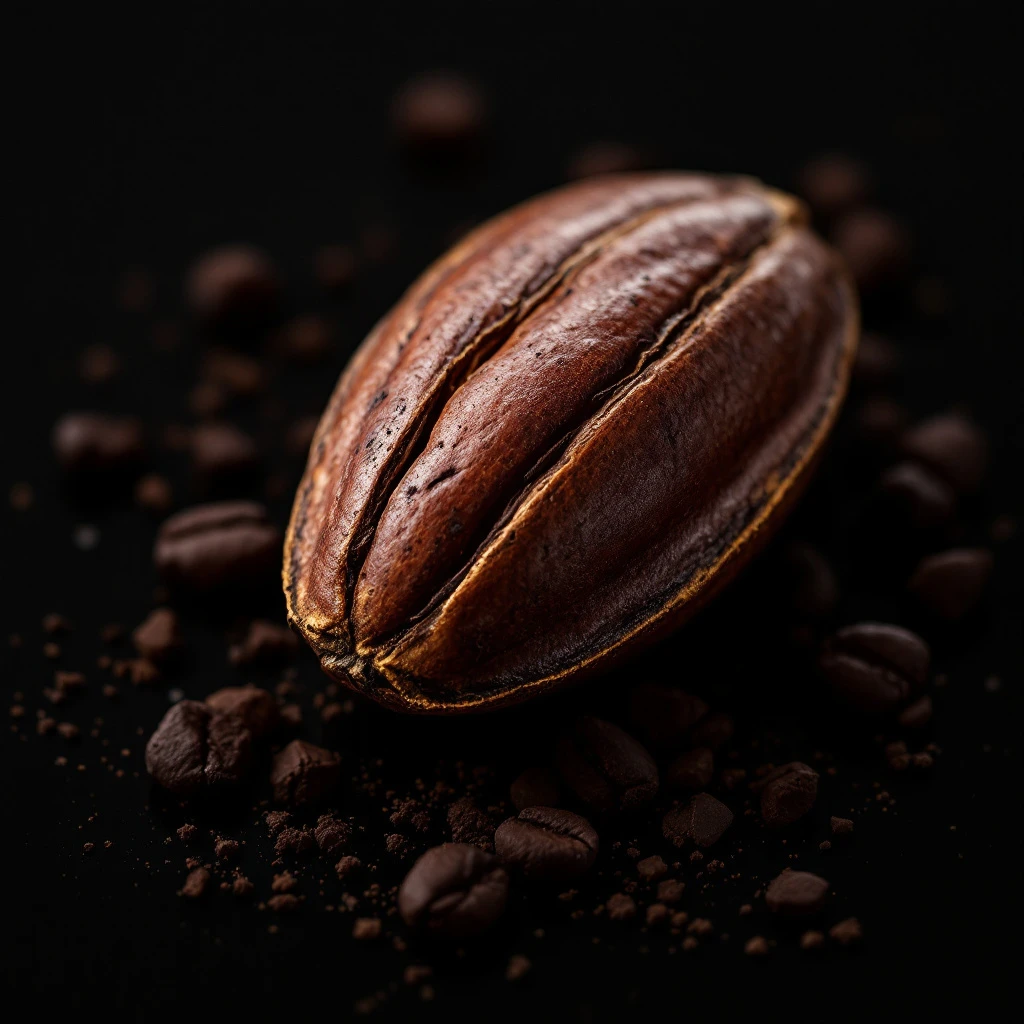
Character
How it smells
Dark cacao from criollo lineage
At its peak around 1800, Venezuela supplied nearly all of Europe's chocolate, producing roughly 20,000 tonnes of cocoa annually.




Origin
Venezuela
The Criollo cacao variety native to Venezuela has ancient roots. Mayan and Aztec civilizations first cultivated cacao trees for ceremonial purposes and as currency, valuing the beans far beyond their culinary use. When Spanish conquistadors encountered Venezuelan cacao in the 16th century, they introduced it to European courts where it rapidly became a luxury commodity reserved for aristocratic circles.
By 1800, Venezuela had become the world's dominant cocoa producer, supplying nearly all European demand with approximately 20,000 tonnes annually. This golden era declined during the 20th century due to economic and political upheaval, yet Venezuelan criollo cacao remains highly prized among chocolate connoisseurs and perfumers for its refined, complex flavor profile unmatched by higher-yield but less nuanced varieties.
Wears it best
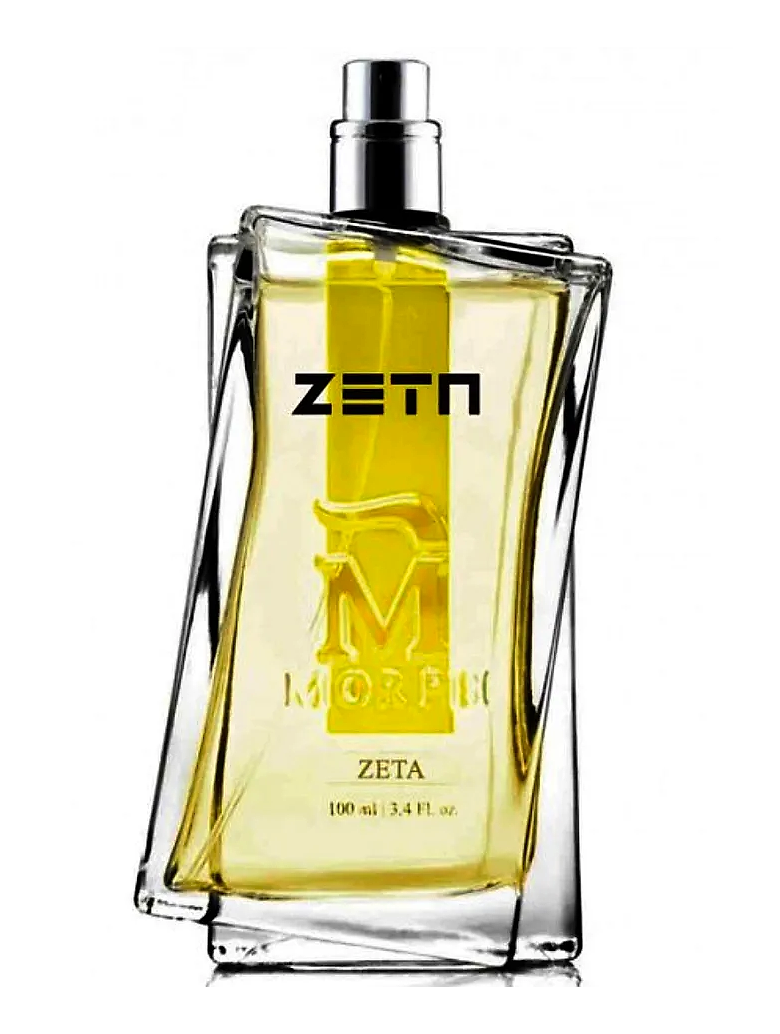
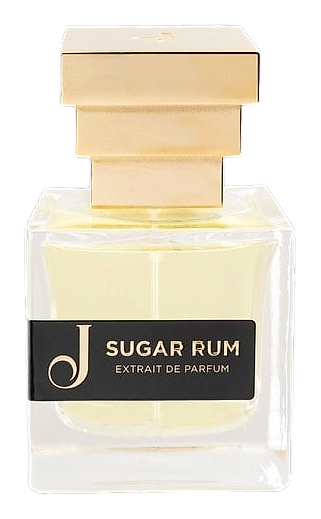
Fragrances featuring Venezuelan cocoa
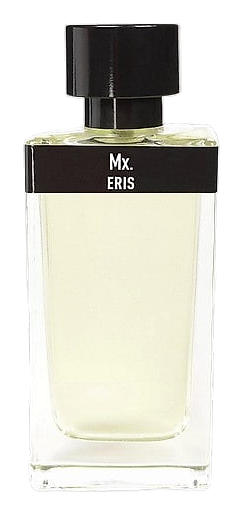
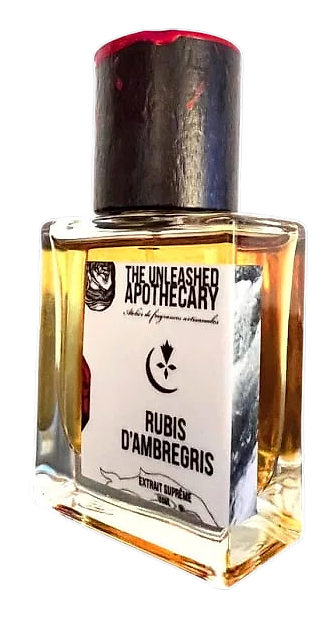
Brands
Brands known for Venezuelan cocoa
Good to know
Questions, answered
The essentials on Venezuelan cocoa in perfumery: how it smells, where it comes from, and how it behaves on skin.
What does Venezuelan cocoa smell like in perfume?
Venezuelan cocoa delivers a dark, velvety aroma that balances bitter and spicy notes with warm, inviting sweetness. It adds depth and sensuality to fragrance compositions, functioning as both a heart note and a base note depending on concentration.
Is Venezuelan cocoa used in men's or women's fragrances?
Venezuelan cocoa crosses gender boundaries in perfumery. It appears frequently in oriental fragrances marketed to both men and women, where its rich, gourmand character provides warmth and sensual depth regardless of target demographic.
How is cocoa absolute different from cocoa CO2 extract?
Cocoa absolute produced via solvent extraction yields a viscous, dark material with concentrated chocolate character. CO2 extract captures a purer, more complex aromatic profile with fewer residual solvents, often described as more faithful to the raw ingredient's scent.
Does Venezuelan cocoa contain allergens?
Cocoa itself is not a listed fragrance allergen. However, cocoa absolute may contain trace amounts from the solvent extraction process, which some individuals with sensitivity concerns should note when reviewing full ingredient disclosures.
What fragrance families commonly use Venezuelan cocoa?
Venezuelan cocoa appears primarily in oriental and gourmand fragrance families. Perfumers pair it with vanilla, tonka bean, amber, and woody notes to create warm, inviting compositions with dessert-like richness.
Can Venezuelan cocoa be synthesized or is it always natural?
Synthetic cocoa notes exist and replicate certain facets of cocoa's aroma profile. However, natural Venezuelan cocoa absolute captures a complexity that synthetics struggle to match, particularly the interplay between bitter, sweet, and smoky dimensions.
Why is Venezuelan cocoa considered premium in perfumery?
Venezuelan criollo cacao represents less than 5% of global cocoa production but commands premium pricing due to its refined flavor profile. The variety's lower bitterness and higher aromatic complexity translate into more nuanced fragrance applications.
How much cocoa absolute typically appears in a fragrance formulation?
Cocoa absolute functions as a modifier rather than a dominant note in most formulations. Perfumers typically use it at low concentrations, often below 5% of the concentrate, to add depth and sensuality without overwhelming other ingredients.