The Story
Why it exists.
The beginning
The name Antigua Bay evokes distant coastlines and open water. Morph tasked perfumer Arturetto Landi with creating a marine fragrance that steps beyond the ordinary aquatic template. The composition opens with bright bergamot and sharp black pepper, their citrus and spice qualities setting an unexpected tone. Ozonic notes emerge with genuine depth, carrying an atmospheric weight that reads as storm rather than spa. White flowers arrive in the heart of the fragrance, their character grounded rather than delicate, sharing space with earthy patchouli that anchors the composition. The overall effect is a marine interpretation with actual presence rather than superficial freshness.
The marine accord in this composition diverges from conventional approaches. The ozonic elements carry substantive weight rather than functioning as a light, fleeting background element. There is an atmospheric quality to these notes that suggests genuine weather rather than sterile cleanliness. Black pepper appears in the opening alongside other components, contributing an unexpected counterbalancing element. As the fragrance develops, white flowers emerge in the heart, not delicate or stereotypical in their presentation, but grounded by the presence of patchouli's earthiness.
The evolution
The opening arrives quickly, with bergamot and black pepper announcing themselves within seconds, the marine note arriving not as a wave but as a presence. The bergamot reads sharp for the first minutes, then the ozonic quality takes over and the composition shifts into its middle phase. This is where the white flowers arrive, and they are not the stereotypical floral here, they are ozonic flowers, slightly mineral, slightly cool, sharing space with patchouli that keeps everything honest. By the time the drydown establishes itself, vanilla and cedar and sandalwood create a warm, close configuration that does not project aggressively but lingers. The fragrance holds for hours on most skin types, with the sillage settling after the first hour. The next day, a faint trace of cedar and white musk remains on fabric, not the marine, but its aftermath.
Cultural impact
Marine notes have often been treated as simple background freshness in perfumery, understood as a note category that prioritizes cleanliness and accessibility over nuance. Antigua Bay offers an ozonic interpretation that resists this clean-and-fresh template entirely. Rather than providing easy, breezy freshness, the fragrance treats marine notes as a category with actual complexity and depth. The composition demonstrates what becomes possible when ozonic elements are developed with mineral weight and atmospheric presence rather than dismissed as mere filler.
The House
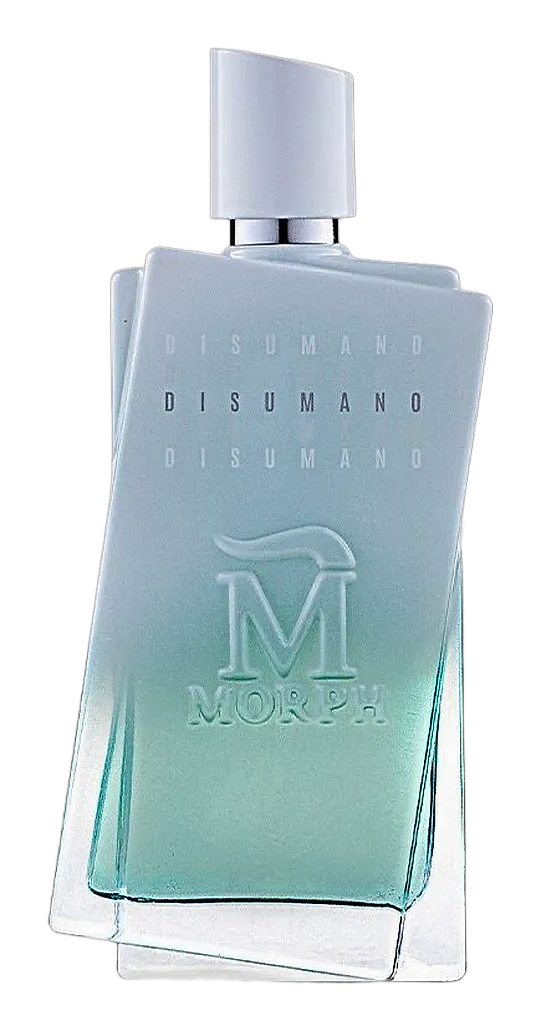
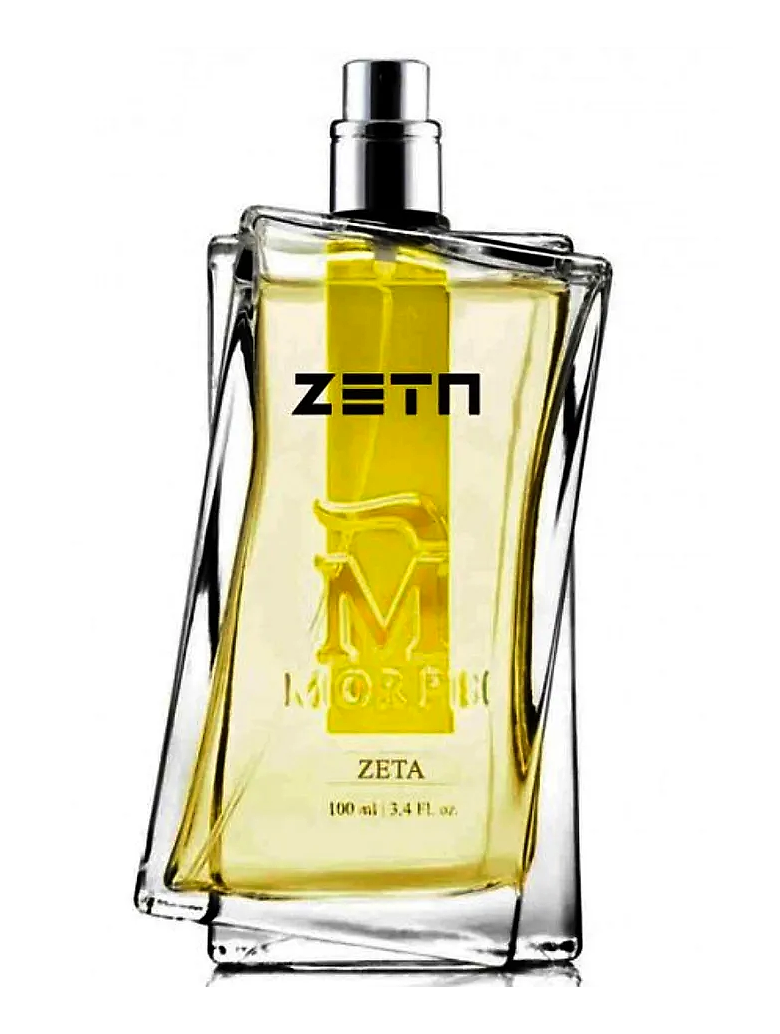
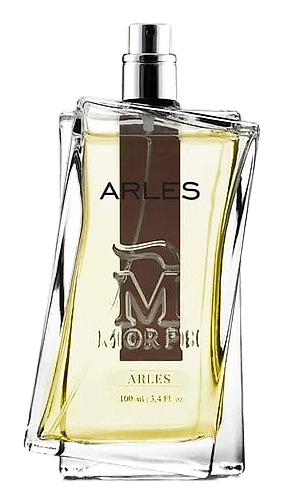
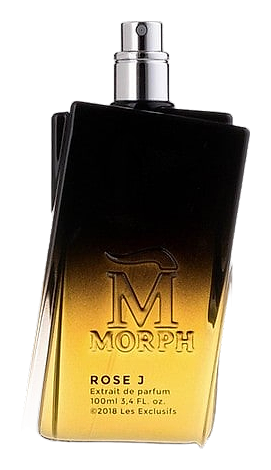
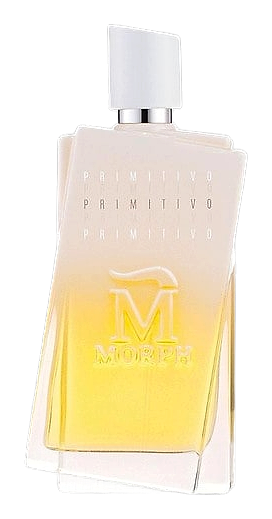
MorphMorph is an Italian niche fragrance house from Naples, built around the concept of transformation through scent. The brand operates with reportedly high perfume extract concentrations around 35%, setting it apart from conventional fragrance houses. Morph describes its collections as wearable art, each fragrance designed to function as a catalyst for personal change rather than simply a pleasant smell. The house has no formally credited perfumers across its releases, suggesting a house-approach to composition where identity flows from the brand rather than individual creators. Notable fragrances span years from 2016 onward, including Vision, Axum, Zeta, Rose J., Disumano, Antigua Bay (2023), and Gate 17 (2024). The brand maintains a distinct identity rooted in Italian tradition while pursuing experimental territory.
The Creator
Arturetto LandiLandi favors a clean, linear construction that highlights a single theme before introducing supporting layers. He often begins with a bright top—Italian bergamot, Sicilian lemon, or Calabrian orange—then anchors the heart with aromatic herbs or soft florals.