
The Story
Why it exists.
The beginning
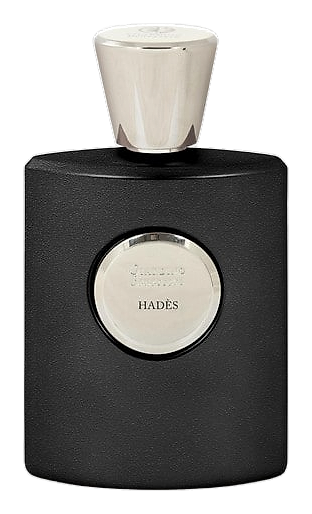
Hades takes its name from the ruler of the Greek underworld, the elder brother of Zeus and Poseidon, lord of the dead, keeper of the realm beneath the earth. But mythology rarely stays simple. His wife Persephone, daughter of Demeter, spent half the year in those dark depths, and her return brought spring. The underworld, it turns out, grows things. The marine and mineral notes arrive first, saltwater, seaweed, the cold lift of myrtle, then the warmth arrives uninvited: vanilla, coffee, neroli. The rose doesn't bloom at the top. It accumulates. It earns its place as the heart deepens, as the salt stays, as the cedar and geranium take over from the initial brightness. The underworld was never just darkness. It was a garden waiting to be found.
What makes Hades structurally unusual is its refusal to separate fresh from warm. Most fragrances draw a line: aquatic openers close off into woods, or citrus gives way to spice. Hades doesn't close anything off. The marine and the vanilla arrive together. The salt stays through the heart, not a fleeting effect but a persistent counterweight to the florals. That myrtle-grapefruit opening is technically a top note, but it functions more like a prologue: the real story begins when Bulgarian rose and Egyptian geranium arrive alongside Italian sea salt, and the composition stops pretending it's not warm.
The evolution
The opening hits like surf over stone. Myrtle and grapefruit arrive bright and cold, immediately joined by vanilla and Peruvian coffee, an unexpected warmth that shouldn't work at this stage but does. The saltwater effect isn't literal, but it's present: a mineral quality that cuts through the sweetness of the vanilla and keeps the top notes honest. Within twenty minutes, the citrus fades and the heart takes over. Bulgarian rose and geranium arrive together, and the salt doesn't leave, it frames the florals, keeps them from becoming soft. Cedar and thyme arrive quietly, adding herbal structure beneath the rose. The heart lasts three to four hours on most skin types. The drydown is where Hades earns its name. Oakmoss arrives first, then Singapore patchouli, earthy, dark, the smell of forest floor rather than forest canopy. Benzoin and Turkish caramel add a faint sweetness that never quite surfaces, held down by the moss and musk. The base lasts another four to five hours.
Cultural impact
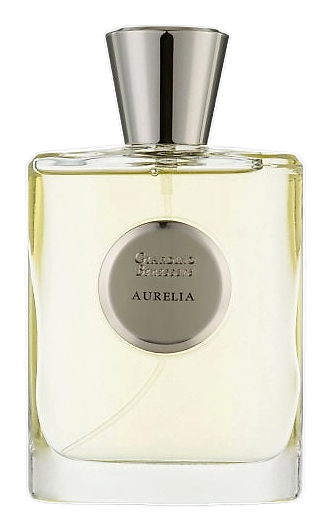
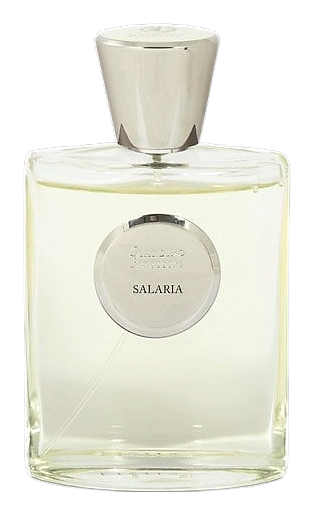
Hades arrived in 2023 as part of Giardino Benessere's Titani collection, named for the Greek god of the underworld, and it invites us to reconsider what aquatic fragrances can be. Rather than the ozonic-clean aquatic trend, Hades offers a marine-fresh opening grounded in salt and seaweed. The fragrance's marine-to-moss structure echoes the classical chypre tradition, updating it with contemporary green and aquatic accords while keeping the oakmoss foundation that defines the genre's heritage.