
The Story
Why it exists.
The beginning
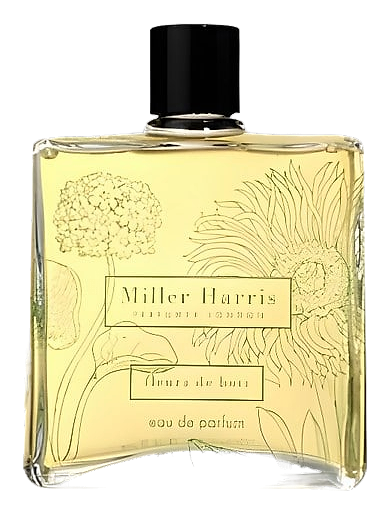
Fleurs de Bois arrived in March 2009 as Miller Harris explored the territory where green becomes wood becomes sky. The name is literal, flowers of the forest, the kind that grow quietly beneath the canopy rather than announcing themselves in open fields. The fragrance was conceived as a morning forest, with dew still clinging to leaves and the first pale light filtering through branches. There is a deliberate restraint in the composition, a preference for suggestion over declaration, the scent of something found rather than announced. The woods here are not imposing cathedral pines but the softer, more intimate trees of a working forest, where wildflowers persist in the understory and the air carries moisture and green life.
The inverted structure of Fleurs de Bois is what makes it interesting. Rather than the expected progression from bright, accessible top notes toward a woody foundation, this fragrance begins where most compositions end. Birch, vetiver, and the grassy-green chill of galbanum establish the woods first, grounding the wearer in the forest floor before any floral character emerges. The perfumer worked from the base of the pyramid upward, establishing a deep, atmospheric foundation of tree bark and earth that supports everything that follows.
The evolution
The opening is cool and intimate, birch and rosemary give it a chilly, almost dewy quality. Galbanum and green lemon moisten the air without brightening it. This is not a sunshine opening. It reads as early morning, the hour before the forest floor warms. Within the first thirty minutes, the heart begins to emerge. Myrrh arrives with its high, clear resinous tone, almost medicinal in its clarity. Iris whispers alongside it, direct but quiet, a note that announces rather than performs. The transition is smooth but notable: the chewy, woody character that most fragrances would place in the base is doing top-note work here. By the second hour, jasmine and rose have slipped through. They don't dominate. They add a softness to the green-woody architecture, a suggestion of bloom rather than a statement of it. The myrrh remains, tying the layers together, preventing the fragrance from feeling like it has fully left its opening behind. The drydown is where the oakmoss shows its hand.
Cultural impact
Fleurs de Bois occupies a particular corner of Miller Harris's output: green-woody, quietly composed, asking something of its wearer. The fragrance appeals to those who prefer to be discovered rather than noticed, who appreciate complexity that reveals itself gradually rather than announcing itself immediately. There is an almost literary quality to the composition, a sense of narrative unfolding across the wear, of chapters opening and closing as the scent moves through its phases. The fragrance asks for attention, for patience, for an interest in what happens when a forest wakes up and the light begins to change.