The Story
Why it exists.
The beginning
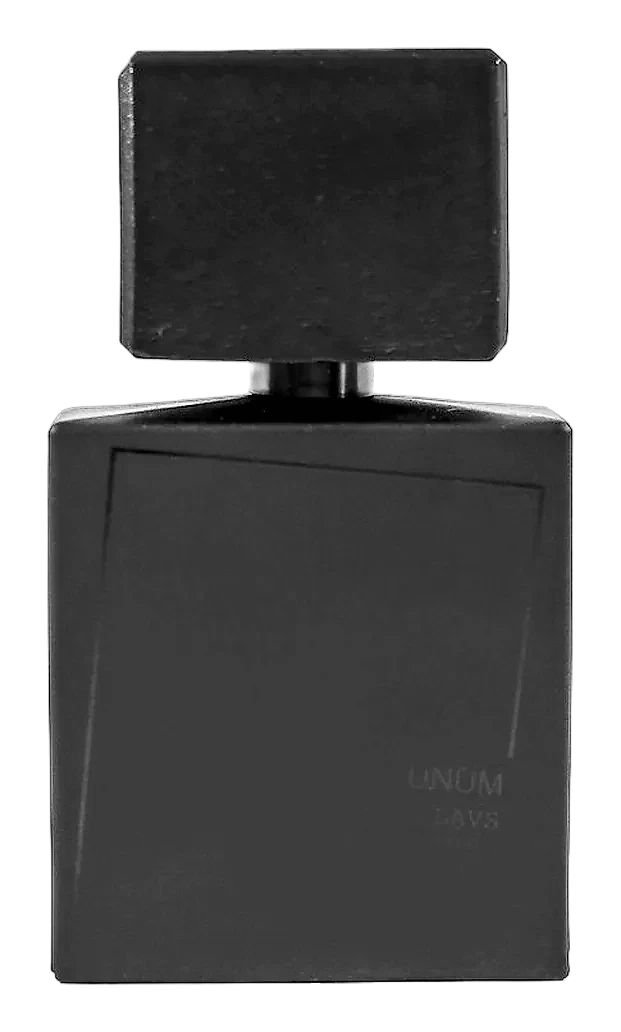
Giuseppe Imprezzabile has always treated fragrance as personal archaeology, each release a diary entry that maps emotional territory rather than seasonal trends. Buio, the Italian word for darkness, draws from the perfumer's Sicilian roots where the night carries its own cultural weight. The fragrance does not try to replicate darkness in a literal sense. Instead, it translates the sensation, the hush that settles when light retreats and other senses become more acute. Imprezzabile has spoken about how certain smells carry the memory of places that exist only in the dark, and that idea informs Buio's construction from the first note to the last.
The note choices reflect an intention to build contrast within darkness itself. Cade oil and leather represent the weight of shadow while magnolia and osmanthus represent the way darkness can reveal hidden beauty. Imprezzabile has described how certain floral notes smell different at night, how osmanthus in particular takes on a more intimate, almost clandestine character when there is less light to compete with. The composition plays with that idea, letting the floral heart emerge as the sharper edges of the opening soften. Pairing choices naturally lean toward other dark, resinous fragrances or those with a strong woodyDrydown.
The evolution
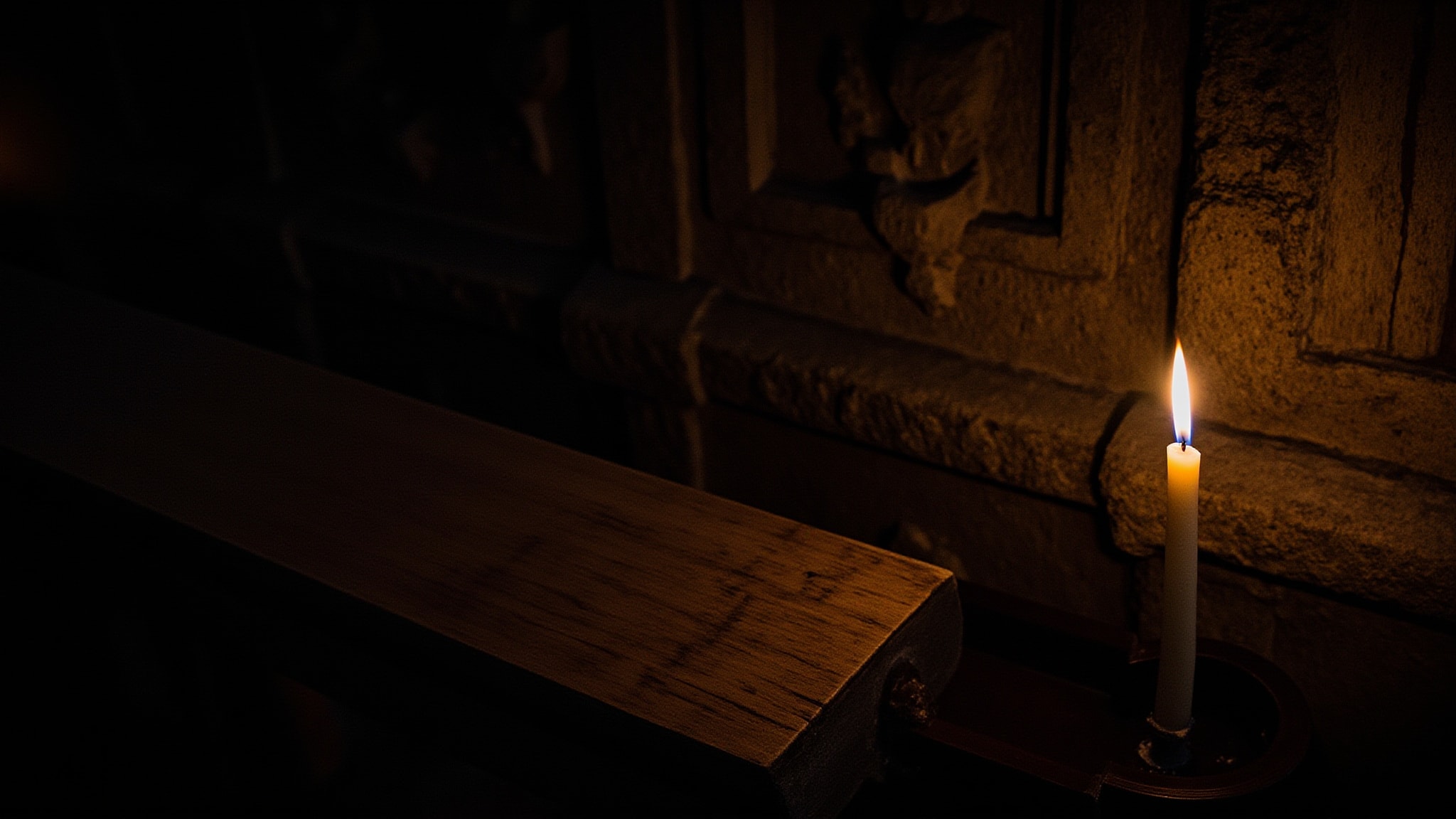
The journey begins with cade oil, a smoky, tar-like material that immediately communicates shadow and weight. Frankincense adds a sacred dimension, as if the wearer is moving through a space that holds ritual significance. Carrot seed provides an unexpected startle, a green, seed-like freshness that keeps the opening from becoming oppressive. As time passes, labdanum and amber emerge, shifting the mood from austere to warmly enveloping. Magnolia and osmanthus soften the amber core with a delicate floral presence that feels like a candle catching in a dim room. Geranium and peony add a quiet rosy quality that prevents the heart from becoming purely resinous. The drydown introduces cedarwood and leather, materials that suggest old furniture in an unlit room, and patchouli grounds the finish with an earthy richness that connects to the darker opening notes. Sandalwood and vetiver create a woody, slightly creamy drydown while musk lingers as a final, intimate impression.
Cultural impact
Wearers describe it as the scent of someone who walks into a room and doesn't need to announce themselves. The smoky, cade-heavy character draws those tired of conventional woody fragrances. It's become a point of discussion in niche fragrance communities for its demanding opening, the kind of scent that either hooks you immediately or requires a second wearing to appreciate. The osmanthus heart has emerged as a frequent highlight in longer reviews, drawing comparisons to more established niche houses working in similar dark-woody territory.