The Story
Why it exists.
The beginning
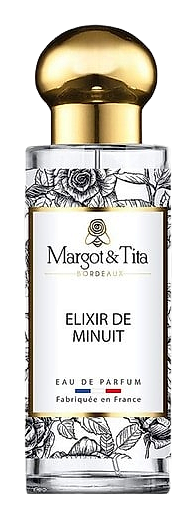
There is a particular hour of the night that doesn't belong to anyone. Past the last toast, past the playlist winding down, when the room empties and only the warmth remains. Elixir de Minuit is named for exactly that. It's a portrait of midnight composed as an oriental Eau de Parfum, one that wears like a second skin rather than announcing itself from across the room. The composition reads as both intimate and deliberate, holding its character without leaning on the heavy sweetness that orients the style toward the syrupy end of the spectrum. Midnight here isn't a concept; it's a feeling the juice translates directly into scent. There's something instinctive about how the perfume behaves, the way it holds close to the skin's own temperature and lets the wearer carry it quietly.
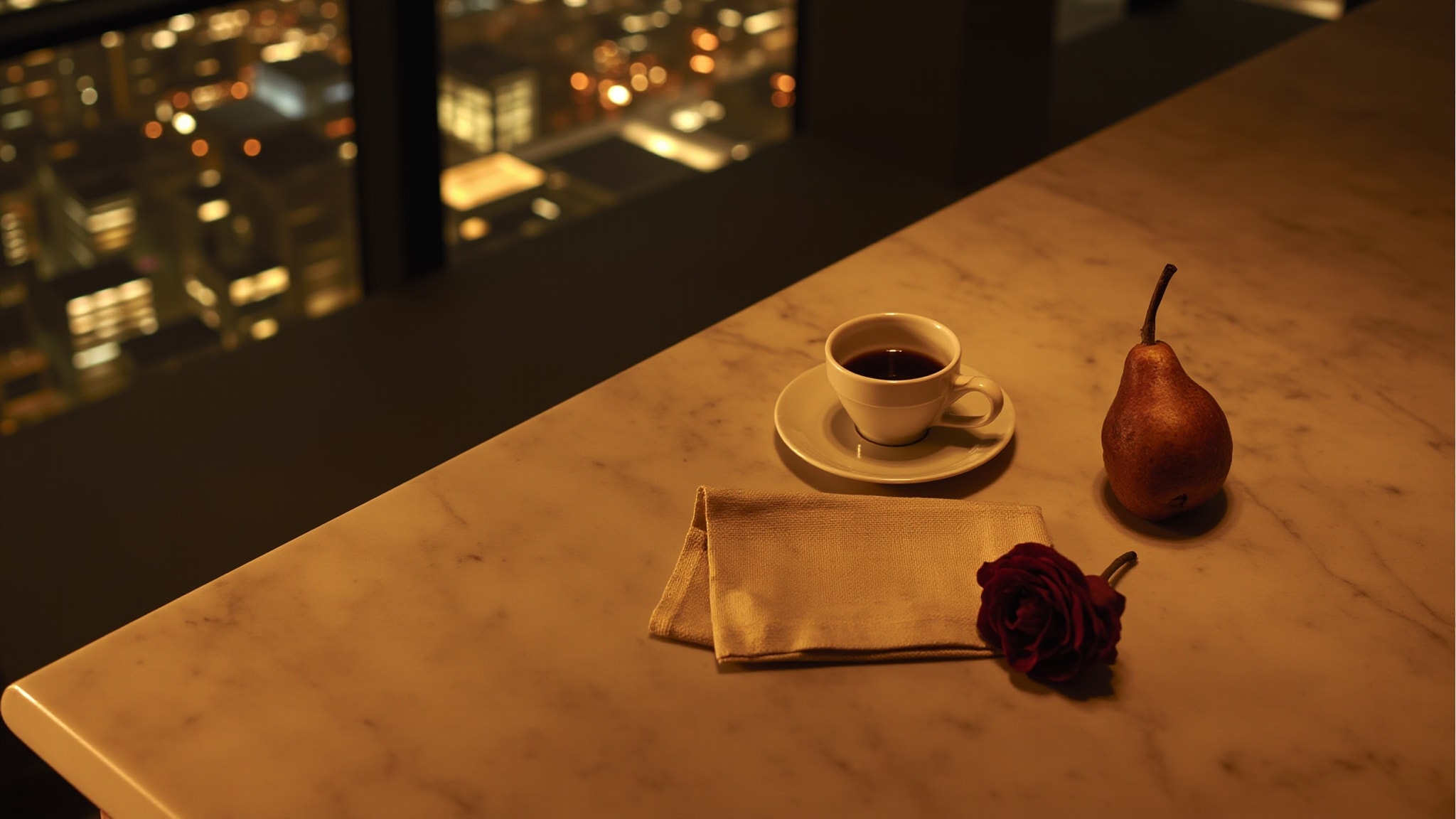
Pear opens things up before the warmth moves in, keeping the composition lifted rather than syrupy, a choice that defines the entire architecture. Then the real conversation begins, as a thread of brewed coffee cuts through the florals like a friend who says the honest thing. The pear behaves almost like a green garnish at first, bright and brief, before handing things off to the midnotes where the perfume earns its seriousness. Jasmine cradles the coffee rather than competing with it, smoothing what could read as a sharp or bitter accent into something suspended and considered.
The evolution
The first 15 minutes are fruit and flower, almost buoyant, as pear and mandarin lift the rose and peony above the skin. The opening feels airy and considered, like cool air drawn through an open window before the warmth of the room registers, and the florals flicker rather than blooming in any conventional sense. Then things change. The coffee arrives earlier than expected, lending a roasted, slightly bitter sweetness that interrupts the fruit before it gets too pretty. There's an honesty to the way the coffee note presents, the kind that feels both familiar and surprising in an oriental context. Jasmine hums underneath, but the solar note does the structural work, lending a warmth that reads as light, not heat, a distinction this fragrance handles with real elegance.
Cultural impact
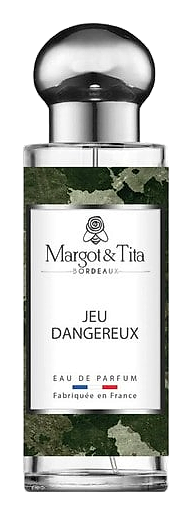
Elixir de Minuit sits in the same warm-oriental lane as Black Opium by Yves Saint Laurent, a comparison reviewers have raised. The difference is restraint: the Margot&Tita composition pulls back the sugar and lets pear and coffee carry the conversation, giving it a quieter register than the heavier gourmands it echoes. Where Black Opium leans into syrup and gourmand density, Elixir de Minuit keeps its sweetness in check, letting the coffee lead and the florals soften the edges. The result reads as a scent with its own center of gravity, one that builds its mood around the notes rather than around the sweetness of the whole.