The Story
Why it exists.
The beginning
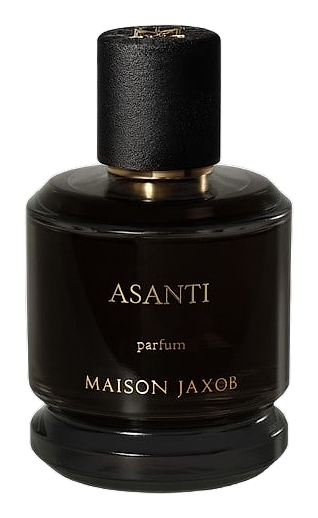
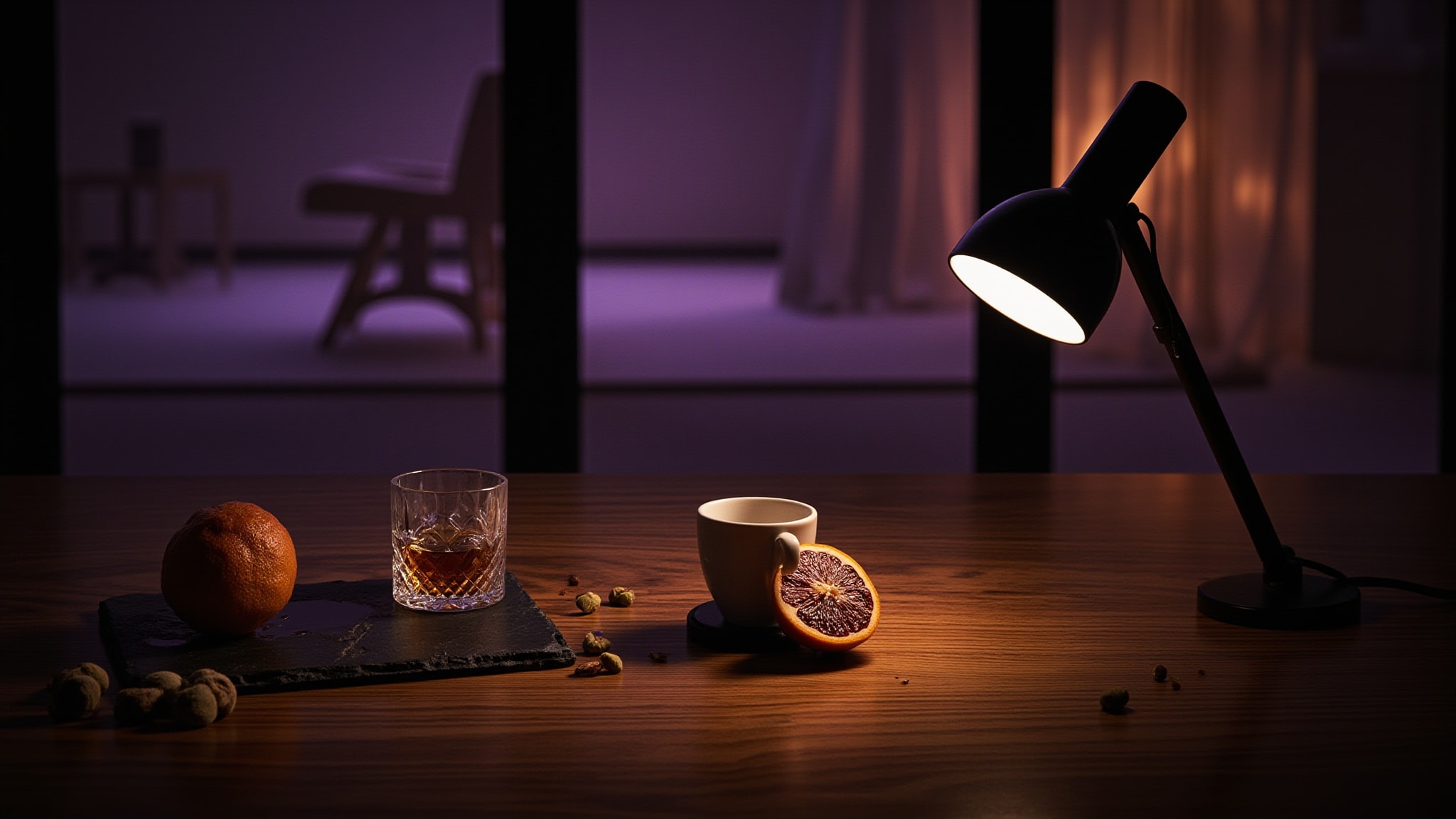
Asanti arrived in 2017, composed by Jacob Chimoni. Sangria, cardamom, apple, clove, and blood orange open a composition that wastes no time reaching for the bottle of dark rum. There's no bright citrus moment here. No pause to admire the view. The spiced-warm lane was the point from the start. The sangria accord reads from the first spray, wine-dark and slightly fermented, layered against the tart snap of blood orange peel. Apple softens the edges, giving the opening a fleshy, ripe quality that keeps it from feeling like a straight spice bomb. Cardamom lifts the whole thing with a cool, almost mentholated brightness, the kind that prickles the back of the throat. Clove sits deeper, bringing a woody warmth that grounds the fruit before the rum even arrives.
The sangria and coconut rum pairing sits alongside a genuine roasted coffee bean note, and that combination shapes everything around it. The cardamom does the bright work upfront, catching the light against the dark fruit and the clove. Clove builds shadow underneath, turning what could have been a bright fruit-spice accord into something weightier, more resinous. Then the coffee arrives, not as an accent, as a structural element, bitter enough to keep the caramel honest.
The evolution
The first hour belongs to spice. Cardamom, clove, blood orange peel, and that sangria accord hit fast, layered, almost like a mulled wine that hasn't fully cooled. The sweetness shows up around minute twenty, vanilla and caramel sliding in underneath the spice. Then the coconut rum lands, noticeable, boozy, the kind of warmth that reads on a cold day. Coffee arrives at the two-hour mark, darker than expected, pulling the composition away from the dessert shelf. It gives the caramel a bitter edge, almost espresso-like in its intensity, and the coconut rum takes on a toasted quality rather than a sweet one. The myrrh deepens alongside it, adding a resinous hum that softens the coffee's sharpest edges without burying them. By hour four, the spiced-fruity opening has faded entirely. What remains is a low hum of myrrh, patchouli absolute, and oud, sweet but grounded, warm but not heavy.
Cultural impact
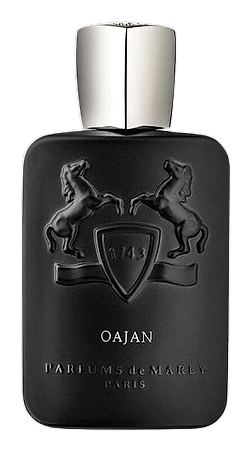
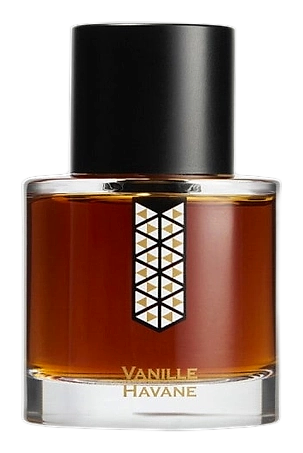
Asanti brings together a sangria accord, coconut rum, and roasted coffee bean, a combination that draws from the spiced-oriental tradition while pulling toward gourmand territory. Its pairing of Oajan from Parfums de Marly and Vanille Havane from Les Indemodables shares that spiced-warm DNA, and Asanti sits comfortably alongside them for anyone drawn to that profile. The fragrance projects without shouting, leaves a trace without filling a room, and wears close enough to the skin to feel personal.
The House
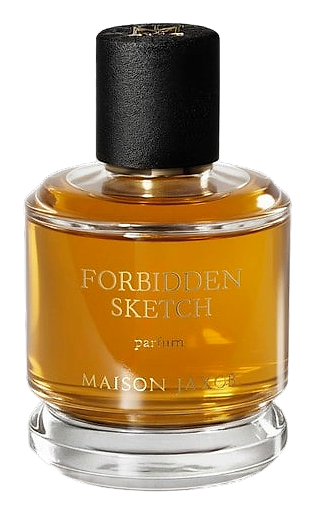
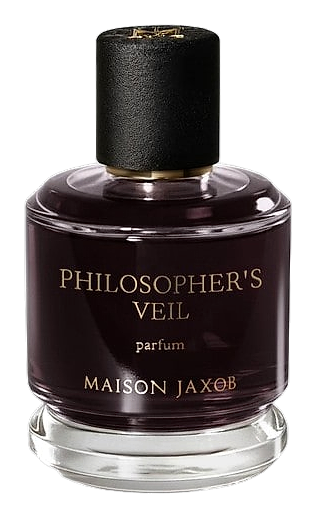
Maison JaxobMaison Jaxob positions itself as an independent artisanal perfume house that builds each scent by hand and at a measured pace. The brand’s public voice stresses memory over spectacle, noting that the creator “never created perfumes to be seen, [but] to remember.” Its catalogue, launched in the mid‑2010s, includes dark‑toned compositions such as Forbidden Sketch (2017) and the recent Philosopher’s Veil (2024). The house shares its work through social channels, where followers encounter raw, unfiltered narratives about the creative process. By focusing on material density and a hands‑on approach, Maison Jaxob appeals to collectors who value depth and personal resonance in fragrance.
The Creator
Jacob ChimoniJacob’s signature technique relies on hand‑blending micro‑quantities of rare absolutes with modern synthetics. He favors spices that bite—cardamom, pink pepper, black pepper—paired with lush florals such as Turkish rose and Bulgarian lavender.