The Story
Why it exists.
The beginning
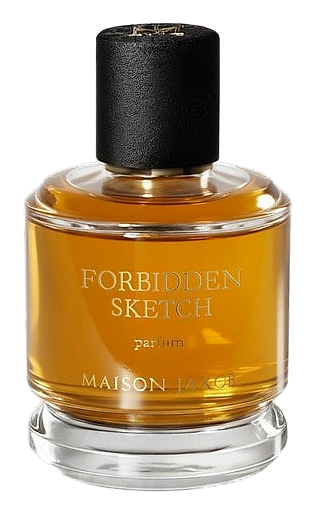
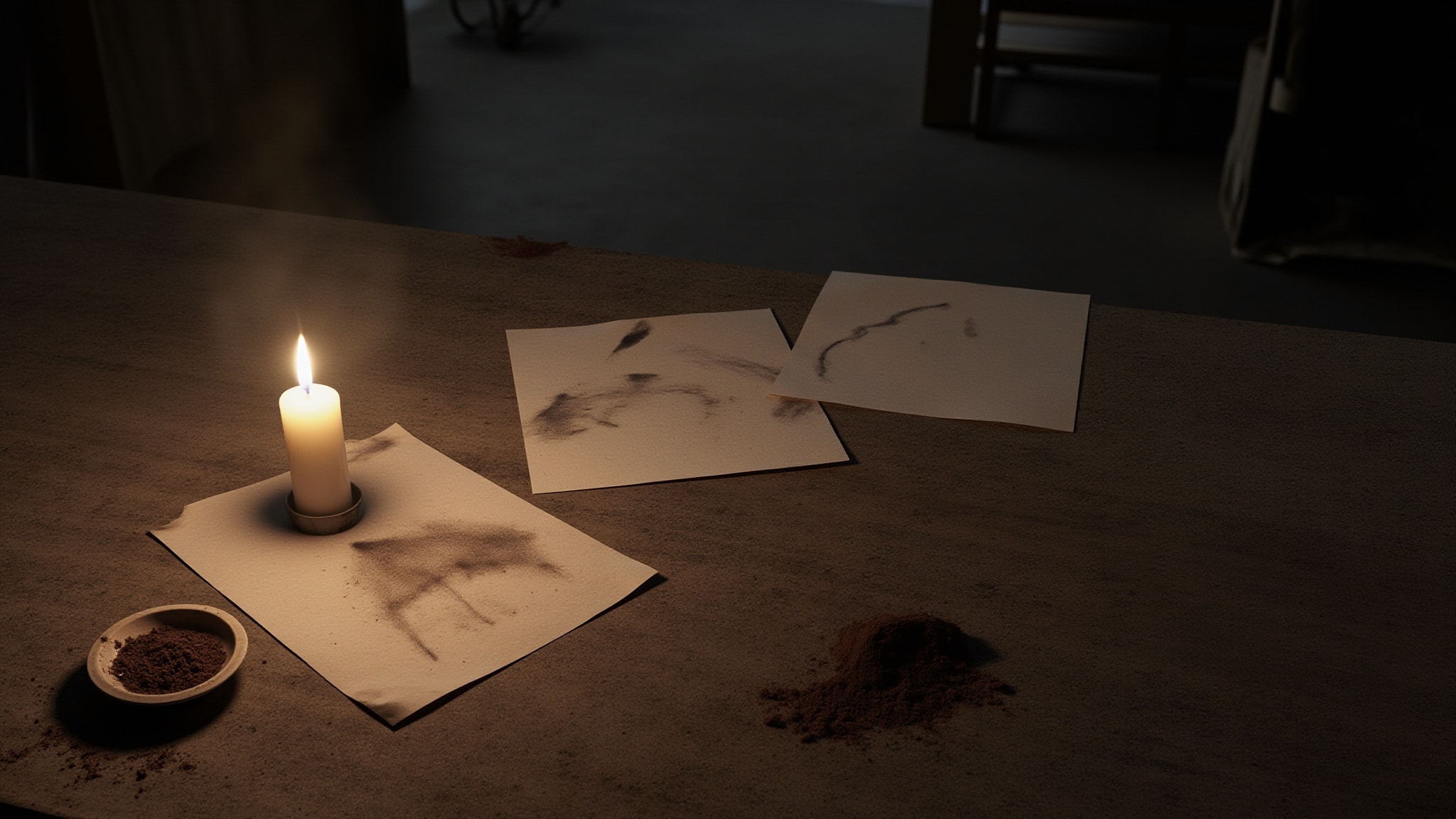
Forbidden Sketch came from a question Jacob Chimoni kept returning to: what if iris was treated like a memory rather than a note? Not the powdery iris everyone expects, but something rawer, less polished. The answer lives in that praline-vanilla heart, warmed by myrrh, held down by cocoa and vetiver that keep the whole thing close to the skin. The 2017 release marked one of the first times Maison Jaxob worked with Moroccan orris butter at this concentration, building the heart around its irones rather than around it.
Iris at 13% irones is not a supporting actor. It's the stage. Moroccan orris butter carries a waxy, buttery quality that most iris accords flatten out, Chimoni leaned into it. Around that buttery core, praline and vanilla pod add sweetness without softness. Myrrh resin pushes warmth into the background without fogging the iris. The result is an iris that smells like the actual root, not like face powder. Cocoa powder in the base is the quiet subversion: dark, dry, and powdery all at once, which means the drydown doesn't smell like dessert. It smells like something worn.
The evolution
The opening arrives clean and bright. Pink pepper opens sharp, olibanum follows with its dry incense smoke. For the first thirty minutes, this reads like a straightforward spicy-woodsy fragrance. Then the iris takes over and the whole character shifts. It becomes buttery, slightly waxy, with praline sweetness and myrrh warmth underneath. Vanilla pods appear as it develops, but they don't dominate. The iris stays through the heart, which runs roughly two to four hours on most skin. Then the cocoa powder emerges as the base resolves. Not chocolate, cocoa dust, powder, the smell of the inside of a dark envelope. Vetiver and patchouli keep it grounded and intimate. The sillage doesn't bloom outward. It stays close. The next morning, there's a faint trace on fabric, dry, slightly sweet, still recognizable.
Cultural impact
Forbidden Sketch arrived in 2017 as part of Maison Jaxob's broader mission to produce fragrances built on rare raw materials and emotional recall rather than commercial appeal. At a time when niche fragrance was still carving out space between luxury fashion brands and mass-market offerings, compositions like this one helped define what serious fragrance culture could look like outside the major houses. The 32% parfum concentration itself reads as a statement, a refusal to dilute for commercial viability. Within iris-forward fragrance circles, the cocoa powder drydown became a reference point for how unconventional base materials could anchor a floral heart without tipping into gourmand territory.