Jacob Chimoni
Jacob Chimoni grew up in a workshop scented with his father David’s amber accords, learning to weigh raw extracts before he could read a paragraph. After completing a formal apprenticeship at a Parisian fragrance house, he returned to his roots and launched Maison Jaxob in 2016. The boutique label quickly earned attention when Favourite Sin hit the market in 2018, pairing plum‑sharp cardamom with Turkish rose and a whisper of pepper. Critics praised the scent’s daring contrast, and the same year Afterimage followed, blending honey, myrrh, and pink pepper into a luminous, rum‑kissed veil. Those releases cemented Chimoni’s reputation as a perfumer who balances tradition with bold experimentation. Today he guides a small team of artisans, curates limited‑edition drops, and mentors emerging noses, all while keeping the studio’s doors open to curious collectors.
The hits
Notable creations
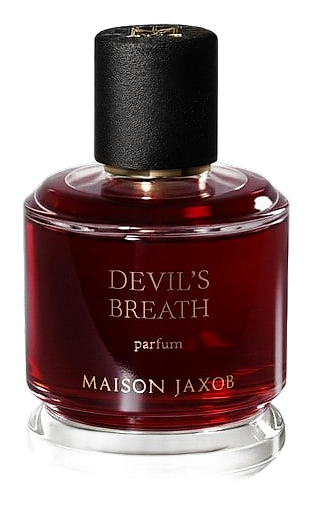
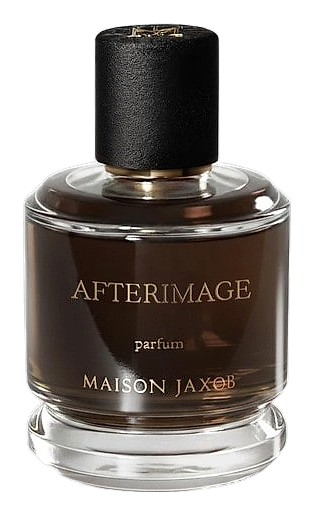
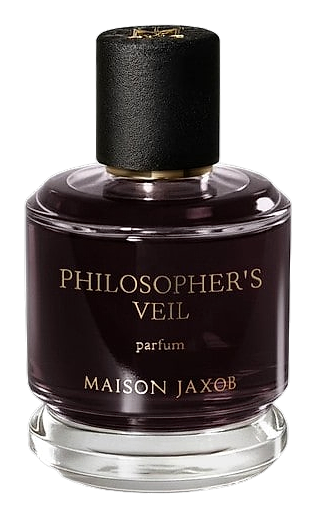
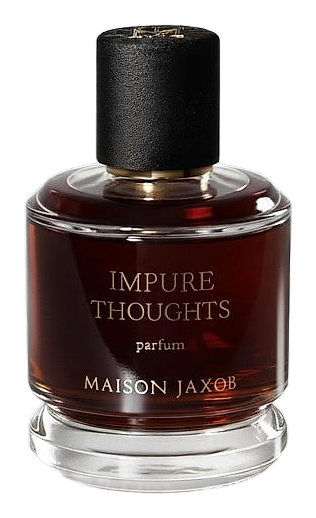
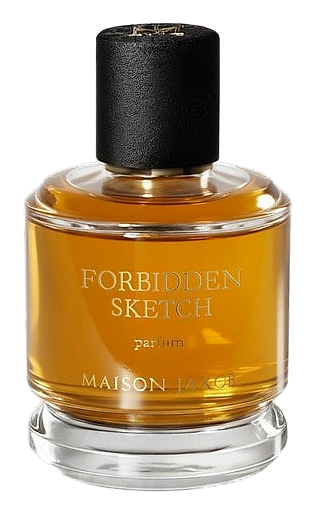
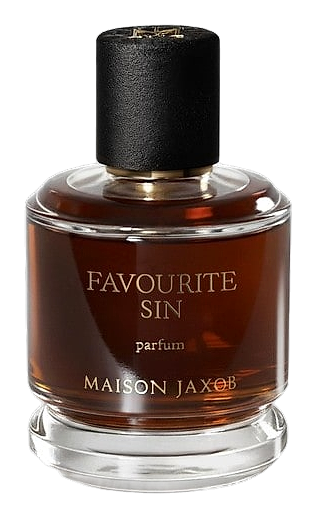
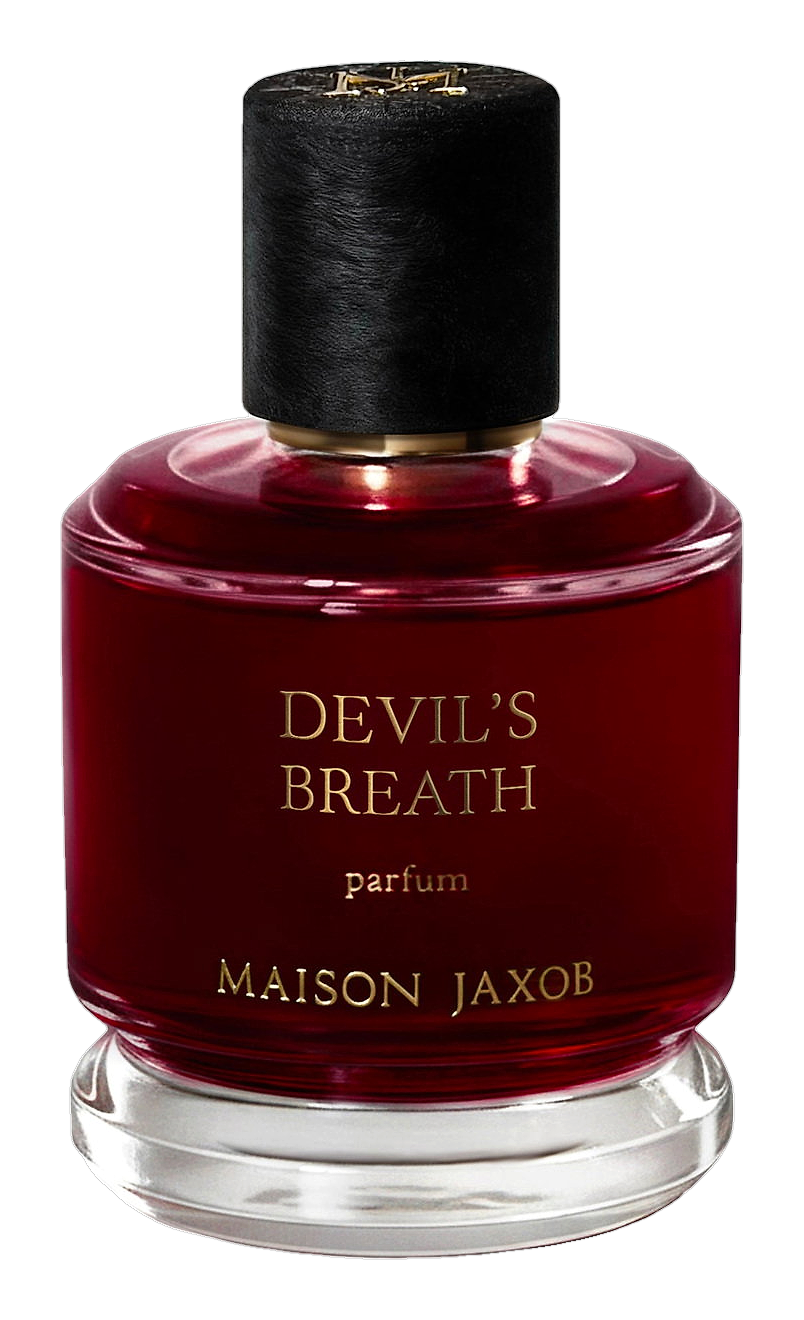
The signature
How Jacob composes
Jacob’s signature technique relies on hand‑blending micro‑quantities of rare absolutes with modern synthetics. He favors spices that bite—cardamom, pink pepper, black pepper—paired with lush florals such as Turkish rose and Bulgarian lavender. Gourmand accents appear in the form of honey, myrrh, and coconut rum, giving his work a warm, tactile quality. He often builds a scent around a bright top note, then layers a heart that evolves over the first hour, and finally anchors the composition with a resinous base that lingers for days. Small‑batch production lets him adjust each batch by ear, ensuring consistency while preserving the subtle shifts that make each release unique.
Philosophy
What drives Jacob
Jacob treats each bottle as a conversation between memory and material. He believes scent should provoke a visceral response, not merely linger on the skin. His process begins with a single emotion—joy, melancholy, rebellion—and he translates that feeling into a palette of ingredients that can be measured, yet remain alive. He respects the discipline of classic French perfumery, but he refuses to let rules dictate the final composition. Instead, he lets intuition guide the proportion of spice, floral, and gourmand elements until the perfume speaks its own truth. For Chimoni, the act of creation is both a ritual and a rebellion.
The houses