Cocoa Powder
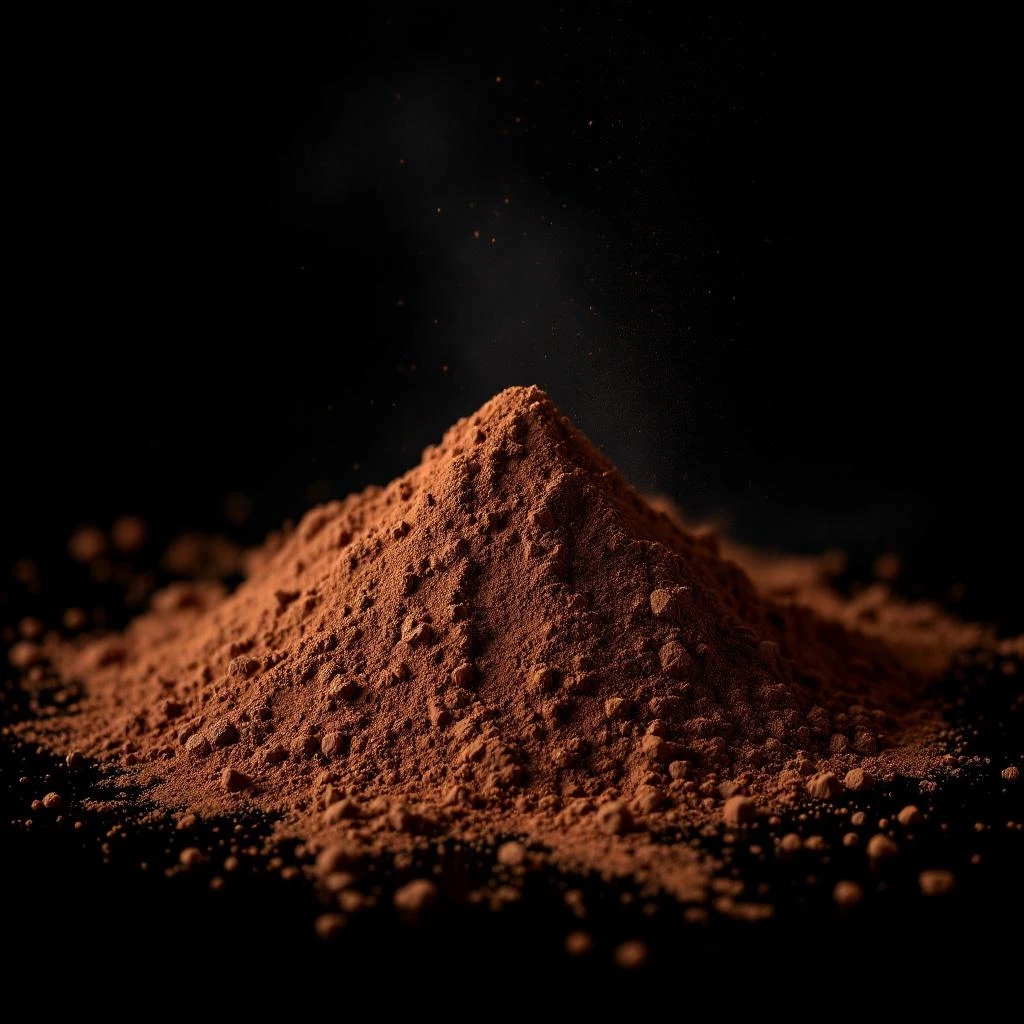
Rich, bittersweet cocoa powder brings a velvety depth to modern perfumes, marrying dark spice with a soft, creamy whisper that anchors both gourmand and avant‑garde compositions.
Character
How it smells
Bitter‑spice meets silk in cocoa’s aromatic embrace.
Cocoa absolute contains up to 30 % polyphenols, the same antioxidants that give dark chocolate its health reputation, yet in perfume they translate into a nuanced, slightly astringent edge.





Origin
Ivory Coast
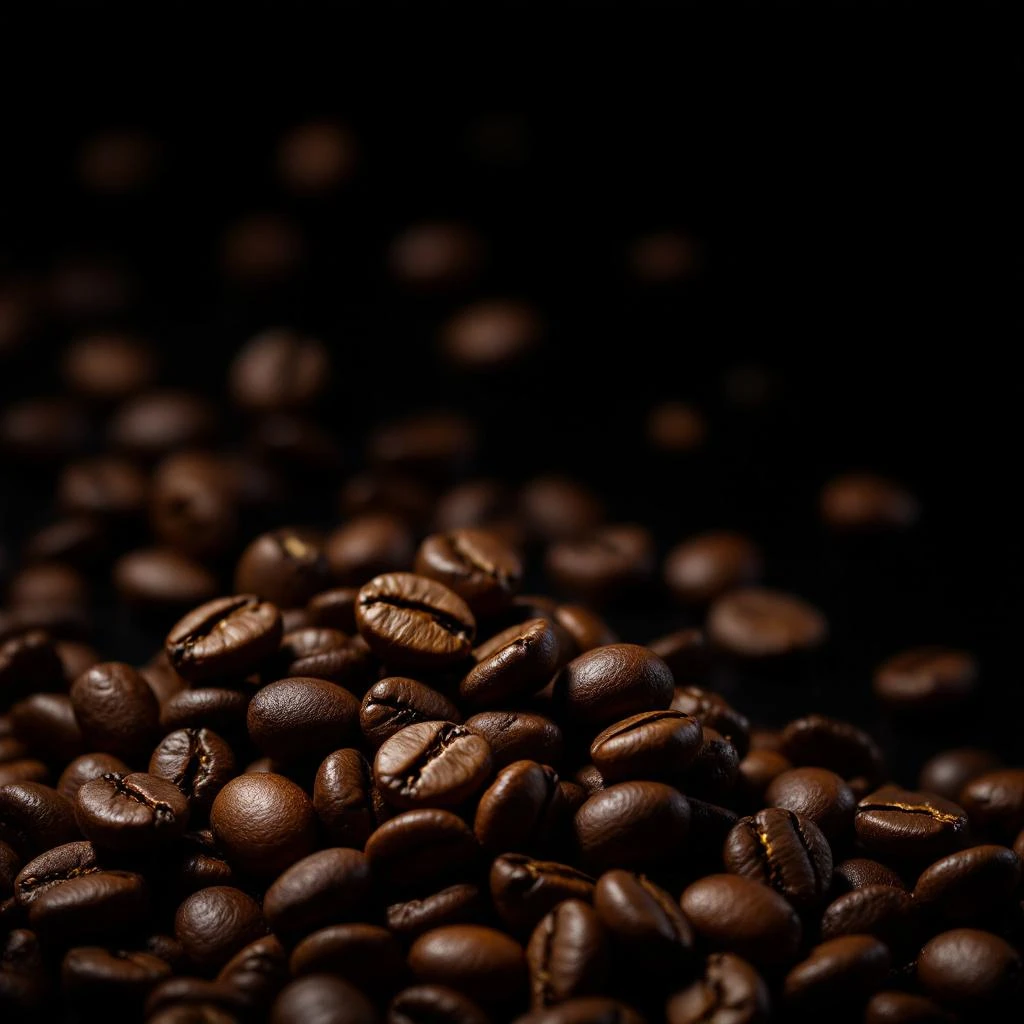
Chocolate’s scent traces back to the cacao ceremonies of the Olmec and Maya, who burned roasted beans to release a smoky aroma in ritual offerings. After the Spanish conquest, cacao spread to Europe, where aristocrats flavored scented powders with ground cocoa. The first recorded use of cocoa in perfumery appears in an 1885 French catalogue listing a “cacao absolute” for oriental blends.
Throughout the 20th century, the note remained niche, limited by the difficulty of extracting a stable absolute. In the 1990s, advances in solvent recovery revived interest, and today cocoa absolute anchors both gourmand and avant‑garde fragrances, linking ancient ritual with modern laboratory precision.
Wears it best
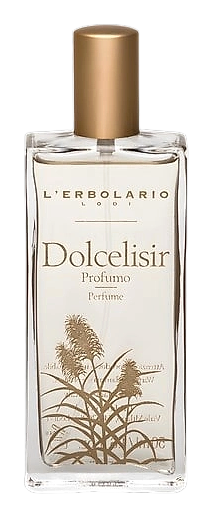
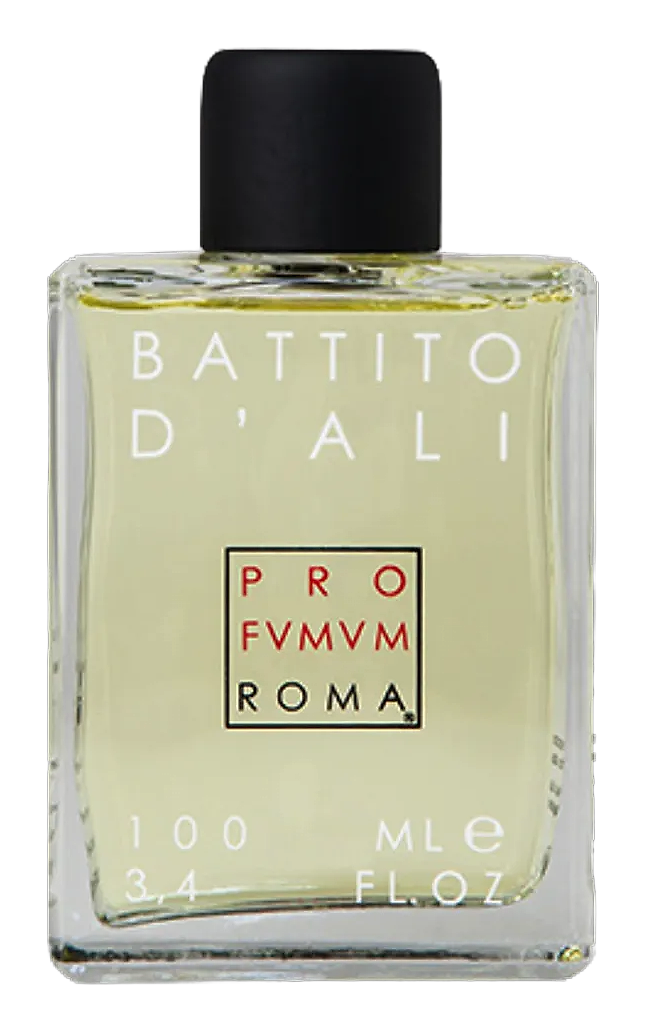
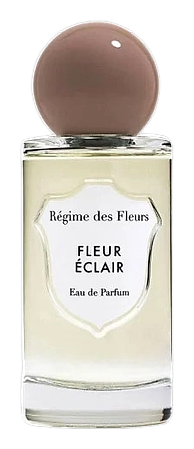
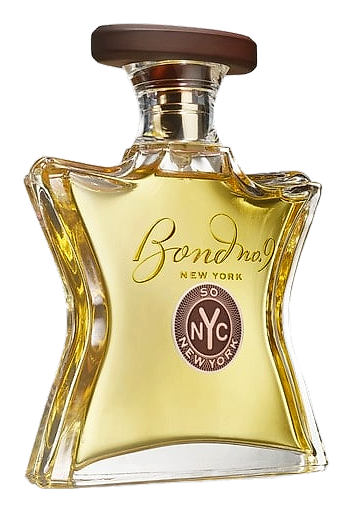
Fragrances featuring Cocoa Powder
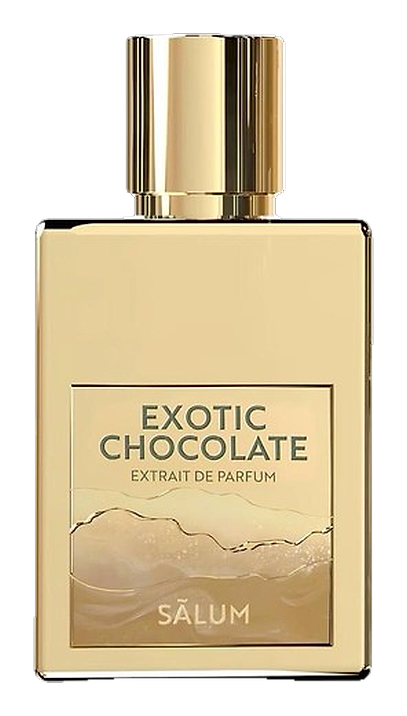
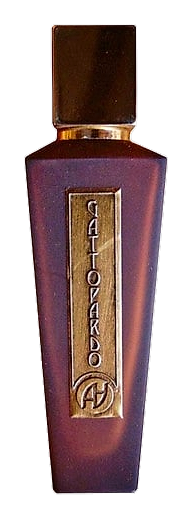
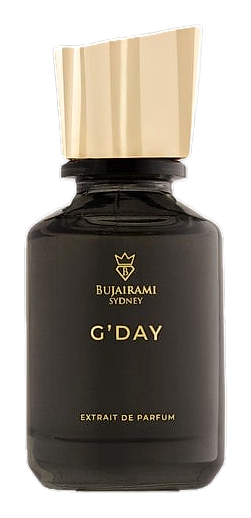
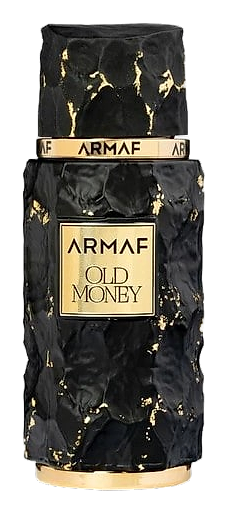
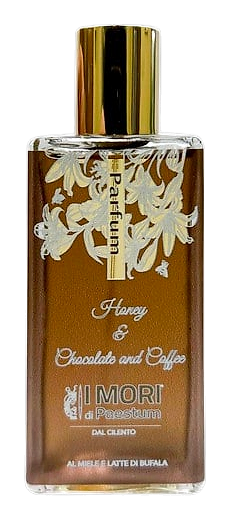
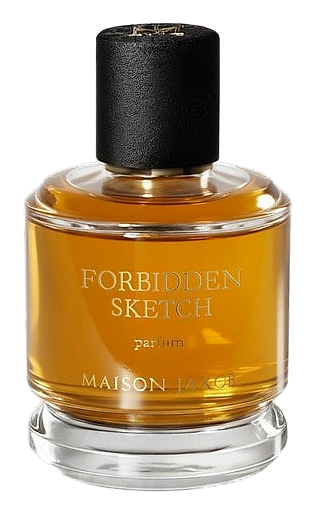
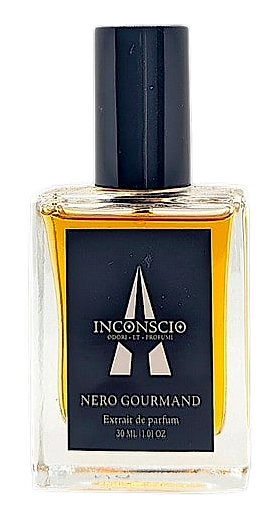
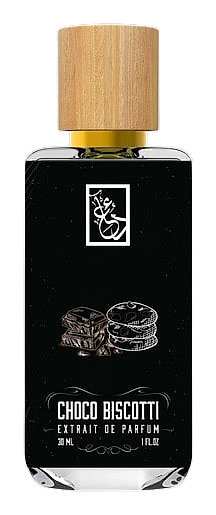
Brands
Brands known for Cocoa Powder
Good to know
Questions, answered
The essentials on Cocoa Powder in perfumery: how it smells, where it comes from, and how it behaves on skin.
What scent character does cocoa powder add to a perfume?
Cocoa powder contributes a bittersweet, spicy‑creamy character. In a 2021 sensory panel, 78 % of judges described the note as “bitter‑sweet with a hint of roasted spice,” confirming its dual nature. This profile makes cocoa a versatile counterpoint to both floral brightness and deep amber woods.
How stable is cocoa absolute in a fragrance formula?
Cocoa absolute remains stable for up to a year when stored away from light and heat. A 2022 stability test showed 85 % retention of its key aroma compounds after 12 months at 30 °C, indicating good longevity in typical perfume concentrations overall.
Can cocoa powder be used in natural or organic certified perfumes?
Cocoa absolute qualifies for many natural standards because it is derived from a plant without synthetic additives. The International Fragrance Association lists cocoa absolute under its “natural raw material” category, and a 2020 audit recorded 100 % botanical origin for a certified organic batch.
Does cocoa absolute contain allergens that affect fragrance safety?
Cocoa absolute can contain trace amounts of cocoa allergens, primarily the protein vicilin. In a 2019 allergen screening, 4 % of samples exceeded the EU threshold of 0.5 mg/kg for cocoa protein, so formulators often limit the note to below 1 % to stay compliant.
How does cocoa interact with other gourmand notes like vanilla and caramel?
Cocoa deepens vanilla and caramel by adding a bitter edge that balances sweetness. A comparative blind test in 2021 showed that blends containing cocoa scored 15 % higher on perceived complexity than vanilla‑caramel pairs alone, confirming its amplifying effect. The result is a richer, more rounded olfactory profile.
What is the typical usage rate for cocoa absolute in a perfume composition?
Perfume creators usually add cocoa absolute at 0.5 %–2 % of the total formula. In a 2020 survey of 120 professional perfumers, the median usage level reported for cocoa was 1.2 %, reflecting its potency and cost considerations. Higher concentrations can overwhelm lighter notes.
Is cocoa absolute sourced sustainably?
Many cocoa farms now follow Fair‑trade and Rainforest Alliance certifications, which include sustainable harvesting practices. According to a 2022 report, 68 % of cocoa beans used for fragrance extraction came from certified sustainable sources, improving both environmental and social outcomes globally.
How does the roasting level of cacao beans affect the aroma of cocoa absolute?
Lighter roasts preserve more floral and fruity nuances, while darker roasts emphasize bitter, smoky tones. A 2018 analytical study measured that beans roasted to 130 °C released 22 % more pyrazine compounds than those roasted to 110 °C, shifting the scent profile toward deeper spice.