Sangria
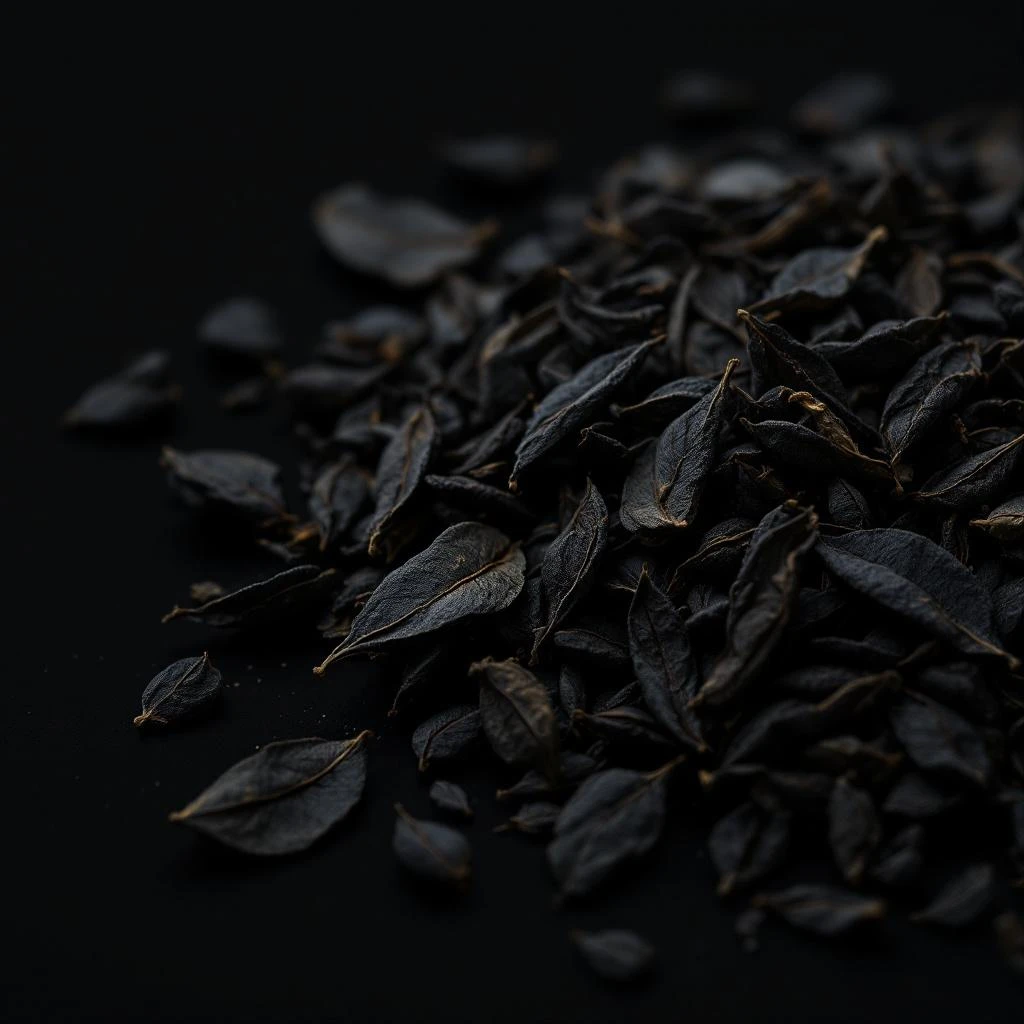
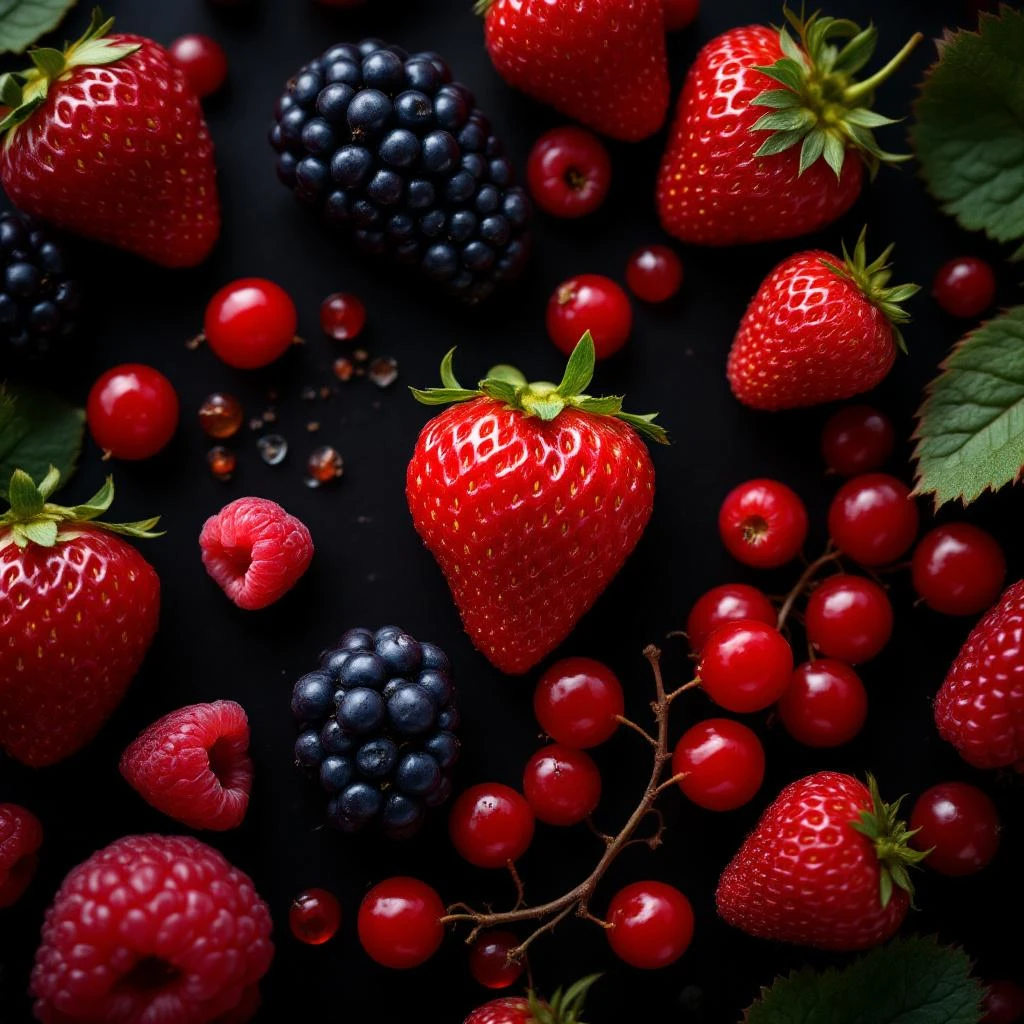
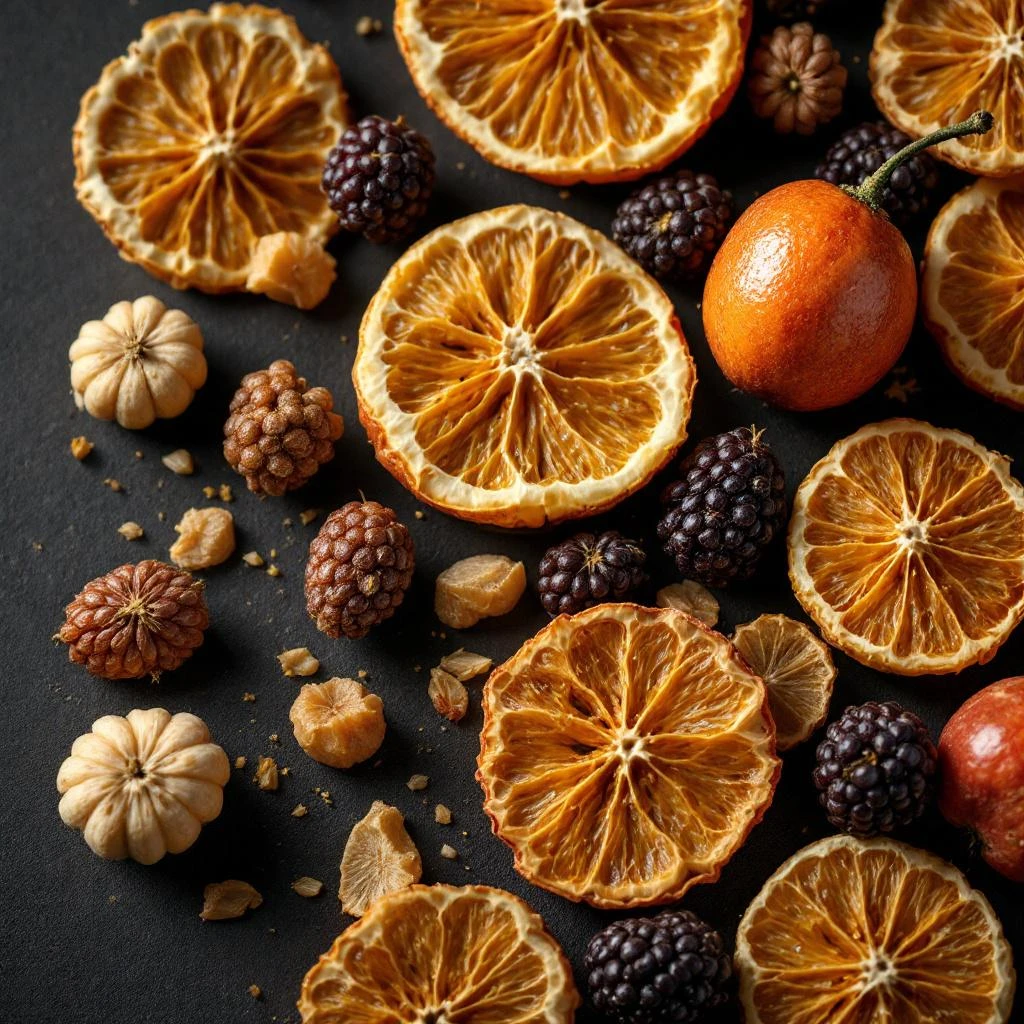
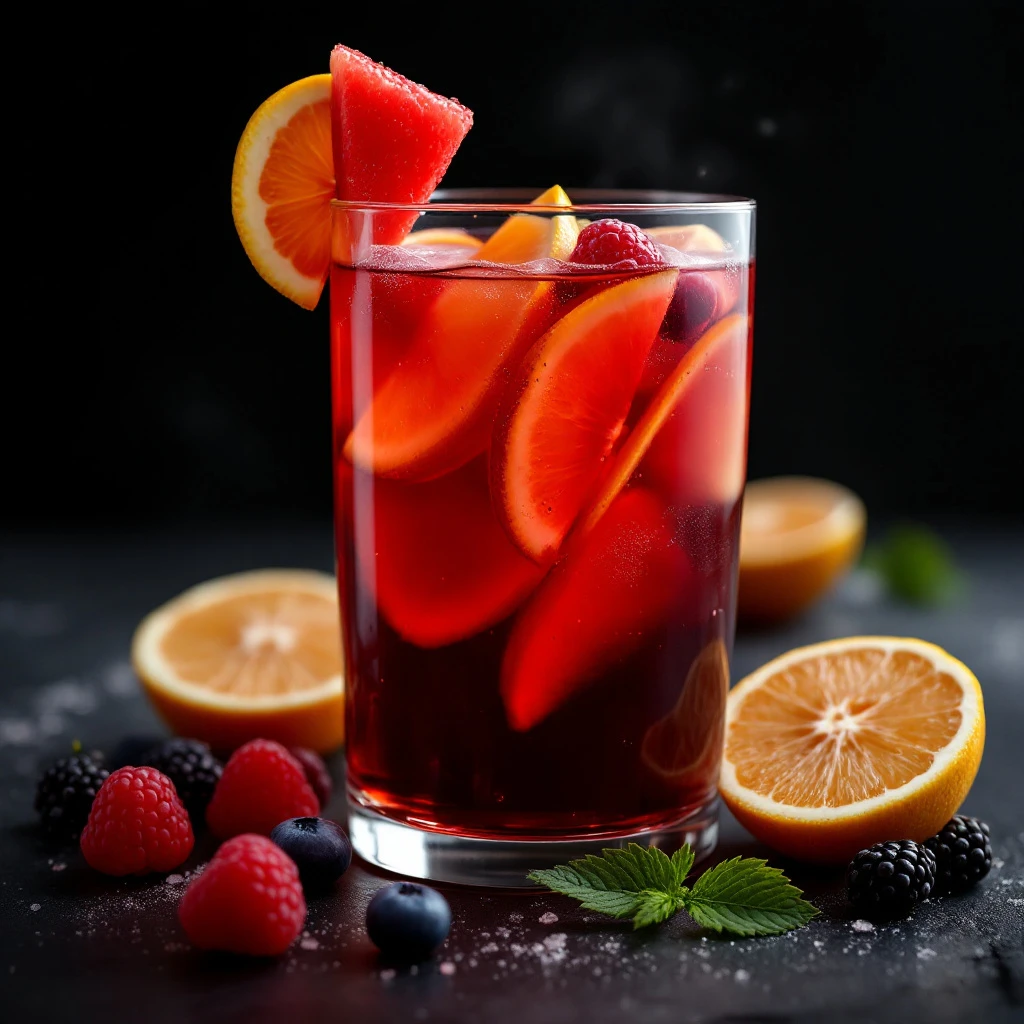
A juicy, festive blend of red wine, citrus, and warm spice inspired by Spain's beloved punch. Sangria in perfumery captures that party-in-a-glass spirit with berry sweetness, orange brightness, and a hint of cinnamon.
Character
How it smells
Party in a glass, bottled for your skin.
In Portuguese and Spanish, sangria literally means 'bloodletting,' a reference to the deep red of the wine that inspired the drink.


Origin
Spain
Sangria the drink traces its roots to ancient Rome. Roman legions brought viticulture to the Iberian Peninsula around 200 BCE, planting vineyards that would become world-famous. For centuries, Spaniards simply added water to wine to make it safer to drink, a practice common across Europe.
The addition of citrus and spices came later, influenced by Arab traders who introduced oranges and lemons to the region during their occupation of Spain, beginning in 711 CE. By the 18th and 19th centuries, the mixture had evolved into something recognizably like modern sangria. Perfumers began translating the drink's vibrant, fruity character into fragrance in the late 20th century as consumer demand grew for playful, lifestyle-inspired scent concepts.
Today the sangria note represents a broader trend in perfumery toward capturing culinary and beverage associations in wearable form. Its appeal lies in nostalgia and cultural familiarity as much as aromatic complexity. The note works particularly well in warm-weather fragrances where its cheerful, social character suits outdoor use and casual occasions.
Wears it best
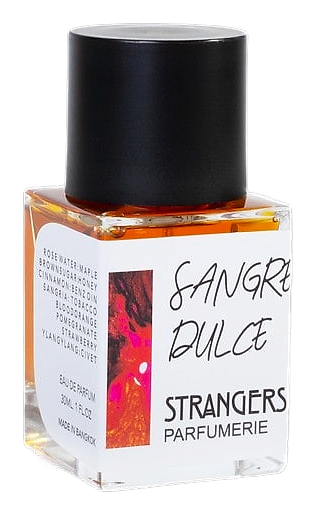
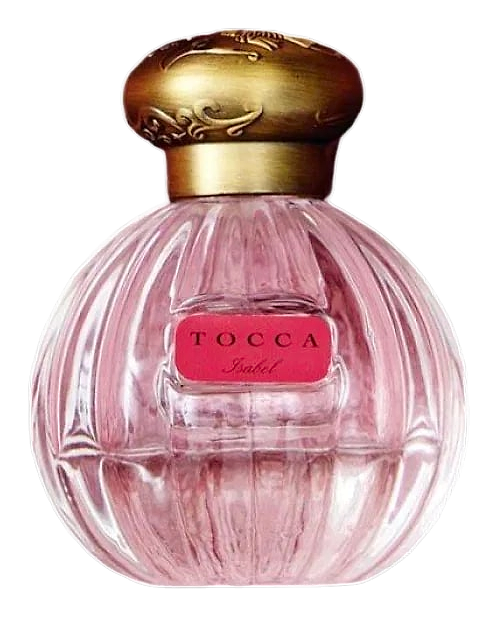
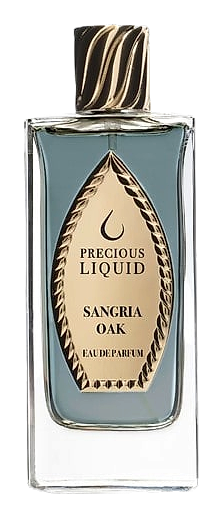
Fragrances featuring Sangria
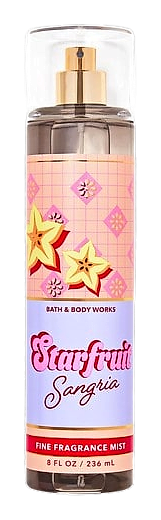
Brands
Brands known for Sangria
Good to know
Questions, answered
The essentials on Sangria in perfumery: how it smells, where it comes from, and how it behaves on skin.
Is sangria a natural fragrance ingredient?
No. Sangria is a synthetic aromatic accord that perfumers construct by blending multiple aromatic materials to evoke the drink's character. No single natural ingredient smells like sangria on its own.
What creates the wine character in a sangria note?
Perfumers use fermented, oak-aged aromatic materials that mimic red wine's depth and tannic quality. These base notes form the backbone of the sangria accord.
Which fragrance families use sangria notes?
Fruity chypres, fresh florals, and summer florientals commonly incorporate sangria notes. The note pairs well with citrus, berry, and warm spice combinations.
What fruits appear in sangria fragrance accords?
Orange and lemon provide citrus brightness. Peach, pineapple, and sometimes raspberry add juicy sweetness that balances the deeper wine-like base.
How long has sangria been used in perfumery?
Perfumers began creating sangria-style fragrance accords in the late 20th century as culinary-inspired fragrance concepts grew in popularity.
Can sangria notes trigger scent memory of the drink?
Yes. The combination of citrus, red fruit, and warm spice mirrors the drink's aroma closely enough that many people experience involuntary recall when encountering the fragrance note.
What spices are typically included in sangria fragrance accords?
Cinnamon and clove appear most frequently. Cardamom, allspice, and nutmeg may also appear in more complex interpretations of the note.
Are sangria notes seasonal or year-round in perfumery?
Sangria notes appear most often in spring and summer collections, but some perfumers use them in autumn fragrances to evoke warm-weather nostalgia.