The Story
Why it exists.
The beginning
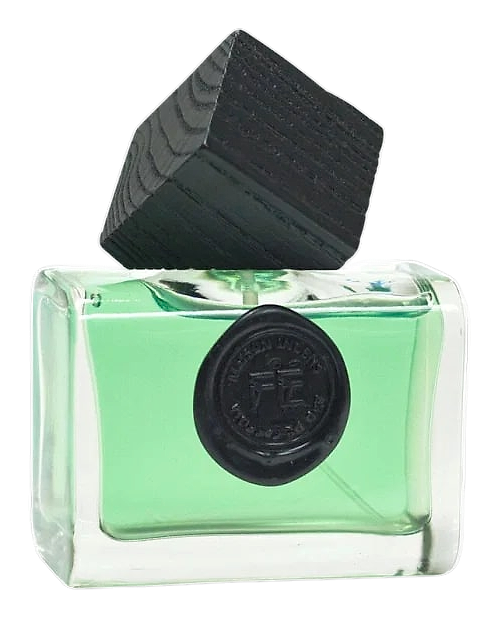
Maison Incens launched Figue Eleii in 2014 as part of their Black Opus collection, composed by Jean-Claude Gigodot. The fig was the subject from the first spray, and Gigodot built a composition that refuses to soften it for the wearer's comfort. Where a fig note might typically announce itself with the milky, almost lactonic sweetness of ripe pulp, this one holds that gesture back and lets the green architecture do the talking. There is the cool snap of fig leaf, the faintly bitter squeeze of unripe skin, and underneath it all a vegetal density that reads more like a hedgerow than a fruit bowl. Gigodot treats the fig as raw material rather than ornament, stripping away the easy pleasures and asking the wearer to sit with something more austere.
What makes Figue Eleii unusual is the alliance between fig and tuberose in their least ornamental forms. The tuberose here is no tropical diva. It pushes through in a vegetal register, more stem and leaf than petals, carrying a faint muddy edge that keeps it from any narcotic glamour. This one drapes that restrained floral over iris and a base built around animalic musks, cedar, and sandalwood. The civet and castoreum do quiet work in the foundation, adding a skanky warmth that keeps the greens from feeling sterile.
The evolution
The first fifteen minutes are almost aggressively green: crushed leaf, sap, and the metallic tang of fig skin. The fruit itself barely shows up. Tuberose pushes through around the twenty-minute mark, but it arrives in a vegetal register, more stem than petal, almost muddy at the edges. Iris settles in next, powdery but subdued, giving the composition a coolness that keeps the sweetness honest. As the hours pass, the animalic base rises. Castoreum and civet warm the cedar and sandalwood into something that smells closer to skin than wood. The green notes gradually retreat into the background as the musks take over, leaving a close, dry musk with a faint hum of fig and a lingering trace of something almost human. The iris continues to lend a cool, powdery hush to the later stages, softening the animalic edge without smoothing it out entirely.
Cultural impact
Figue Eleii sits in a register that resists easy categorization. Where fig notes in fragrance often lean toward sweetness or fruit-forward gourmand territory, this one stays in the vegetal zone, closer to leaf and bark than to ripe pulp. The tuberose arrives in an equally stripped-down form, more stem than flower, and the animalic base of civet and castoreum pushes the composition away from anything conventionally pretty. It is a fragrance that reads as deliberate rather than accidental, and the wearer's experience is one of sitting with a composition that refuses to flatter.