
The Story
Why it exists.
The beginning
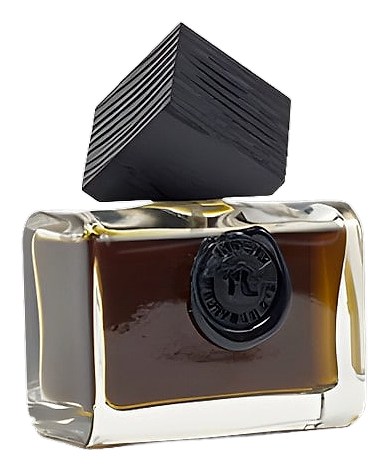
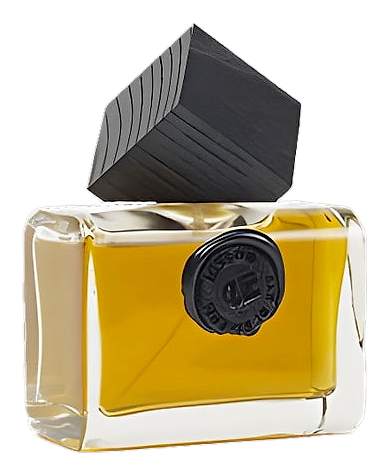
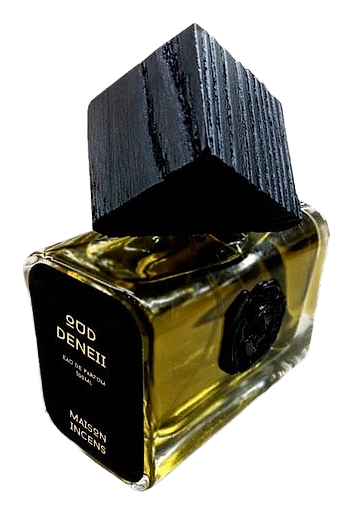
Oud Deneii emerged from Maison Incens in 2015 as part of The Black Opus collection, a line built for wearers who treat fragrance as something closer to ceremony than decoration. Perfumer Jean-Claude Gigodot worked with a simple brief: combine the purifying clarity of anise with the communicative weight of tobacco smoke, creating a scent that bridges the sensory and the spiritual without tipping into the esoteric. The name itself references a place or idea tied to the brand's incense heritage, though the real story lives in the composition itself, two ingredients that have perfumed sacred spaces across cultures, now folded into something intimate and wearable.
What makes Oud Deneii unusual is the heart. Where most anise-tobacco compositions lean heavy and linear, this one threads violet through the tobacco, a powdery, almost candied floral that softens the smoke without diluting it. The celery in the base is rarer still, adding a green, slightly bitter edge that keeps the sweetness honest. It's the kind of structural decision that reveals a perfumer thinking about contrast: anise opens sharp, tobacco grounds it, violet sweetens, celery sharpens again, and the tonkin musk finally pulls everything into warmth. The progression isn't obvious, but it rewards attention.
The evolution
The opening announces itself with black licorice intensity, anise and licorice working in tandem to create something that smells simultaneously sweet and medicinal. Thirty minutes in, the tobacco arrives, cooler and smokier than expected, while violet threads through like a quiet counter-melody. The celery appears in the heart-to-drydown transition, a green, almost mineral note that cuts the sweetness and keeps the composition from becoming heavy. By the third hour, ambergris and tonkin musk take over, warm, slightly animalic, honeyed. The drydown stays close to skin, intimate rather than announced, lasting well into evening on most skin types.
Cultural impact
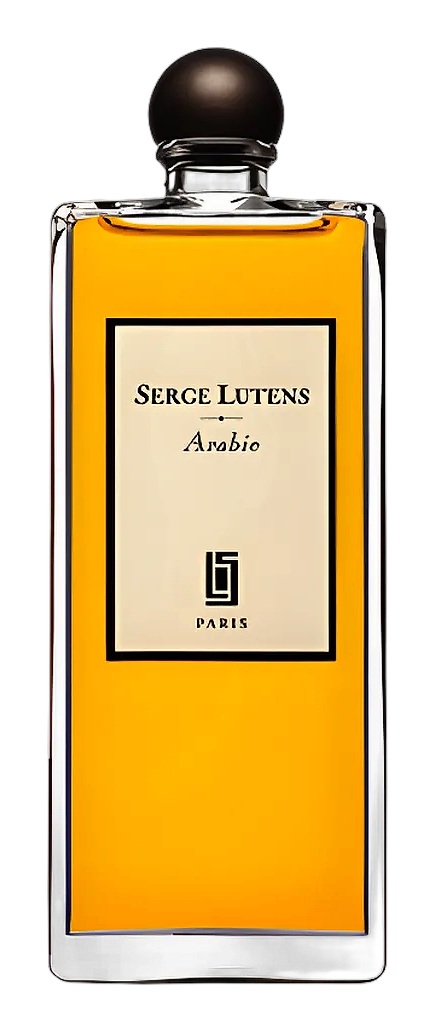
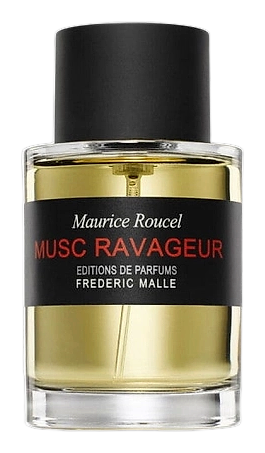
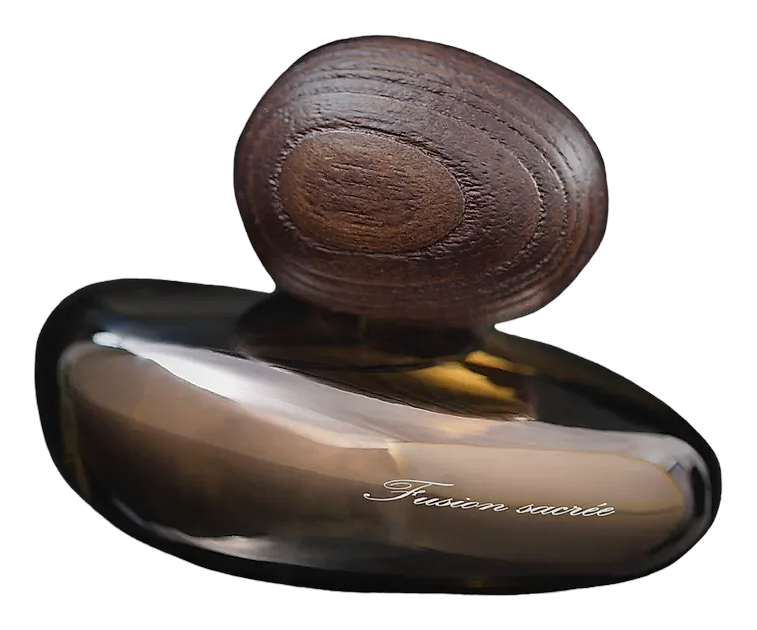
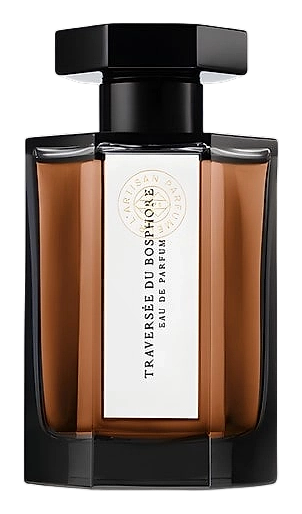
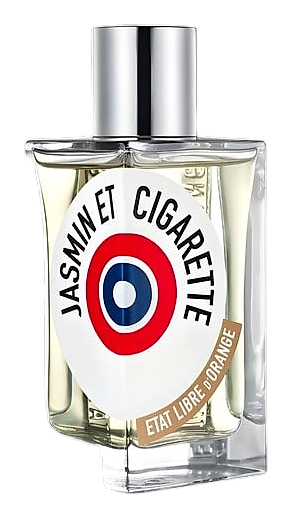
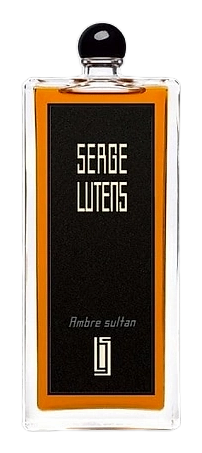
Oud Deneii sits comfortably within the tradition of resinous, ritualistic niche compositions that includes Arabie by Serge Lutens and Tauer Perfumes № 05, fragrances that treat scent as a form of communication rather than mere decoration. The Black Opus collection positions these as serious works for serious wearers, and Oud Deneii fits that mold. The anise-tobacco-violet combination is uncommon enough to reward exploration without requiring a niche expert's palate to appreciate.