The Story
Why it exists.
The beginning
The name says everything and nothing at once. Coeur de Musc, heart of musk. Simple. Direct. But Jean-Claude Gigodot built something less obvious beneath that straightforward premise. The fragrance takes its name seriously but refuses to be literal about it. Honey and ambergris became the unexpected co-conspirators, materials that share an animalic lineage, that ground the musk in something older and more honest than synthetic alternatives allow. The honey arrives with a radiant sweetness that catches light, while the ambergris provides an undercurrent of marine animal warmth that keeps the sweetness from floating away into abstraction.
What makes this composition unusual is its restraint. Honey, animalic notes, amber, musky notes, ambergris. No padding, no supporting cast to soften the edges. The honey could easily overwhelm, but the ambergris keeps it grounded. The animalic notes could swing feral, but the musky notes temper them into something that reads as skin rather than barnyard. This is the tightrope Gigodot walked: materials that share a family tree, pushing against each other until the tension resolves into something coherent.
The evolution
The opening is golden. Honey that announces itself without hesitation, sweet and bright and unapologetic. There's animalic warmth underneath, a reminder that sweetness has a source. This is not a subtle entrance. Twenty minutes in, the amber arrives. It doesn't replace the honey, it cradles it, adds depth, shifts the register from bright to warm. The animalic notes that were part of the opening have settled into the background, integrated rather than disappeared. Two hours in, the musk begins its slow take-over. The honey retreats to a memory. The amber persists. And the ambergris reveals itself, not as a surprise, but as the quiet foundation that was always there. The drydown is where Coeur de Musc earns its name. Close to skin, intimate in sillage, present for long hours.
Cultural impact
Coeur de Musc sits in a particular space among honey-forward compositions, one that offers genuine animalic depth rather than sanitized sweetness. It's not for those who want their fragrance experience smoothed over and made comfortable. In forums and community reviews, wearers consistently highlight the intimacy of the scent, noting that it requires proximity to fully appreciate, that it rewards the close encounter rather than announcing itself across a room. The honey-ambergris-musky triad gives it a particular character: sensual without being explicit, warm without being heavy.
The House
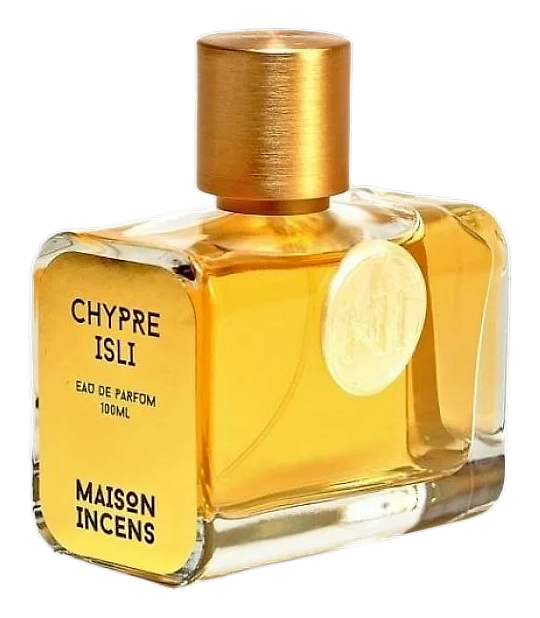
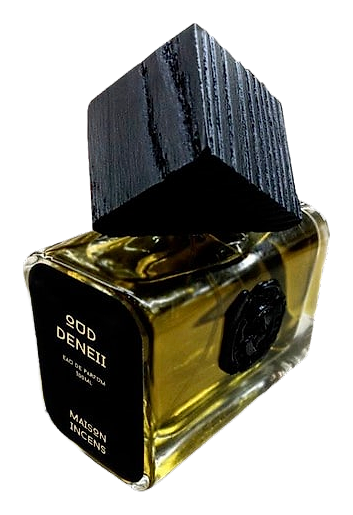
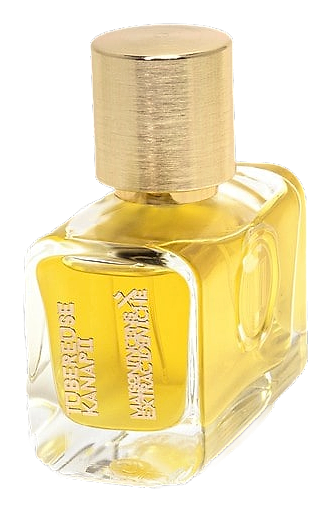
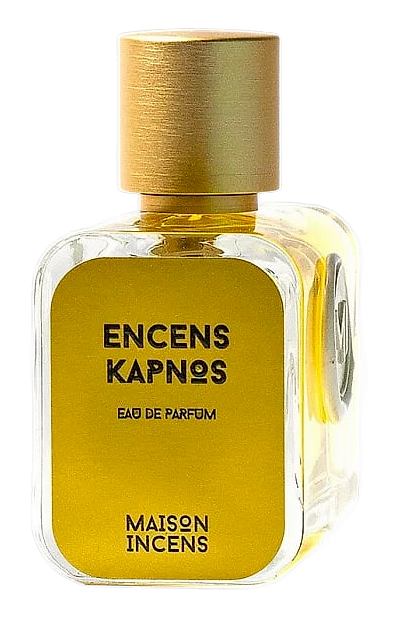
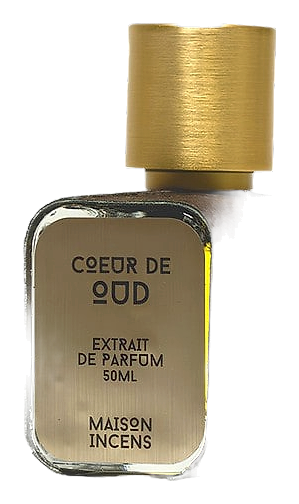
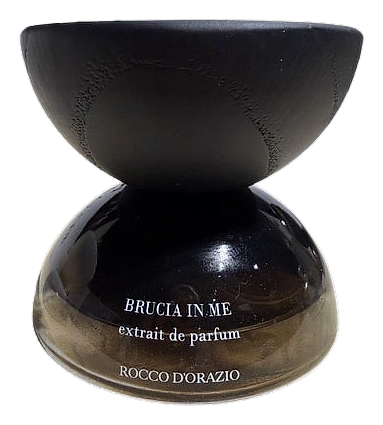
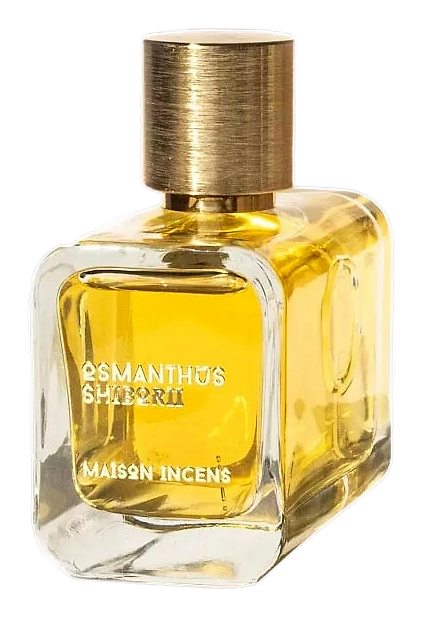
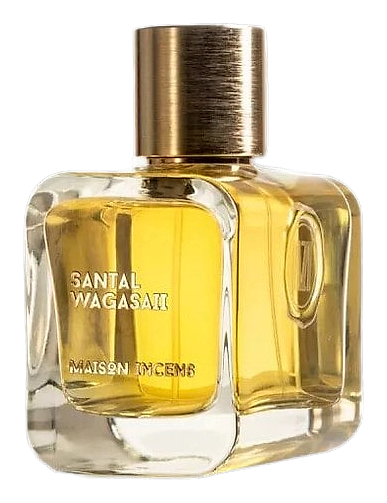
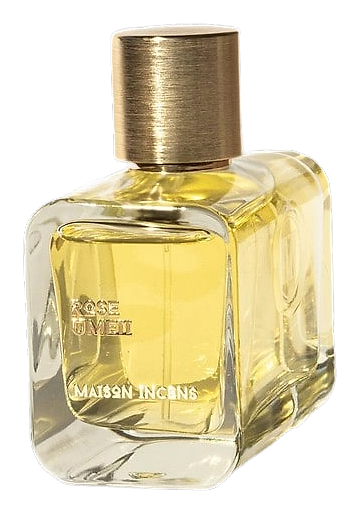
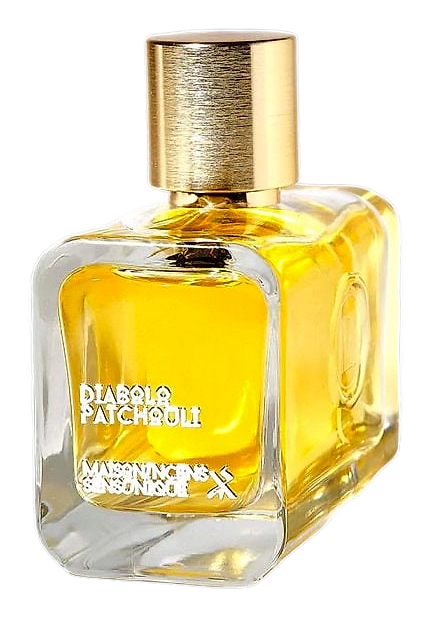
Maison IncensMaison Incens is a French niche fragrance house founded in 2013 by Philippe Constantin. The house specializes in distinctive perfumes inspired by incense traditions and aromatic heritage, creating scents that draw from raw materials with historical and cultural significance. Based in France, Maison Incens crafts its perfumes domestically, offering a collection of bold, unconventional fragrances including Coeur de Rose, Santal Tislit, Musc Dahabii, Encens Kapnos, Tubereuse Kanapii, and Brucia In Me. The house name itself references incense, one of the oldest aromatic ingredients in perfumery history, reflecting the brand's commitment to exploring deep, resinous, and traditionally significant scent profiles.
The Creator
Jean-Claude GigodotGiven his training at De Laire, Gigodot likely developed expertise in working with classic aromatic materials and established perfumery techniques. His chemist background suggests attention to technical execution and material integrity.