The Story
Why it exists.
The beginning
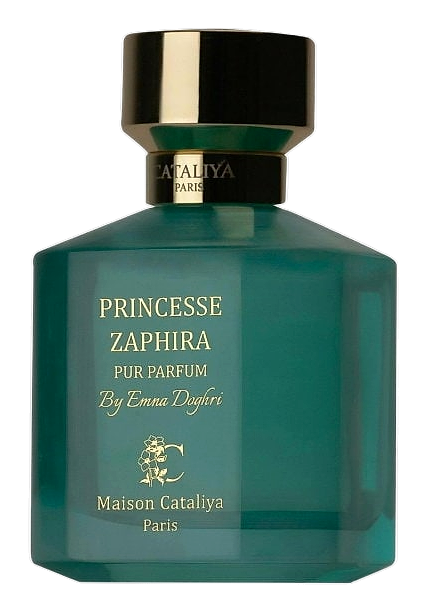
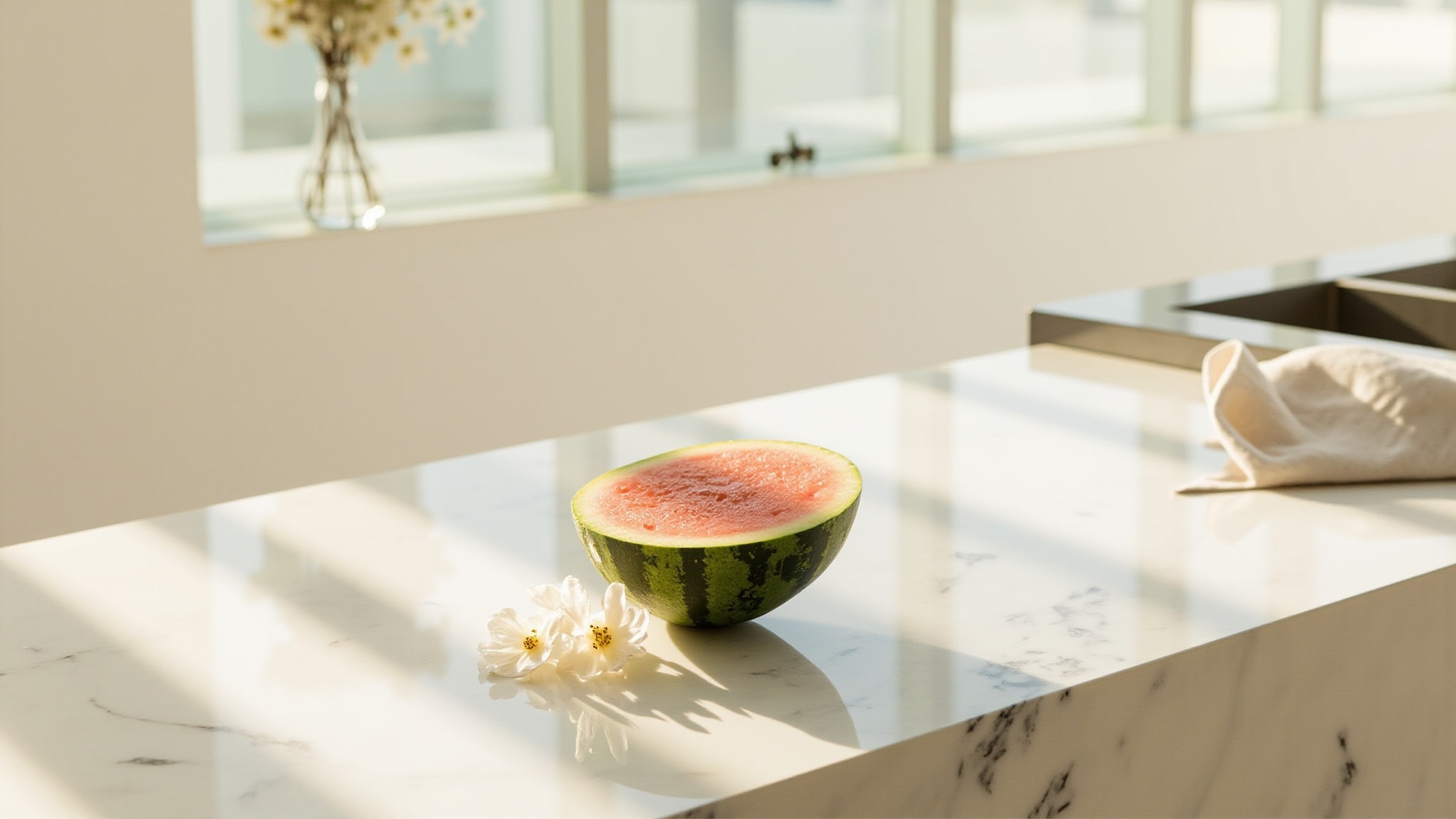
Composed by perfumer Emna Doghri in 2024, Princesse Zaphira translates its concept into a different kind of language. Not incense. Not leather. Not the heavy resins one might expect from a fragrance built to commemorate something weighty. Instead, melon, jasmine, and sandalwood. A floral built on fruit water and white musk. Softness as a deliberate posture. The paradox is the point: a composition named with royalty in mind, dressed in watermelon and dew rather than smoke and oud. There is no proclamation here, no burning of amber to signal gravitas. What unfolds on skin is cooler, quieter, more private.
The interesting move here is the watermelon. It is not a common anchor in a floral, and pairing it with jasmine rather than citruses pushes the composition toward something less cocktail-party, more garden-after-rain. Violet does the smoothing work, powdering the edges where fruit and white florals might otherwise clash. Sandalwood and ambergris underneath give it a slight saline warmth that keeps the fruit from reading juvenile. Doghri's structure is restrained: two top notes, two heart notes, a clean woody-musk base.
The evolution
The first fifteen minutes are almost entirely melon and watermelon, cold and sweet, the kind of opening that makes people nearby tilt their head. There is no citrus spark here, just the fruit's own clean brightness. By the thirty-minute mark the jasmine surfaces, more on the dewy, watery side. It lifts the fruit into something more floral rather than letting it collapse into simple sweetness. The violet layers in shortly after, giving the composition a soft, almost talc-like finish that smooths any rough edges. Two hours in, the fruit is mostly gone. The jasmine remains but quieter, sharing space with a sandalwood that reads warm and slightly creamy rather than dry. The ambergris is subtle but doing real work: it adds a salt-warm undertone that prevents the white musk from turning soapy.
Cultural impact
Princesse Zaphira reads cool where many compositions built around watermelon tend to lean sugary or juvenile. The floral-fruit pairing, anchored by jasmine and violet rather than citrus, gives it a composure that lifts it out of the simple freshie category. It belongs to the warmer-weather rotation, the kind of scent that sits comfortably on skin through long afternoons without demanding attention. The watermelon opening is the most immediately noticeable element, present enough to register on first spray but clean enough not to overwhelm.