The Story
Why it exists.
The beginning
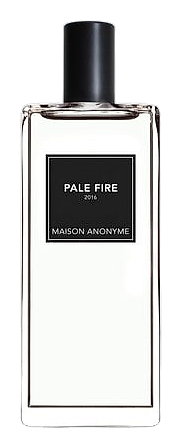
Christopher Gordon built Pale Fire in 2016, and the composition rewards anyone willing to read it twice. Something about it suggests a surface and a substrate, a top register and a buried chord, shimmering and shadowed at once. You catch one thing on first wear and quite another on the third, and the pleasure lives in that gap between what you expected and what arrived. Maison Anonyme gave Gordon room to compose the way he thinks, not the way the market dictates. Pale Fire was an early statement of that intent, a bittersweet amber pitched at the contrast between balsamic weight and floral lift. The brand calls it a show-stopper. The composition agrees, quietly, on its own terms, wearing its confidence in the choice of materials rather than in volume.
What makes this composition interesting is the way it places cacao and licorice at the front of the stage rather than tucking them into a gourmand's expected recipe. Cacao Pod arrives before the sweetness, dark and earthy, paired with cassia's dry warmth rather than sugar. That sequencing sets the tone for everything that follows. Then Turkish Rose enters at the heart, carrying the whole structure on a floral spine rather than letting the resins dominate.
The evolution
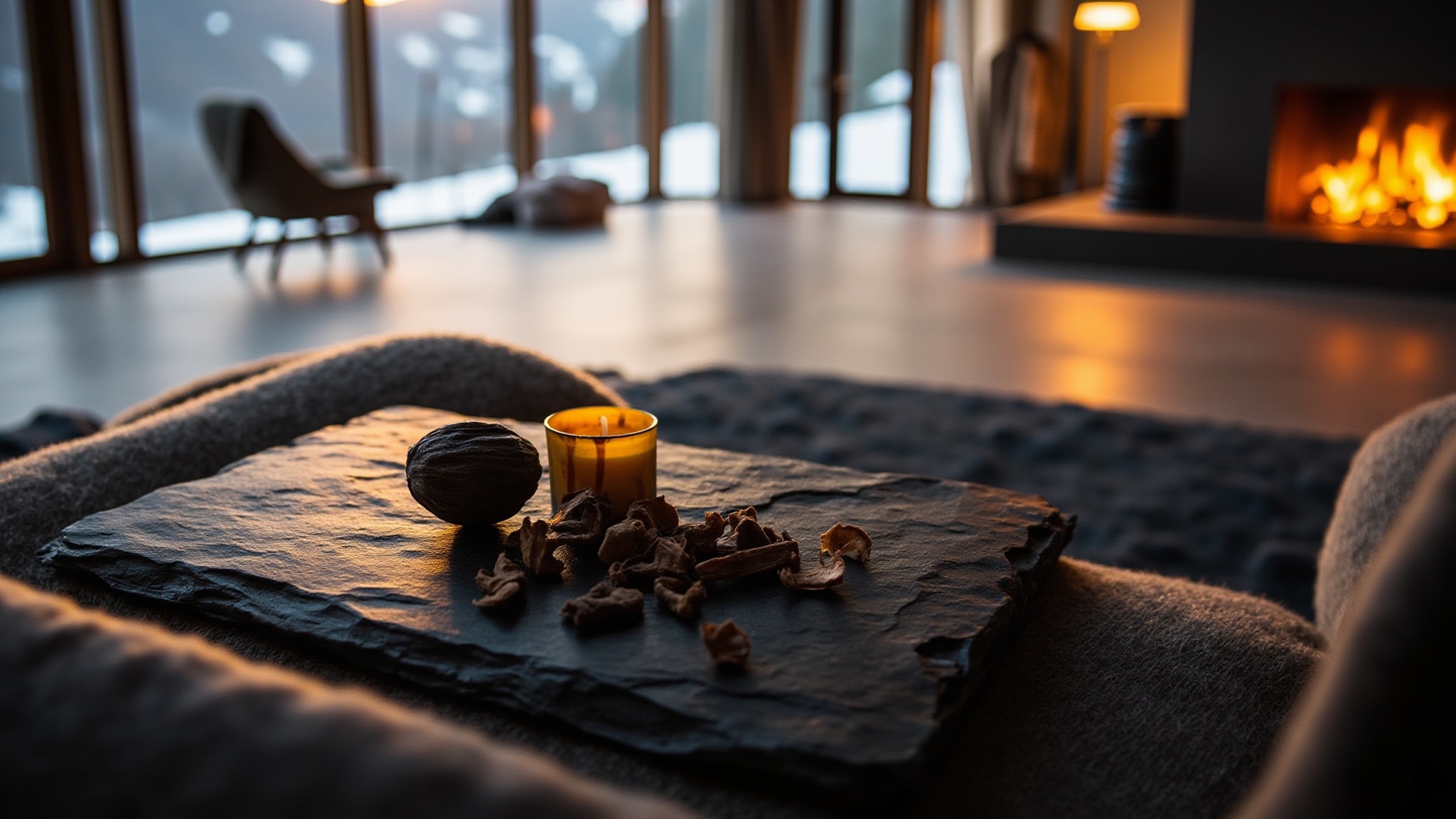
The first fifteen minutes belong to cocoa's bitterness and licorice's cool sweetness, an almost savory opening that catches you mid-sip. Then the Turkish Rose arrives, not delicate, not demure, but full-bodied and assertive in the way a serious floral demands to be taken. Magnolia opens its petals alongside the rose, adding a soft, rounded quality that keeps the heart from going too dark too soon. After about an hour, the resins take the wheel. Labdanum and tolu balsam fold everything into a dense amber that sits close, not loud but persistent. Benzoin adds a vanilla-adjacent sweetness that reads more like warm wood than anything edible, a resinous glow rather than a confection. Tonka bean hums in the far background, a low-frequency sweetness that anchors the late stages of the wear.
Cultural impact
Voting data from fragrance communities shows strongest wear in fall and winter, with fall leading the calendar, and a balanced day-to-night split that suggests versatility rather than a narrow occasion profile. The composition reads as a resinous amber with literary leanings, the kind of fragrance that invites comparison with other idea-driven works in the wider niche conversation. Comparable picks from community lists place it alongside Serge Lutens' Chergui, another resinous amber that shares Pale Fire's appetite for warmth and density.