










Heritage
A house, in its own words
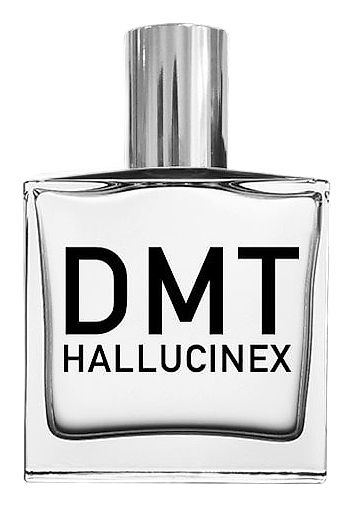
Maison Anonyme emerged in 2016, placing it among the newer entrants in the niche fragrance sector. The founding occurred during a period when independent perfume houses were gaining increased visibility, driven partly by online fragrance communities and platforms that connected consumers directly with smaller creators. Christopher Gordon established the house with a clear point of view: he wanted to compose fragrances that reflected his personal obsessions with art, literature, and altered states of consciousness. The name itself suggests a tension between anonymity and authorship, between the idea of the perfume speaking for itself and the persona of its creator remaining deliberately obscured. Gordon has acknowledged in interviews that the brand operates outside traditional fragrance industry structures, avoiding department store distribution and mainstream advertising in favor of direct-to-consumer channels and cultivation of a dedicated following among fragrance connoisseurs. The Hallucinex project became the brand's most discussed work when it launched in 2020, with Gordon describing the collection as an exploration of how scent can mimic or evoke the sensory distortions associated with altered states. The choice to name fragrances after specific psychoactive compounds was deliberate, serving as both provocation and artistic statement about the relationship between chemistry and consciousness. Rather than attempting to recreate drug experiences, Gordon worked to capture the emotional and atmospheric qualities he associated with those substances, translating them into wearable perfume. Christopher Gordon has articulated a philosophy centered on fragrance as a vehicle for memory, emotion, and altered perception. In interviews discussing the Hallucinex line, he positioned his work as an investigation into how smells can function like portals, triggering unexpected associations and transporting wearers outside their ordinary sensory experience. This approach aligns with a broader tradition in niche perfumery where scent is treated not merely as pleasant background but as an active agent capable of psychological effect. Gordon has expressed skepticism toward mainstream fragrance conventions, suggesting that mass-market perfumery often prioritizes palatability over authenticity. His work tends toward unexpected combinations and materials that challenge conventional expectations of what a perfume should smell like. The Hallucinex names themselves provoked discussion within the fragrance community, with some questioning whether the references were literal or metaphorical. Gordon clarified that the fragrances were not attempts to recreate the effects of the named substances but rather explorations of their associated atmospheres and emotional territories. This distinction reflects a philosophical commitment to treating fragrance as art rather than commodity, with all the conceptual rigor that implies.