
The Story
Why it exists.
The beginning
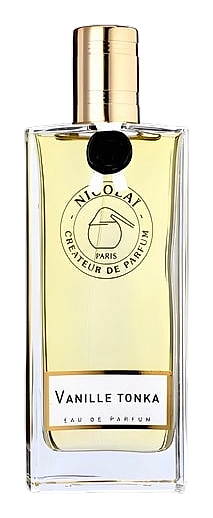
Patricia de Nicolaï created Vanille Tonka in 1997, a year when vanilla in perfumery often meant one thing: warmth as comfort, sweetness as safety. The name suggests something soft and approachable. The composition had other ideas, building a vanilla that doesn't flinch, a tonka that arrives with smoke instead of cream. Here, vanilla arrives with unexpected depth, mineralic and resinous rather than sweet. Tonka bean absolute contributes a smoky, slightly bitter edge that counters the expected confectionery impression. The interplay creates something that feels warm but refuses to be predictable, offering complexity that rewards attention.
The choice to anchor a vanilla-tonka fragrance in incense and black pepper is the move of someone who understands contrast. Incense doesn't compete with vanilla, it clarifies it. The tonka bean absolute, with its coumarin richness, could easily become the dominant voice. Instead, Patricia de Nicolaï lets it share the stage with African orange flower and carnation, creating a heart that bridges the aromatic opening and the smoky base without ever becoming merely floral. The result is a fragrance where each layer earns its place rather than simply arriving.
The evolution
The opening hits fast, Amalfi lemon and basil arrive with an herbal sharpness that surprises. Mandarin orange adds sweetness underneath, but it never drowns the basil. Twenty minutes in, the structure reorganizes. Cinnamon and black pepper take over, carnation blooms briefly like a spice-market flower stall, then retreats. The African orange flower provides a quiet anchor through the heart. By hour two, the incense announces itself, resinous, slightly ashy, unmistakably present. Vanilla and tonka are here, but they arrive late and soft, never announcing themselves. The incense weaves through the final stages, smoke and warmth lingering while the vanilla and tonka gradually surface, their sweetness tempered by the surrounding spice and resin.
Cultural impact
Vanille Tonka occupies an interesting position in the oriental category. Where oriental fragrances of the 1990s often leaned into warmth and sweetness as primary virtues, Vanille Tonka offers warmth with a dry, almost smoky edge. The incense and pepper keep it from reading as dessert, while the vanilla and tonka keep it from reading as purely atmospheric. The interplay between smoky incense, warm spices, and the sweeter base creates a fragrance that feels both grounded and complex.