The Story
Why it exists.
The beginning
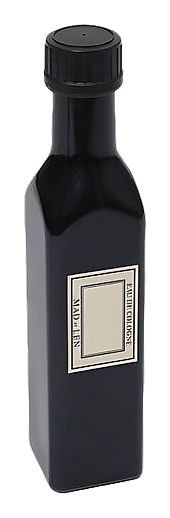
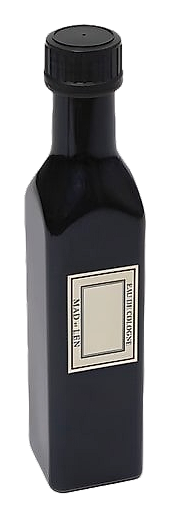
OI Acajou Khaya Senegalensis by Mad et Len treats its central material idea with rare clarity: the warmth and depth of wood, rendered without ornament or distraction. The name itself hints at what awaits inside the bottle, pointing toward mahogany and a specific botanical source that grounds the composition in something tangible rather than abstract. From the moment it hits the skin, the fragrance announces its intentions firmly. There is no sparkling top note meant to charm, no bright citrus lift to soften the entry. Instead, the opening is dense, resinous, and self-assured, the kind of scent that assumes you'd rather meet a material on its own terms. Mad et Len has built a reputation for compositions that honor raw, unprocessed materials, and this one sits squarely inside that approach.
What makes the composition unusual is its restraint. Where most woody orientals build around multiple heavy bases, OI Acajou Khaya Senegalensis narrows the focus to three pillars: benzoin, resins, and woody notes. Benzoin brings the sweet, almost vanilla-leaning warmth. Resins add the incense-like depth, that sticky, almost ecclesiastical quality. The woody notes do the rest, grounding the whole structure. Together they create something that reads less like a modern perfume and more like a church interior or an old library, where the air itself carries centuries of absorbed scent.
The evolution
Applied to skin, the opening arrives as a dense resinous cloud, benzoin-forward, slightly sweet, with a hint of that almost medicinal edge that good benzoin carries. For the first hour it feels thick and enclosed, almost architectural, a structure built from sweetness and shadow rather than light and air. The resin character gradually begins to share space with the wood, the initial density loosening into something more nuanced and layered. The sweetness softens, and a drier, more textured woody quality emerges, carrying the quiet confidence of seasoned timber rather than freshly milled lumber. Eventually the fragrance settles into its final shape: warm wood with a faint resin hum underneath, close to the skin, intimate rather than projecting. This is where the composition does its best work, trading initial impact for a long, quiet presence that rewards patience over performance.
Cultural impact
Production was apparently discontinued, which makes surviving bottles a quiet artifact within niche perfume circles. The fragrance carries an air of scarcity that heightens its appeal among those who already know the house and its output. Bottles that surface on the secondary market tend to be sought after by collectors who recognize the particular character Mad et Len brought to its compositions, and who value the chance to experience a piece of the house's catalog that is no longer in rotation.