
The Story
Why it exists.
The beginning
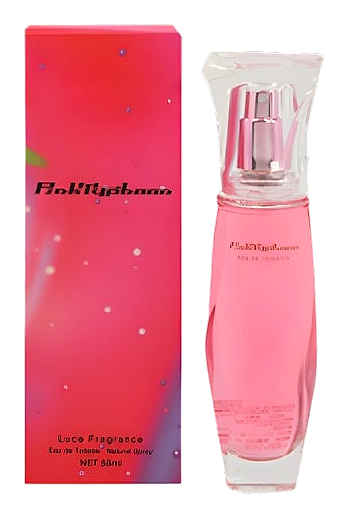
Pink Typhoon arrived in 2004 as Luce Fragrance's opening statement, a debut that needed to mean something. The name carries deliberate tension: pink suggests something soft, even fragile. Typhoon suggests the opposite. The brief seemed to be "both at once." That contradiction runs through the entire composition. Bright fruit doesn't give way to something heavier, it exists alongside the structure, holding its ground. Luce Fragrance, operating through a collaborative team model under LUZ Ltd., built this from the ground up in Japan. Pink Typhoon was the house announcing its philosophy: artistic perfumery that rejects standardized approaches. This was the first proof.
The unusual move here is pairing a lush, six-note fruit opening with a traditional chypre foundation. Most fruity florals soften the base into something indistinct, musky, woody, forgettable. Pink Typhoon keeps oakmoss front and center in the drydown. That ingredient, nearly erased from modern perfumery due to IFRA restrictions, gives the finish a dry, almost dusty character that contrasts sharply with the juicy opening. The clary sage in the heart adds another layer of complexity, herbal, slightly bitter, unexpected. This isn't a fragrance that plays it safe. It's one that asks you to pay attention.
The evolution
The opening hits like someone opening a window in a warm room. Lychee, pear, peach, grapefruit, all arriving together, not in sequence. There's an immediacy to it that feels almost effervescent. Freesia and rose don't burst in, they seep. The rose especially takes its time, settling beside the cranberry like it belongs there. Orange blossom adds a creamy undertone, while clary sage introduces a green, slightly medicinal note that prevents the heart from becoming precious. The evolution isn't dramatic. It's a slow, confident unfurling.
Cultural impact
Pink Typhoon carved a niche in the Japanese market, establishing Luce Fragrance as a serious player in the niche segment. It's the kind of fragrance that attracts a certain type of wearer, someone who notices composition, who appreciates a chypre structure in a fruity-floral context. The name suggests something transient and powerful, and the scent delivers that energy without becoming aggressive.