The Story
Why it exists.
The beginning
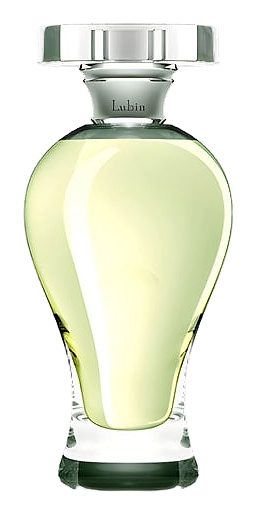
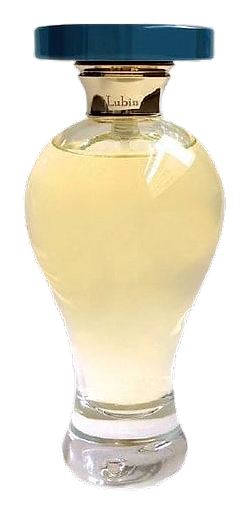
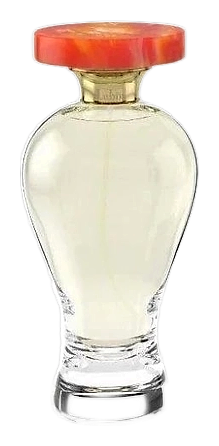
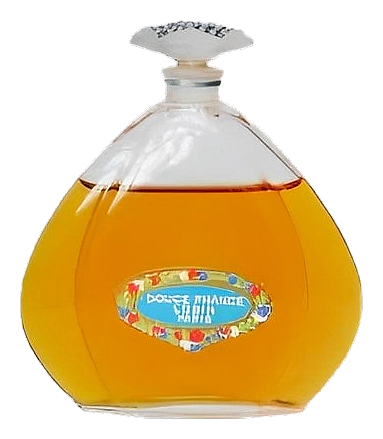
Douce France translates to "Sweet France." Launched in 1920 by Lubin, the fragrance offered women a composition built around citrus, jasmine, and honey, a combination that feels both generous and easy to wear. The name itself carries a certain poetry, the kind of two-word promise that doesn't need elaboration. An advertisement illustrated by Pesle appeared in a 1922 press publication, marking a deliberate visual effort to support the scent's introduction. Lubin, a Parisian house, used this campaign to reach an audience discovering modern perfumery.
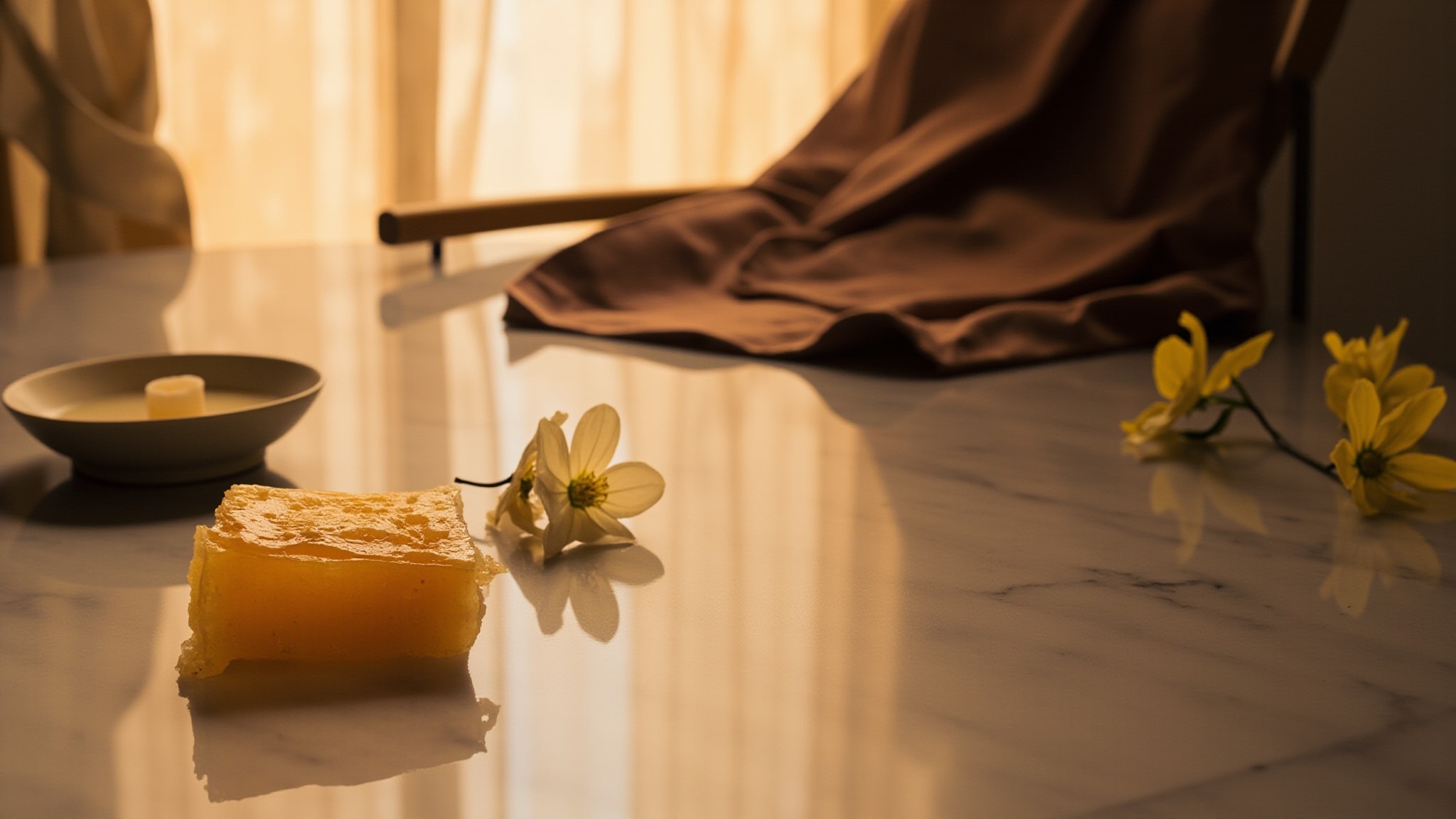
What makes Douce France structurally interesting is how it folds its sweetness into a floral spine rather than letting it collapse into confectionery. The composition treats sweetness as something botanical, something that comes from flowers and nectar rather than from sugar or syrup. Citrus and jasmine share the stage with honey, and the result is a fragrance that smells edible without ever smelling like dessert, a distinction that matters more than it sounds.
The evolution
The first ten minutes are the brightest the scent will ever be. Citrus opens clean and almost sparkling, carrying the air of orange blossom in a way that feels immediate and awake. As the heart takes over, the jasmine enters alongside a honeyed warmth that thickens without becoming heavy. The transition is smooth, almost seamless in the best sense of the word: nothing jolts, nothing breaks the spell, and the scent simply changes register the way a long afternoon changes into early evening. The honey deepens gradually as the hours pass, moving from a bright, almost golden sweetness to something rounder and more settled. By the later stages of wear, the composition reads as warmer, more honeyed, more unified, with the florals still present but quieter, lending texture rather than leading.
Cultural impact
Douce France carries a particular weight as a 1920s release, a fragrance from a decade that produced some of the most enduring compositions in the modern perfume canon. Its name, Sweet France, is simple and evocative, a two-word invocation of a place and a feeling that requires no translation. For contemporary wearers, the scent offers a direct connection to that earlier era of French perfumery, when compositions were built to last and to be recognized rather than to disappear into trends. It belongs to a tradition of fragrances that prize balance and wearability, scents that reward attention without demanding it.