The Story
Why it exists.
The beginning
Ambre arrived in 1926 from Lubin, a name already known in Parisian perfumery. Pierre François Lubin had been creating notable compositions, including an Eau de Chypre recorded in connection with the Russian court in 1821, which speaks to a house with real standing in the world of French fragrance long before Ambre appeared on the scene. By the time Ambre launched, Lubin had spent generations building a reputation for oriental compositions, the kind built on resins and warmth that defined a certain strand of French perfumery. Ambre is classified as an oriental fragrance, a category that in the early twentieth century carried a richness and weight that set it apart from lighter fare.
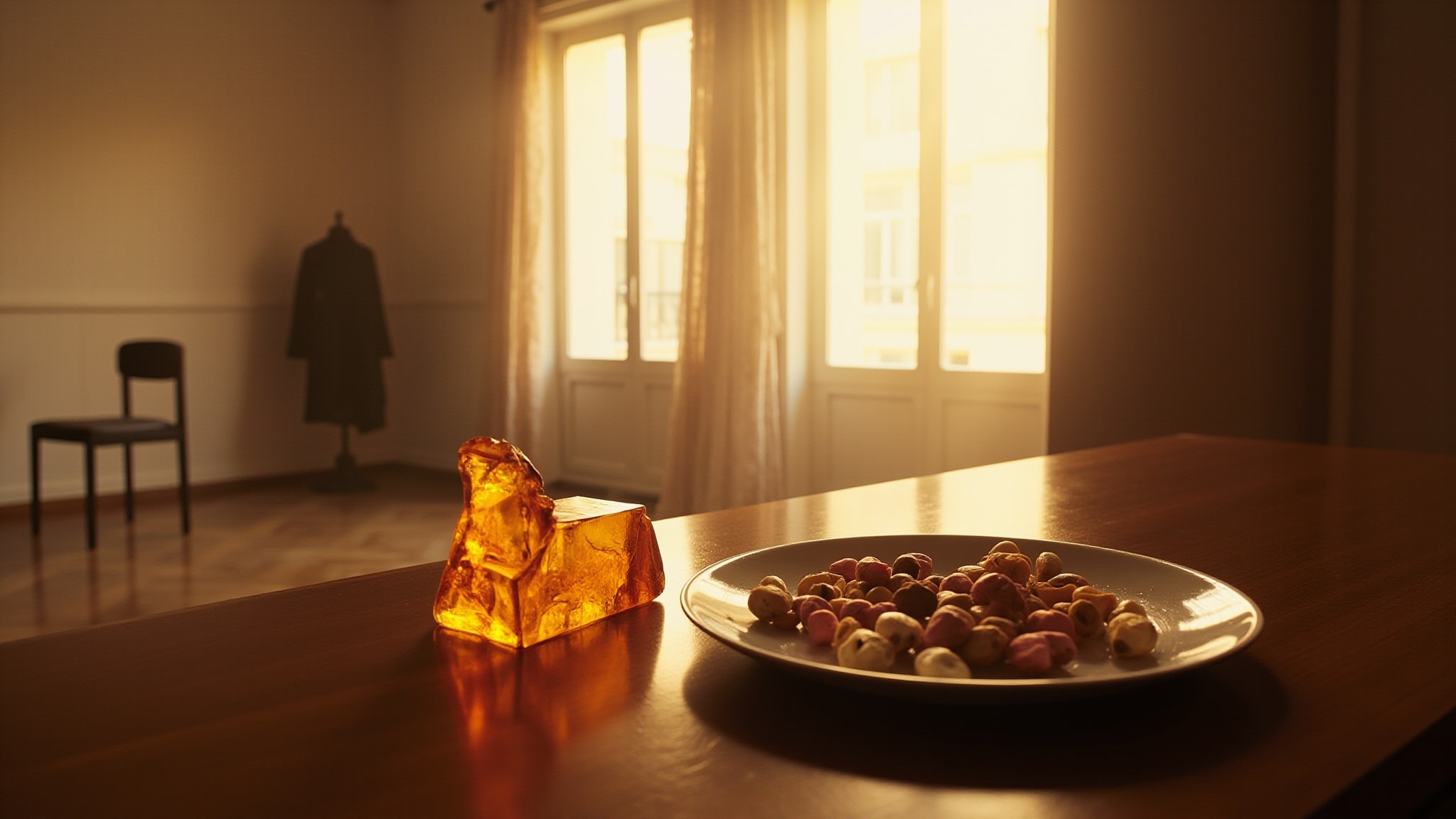
What makes an amber composition like this worth pausing on is the material itself, and the way oriental fragrances tend to unfold on skin. The category relies on resins that carry weight, sweetness, and a kind of ancient warmth, materials that perfumers have worked with for centuries because they do something a lighter note never could: they stay. They cling to skin, to fabric, to memory.
The evolution
The first few minutes are where the composition announces itself, a brighter entry that cuts through before the heavier materials settle in. It's the kind of opening that feels like walking into a warm room after being outside in cold air, a brief sharpness that quickly gives way to depth. As the minutes pass, that initial brightness softens, and the fragrance shifts into its fuller register, warm, rounded, unmistakably oriental in character. The middle hours are where Ambre feels most itself, rich and golden, sitting close to the skin but carrying enough presence to be noticed by someone near you. There's a density to it that doesn't shout but certainly doesn't whisper either. As the hours stretch on, the drydown thins into something quieter and more personal, the kind of trace that stays on a scarf or a sweater and greets you again the next morning.
Cultural impact
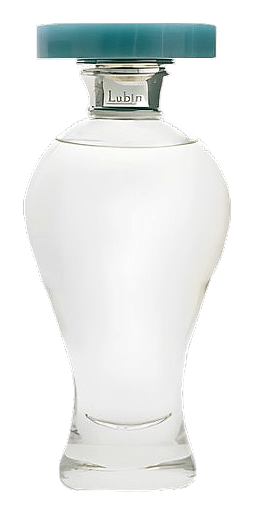
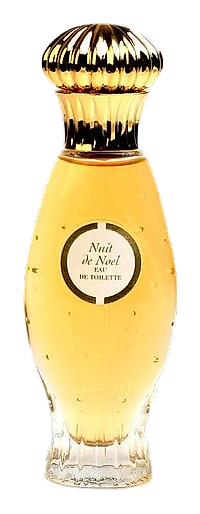
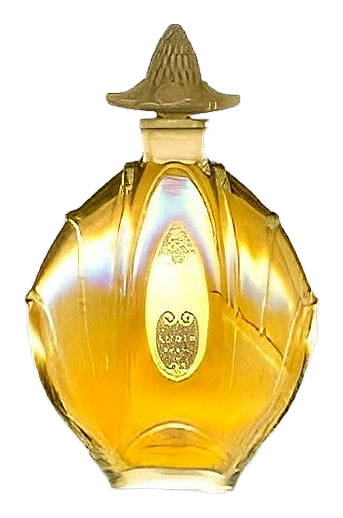
Ambre belongs to a category of fragrance that has its own particular gravity, the oriental, a style built on resins, warmth, and a richness that doesn't apologize for taking up space. It reads as deliberate, a composition that wants to be felt rather than simply noticed in passing. That quality gives it a specific kind of appeal: it's a scent for someone who likes their fragrance to have presence, who wants a coat collar or a scarf to carry a trace of something warm and recognizable. The bottle reflects the same sensibility, an amphora-shaped flacon crowned with a golden dome, a design rooted in classical rather than contemporary aesthetics.