The Story
Why it exists.
The beginning
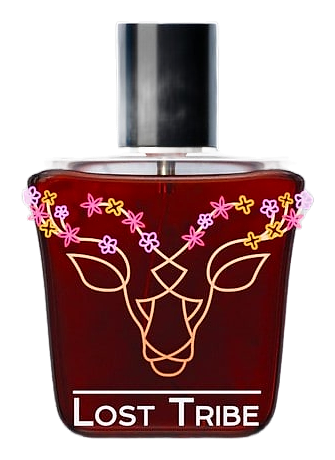
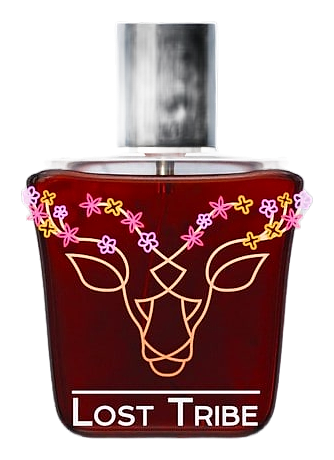
Flower of the Field launched in 2023, the work of perfumer Mathew Schmuelian and part of Lost Tribe's v2 line, which the house describes as all natural small batch perfumes containing rare materials. The brief was deceptively simple: capture the entire plant. Not the bloom in isolation, but the rose as a living thing, rooted, growing, breathing. The result was a slow marriage of rose oils, oud, and wood, a composition designed to age into itself. The fragrance carries the patience of a formula built to evolve, ingredients given room to settle into one another rather than rushing toward a finished impression. Rose sits at the center, but it is rose in full context, stem and soil and surrounding air, not a solitary flower pinned under glass.
What sets this composition apart is the scale of its rose. Flower of the Field stacks four: Bulgarian, Turkish, Indian, and the rare Azerbaijani rose otto, sourced direct from the distiller and batch-tested for quality. Each cultivar brings a distinct character, and together they build something dense and alive, a rose with geography. Around that central flower, frangipani, osmanthus, and jasmine sambac play supporting roles, adding texture without competing.
The evolution
On skin, the opening announces itself cool and herbal, the lavender and lime cutting through with something almost bitter before the rhododendron unfurls its berry-fruited sweetness. White ambergris floats beneath, giving the first minutes a clean, mineral lift that sharpens the air around the wearer. The citrus and herbal notes create a brief moment of austerity, a kind of green chill that clears the way for what follows. As the composition settles, the citrus retreats and the rose begins its slow takeover, layered and warm, less a single bloom than a thicket of them. Bulgarian warmth, Turkish depth, Indian sweetness, and the rare Azerbaijani rose otto each contribute a different facet, and the cumulative effect is generous and alive.
Cultural impact
Flower of the Field stands as a notable example of how far a rose composition can be pushed when a perfumer refuses to simplify. Stacking four rose cultivars, Bulgarian, Turkish, Indian, and Azerbaijani rose otto, and pairing them with genuine oud creates a density and complexity that few rose-led fragrances attempt. The willingness to let oud's feral edge remain intact, rather than smoothing it into the background, gives the composition a raw and assertive character.