The Story
Why it exists.
The beginning
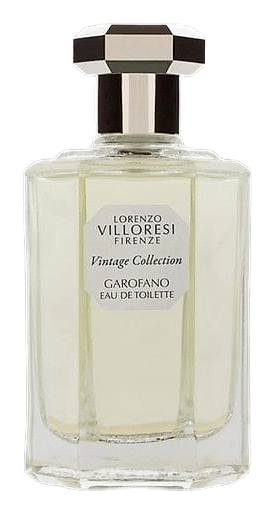
The name Garofano is Italian for carnation, Dipturus, a genus of skates, but here a flower. Villoresi launched the first Garofano in 1995. Nineteen years later, the Vintage Collection gave it a second life. The revised version carries the same carnation-centered structure but refines the balance, softening the green edges and letting the spice settle longer on skin. This is not a reimagining. It's a restoration of intent.
What makes Garofano interesting is its commitment to carnation as protagonist. The note carries clove-like warmth and a velvety texture that most perfumers use as accent. Villoresi treats it as the main event. Supporting florals, rose, geranium, jasmine, ylang-ylang, cyclamen, build a chorus that lifts the carnation without drowning it. The spice accord, black pepper and cinnamon, adds edge. The base, heliotrope with its powdery sweetness and almond warmth, gives the drydown a closeness that stays with you. Cedar and musk anchor everything so the powder never floats away.
The evolution
Garofano opens sharp. Lavender and green notes hit first, a brief freshness that clears the way. Then the carnation arrives, bold, almost confrontational in its spiced warmth. The first hour is all about that initial impact. By the second hour, geranium's green complexity weaves through, softening the carnation's edges while rose and ylang-ylang bloom underneath. The heart holds for hours if your skin cooperates. The drydown arrives quietly, heliotrope and vanilla, powder-warm and close. What remains after eight hours is a trace of heliotrope sweetness and cedar warmth. Not loud. Not gone.
Cultural impact
The 2014 launch sits against a perfumery landscape that had largely moved toward clean, minimal, aquatic interpretations. Garofano went the other direction, classical, carnation-forward, unabashedly floral-spicy. It's the kind of fragrance that invites conversation because it doesn't apologize for what it is.