
The Story
Why it exists.
The beginning
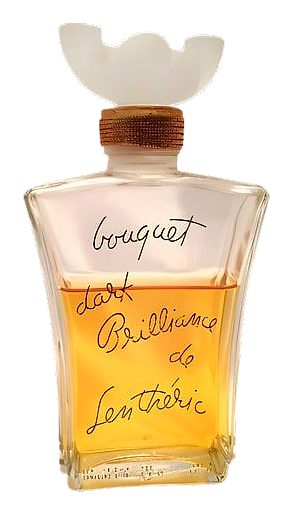
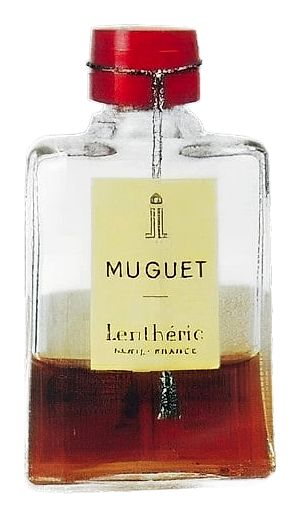
Muguet launched in 1939, a year that placed it at a particular moment in French perfumery. The name itself is simply the French word for lily of the valley, the small bell-shaped flower that blooms in gardens every May. Lentheric's Muguet treats that bloom with a kind of botanical literalism, building a portrait of the flower rather than a fantasy around it. Aldehydes give the petals their sparkle, lemon adds the green bite of crushed stems, and oakmoss anchors everything in the soil where the flower actually grows. There is no abstraction here, no attempt to dress the lily of the valley in the costume of something more dramatic. The composition reads like a close observation of the plant itself, caught at the moment of bloom when the scent is at its most delicate.
What makes Muguet interesting is how directly it commits to its single flower. The composition lets muguet dominate, then uses the aldehydes and oakmoss as structural counterpoints rather than distractions. The aldehydes don't add sweetness, they add the soapy, effervescent lift that makes the flower smell clean rather than cloying. The oakmoss doesn't add depth in a heavy sense, it adds the specific green darkness of a root system, a quiet anchor that holds the brightness in place.
The evolution
The first minutes are all aldehyde and lemon, a bright, almost metallic fizz that catches light off the skin. It feels more like the sensation of stepping into cold air than a floral perfume. Then the muguet arrives, soft and unmistakable, with that bell-shaped sweetness, and the aldehydes recede into the background as a supporting shimmer rather than the main event. The soapy quality deepens through the heart, the flower gaining a creamy, almost talc-like softness as the citrus sharpens into something greener and more stem-like. The oakmoss is the last to make its presence felt, rising through the drydown with a quiet, earthy weight that keeps the whole thing from floating away into pure soap. The transition from opening to heart happens gradually, the fizz softening into a more rounded floral without ever fully disappearing.
Cultural impact
Muguet sits within the broader category of lily of the valley fragrances, a small but persistent corner of French perfumery. Released in 1939, it arrived as a portrait of a single flower at a moment when many houses were still exploring how to capture florals with clarity. The fragrance speaks through its materials, aldehydes that lift, lemon that sharpens, and oakmoss that grounds, rather than through any dramatic statement. Its style places it among classic French floral aldehydes, compositions that prize transparency and clean structure over heavy base notes or dense orientals.