
The Story
Why it exists.
The beginning
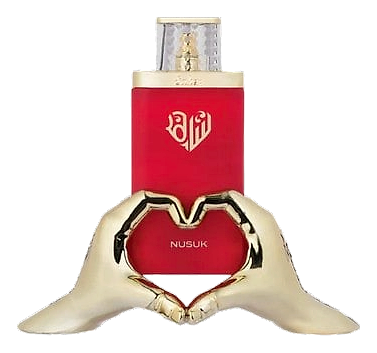
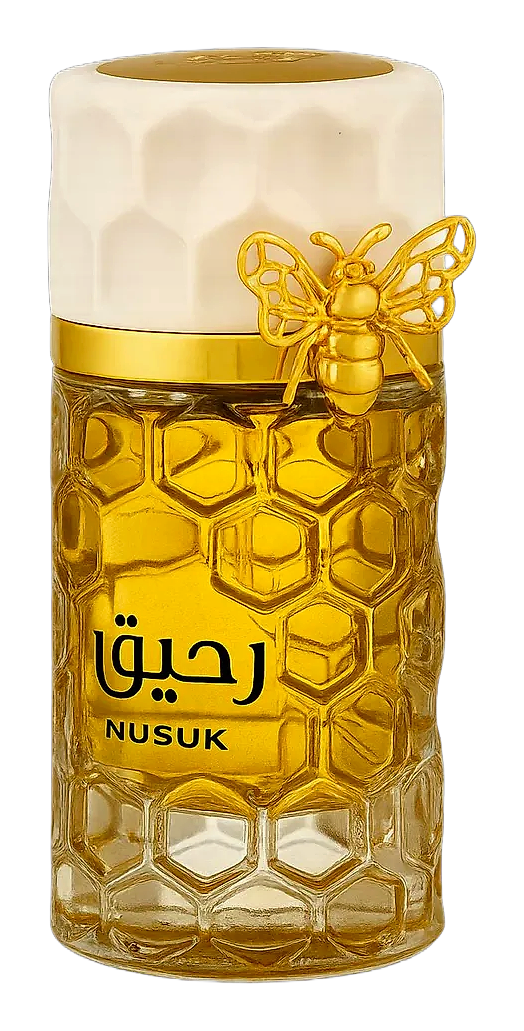
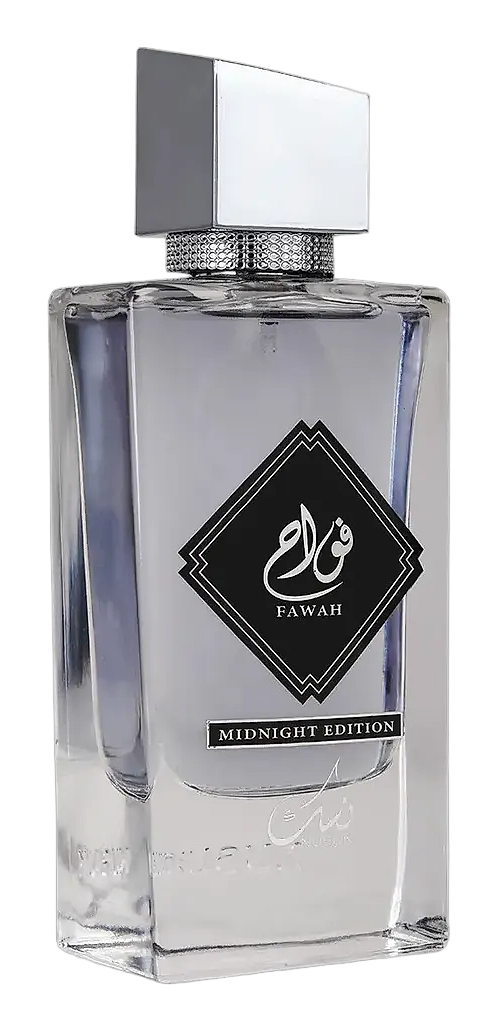
Nusuk built their reputation on oriental fragrances that honor Gulf aromatic traditions, and Fawah Midnight Edition continues that lineage with a scent engineered for the hours after dark. The house, born from Lattafa Perfumes in Dubai, understands that the right fragrance for midnight must command attention without screaming. This is where the spice and honey come in, a calculated opening that announces presence and then settles into something more nuanced as the night progresses.
Nusuk selected these notes because they work in sequence to create a complete night-time experience. The opening cinnamon and honey establish presence in a room, the davana and amber heart sustains interest and complexity, and the patchouli-tonka-vanilla drydown ensures the scent becomes part of your identity rather than something you are merely wearing. Osmanthus bridges the opening and heart with its floral-fruity character, while labdanum and benzoin anchor the composition in oriental tradition.
The evolution
The journey begins with cinnamon leading the charge, its spice striking first and fast. Honey follows within seconds, slowing everything down with sweetness that clings. Osmanthus threads through, adding a barely-there apricot blossom note that softens the aggressive opening into something wearable within minutes. As davana enters, the green herbaceous quality shifts the narrative, pulling focus away from pure sweetness toward something more complex and aromatic. Amber and benzoin respond by amplifying the warmth, thickening the air around the wearer. Labdanum lingers in the background, adding a faint animalic depth that gives the scent character. Patchouli arrives to ground everything, pulling the fragrance down to earth while tonka bean and vanilla create a creamy, sweet foundation that remains for hours.
Cultural impact
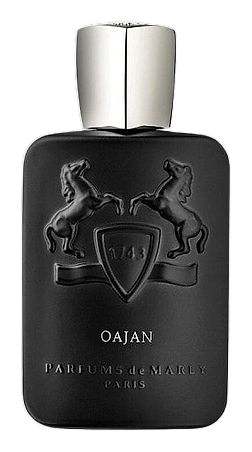
Fawah Midnight has built a small but vocal community around its value proposition, a strong-performing oriental fragrance that rivals offerings at significantly higher price points. Wearers consistently note its similarity to Parfums de Marly's Oajan, positioning it as an accessible alternative in a crowded niche-adjacent space.