The Story
Why it exists.
The beginning
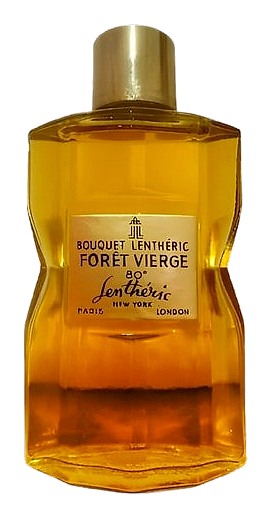
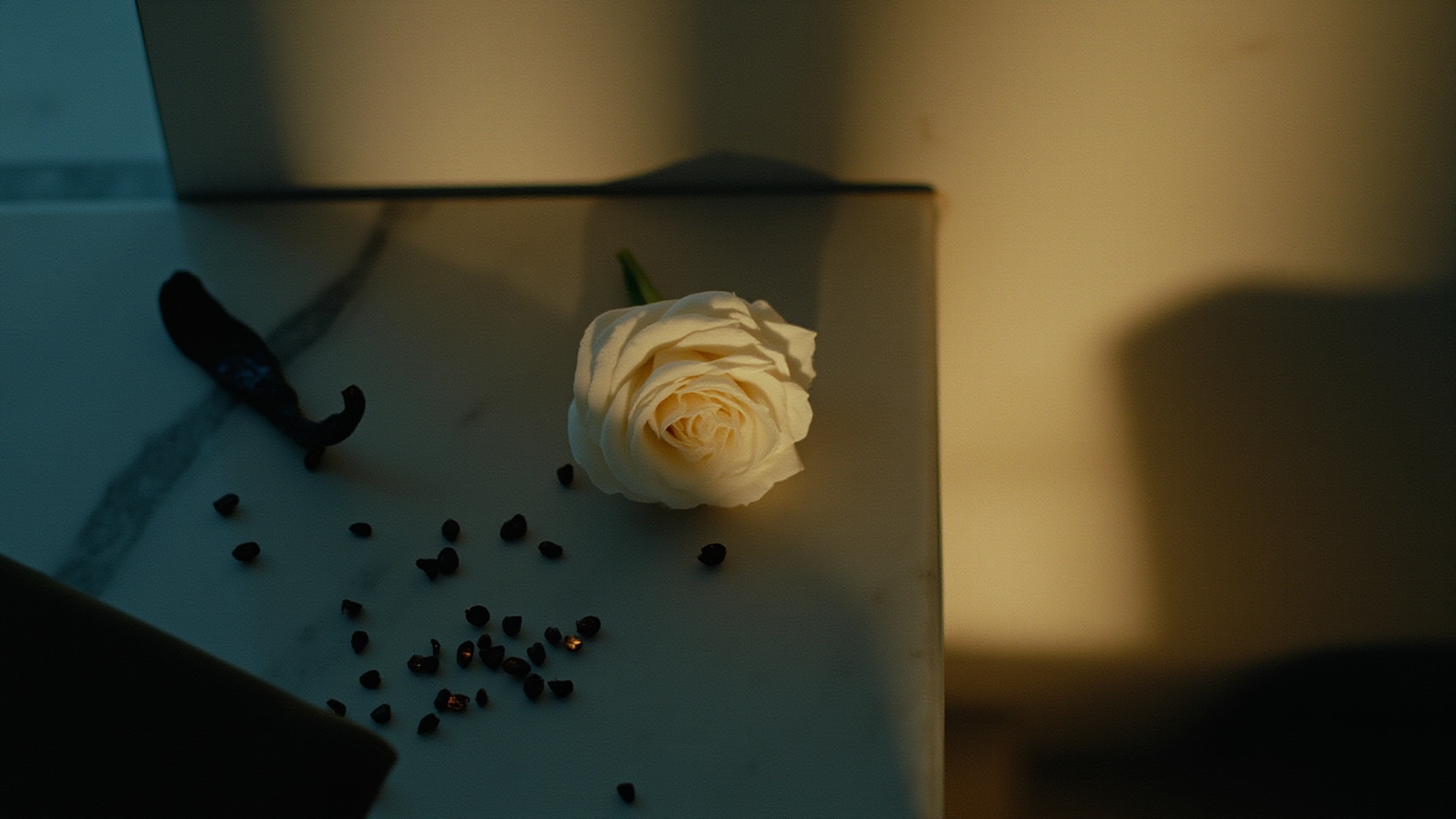
Forêt Vierge arrived in 1928, by which point Lentheric had moved well beyond whatever modest beginnings defined its earliest years. The name translates to "virgin forest," a Romantic gesture toward untouched green, though the composition itself leans the other direction entirely. This is a white-floral statement with milky warmth at its center, a fragrance built around the interplay of tuberose and ylang-ylang rather than any woodland greenery. The tension between name and content is part of its quiet charm: you expect leaves and damp bark, and what you get instead is a hush of petals pressed against warm skin. The wearer's own chemistry becomes the landscape the fragrance maps, a whispered confidence about the wearer as much as a portrait of any woods.
The trick of Forêt Vierge is that its name promises something it never quite delivers, and that's the point. Where a literal forest would offer green stems, resin, bark, and the sharpness of crushed leaves, the composition instead offers tuberose and ylang-ylang in tandem, a pairing that reads as creamy, almost lactonic, against skin. Vanilla arrives not as a base but as a sweetener woven through the heart, blurring the line between floral and gourmand.
The evolution
The first fifteen minutes are the loudest this fragrance gets, and they're not loud at all. Ylang-ylang arrives with its banana-skin sweetness, and tuberose joins almost immediately, the two almost fused into a single milky presence. There's no sharp green opening to announce the forest the name promises, just a hush of petals, and there's something slightly medicinal about the way white florals present when they're honest about their chemistry. As the first hour passes, the ylang-ylang softens and the tuberose takes more of the spotlight, gaining a faint creaminess that hints at what's coming. By the second hour, vanilla starts to surface, not as a distinct layer but as a thickening of the whole composition, rounding off the medicinal edge and pushing the florals toward something warmer and more edible.
Cultural impact
Forêt Vierge occupies a quiet corner of interwar perfumery, released in 1928 as one of the softer white-floral statements of its period. Its name suggests nature but its composition suggests skin, a tension that makes it feel more intimate than louder statements from the era. The tuberose and ylang-ylang pairing leans cream rather than green, and the vanilla threading through the heart pushes the whole composition toward the gourmand edge of the white-floral spectrum without ever fully crossing over.