The Story
Why it exists.
The beginning
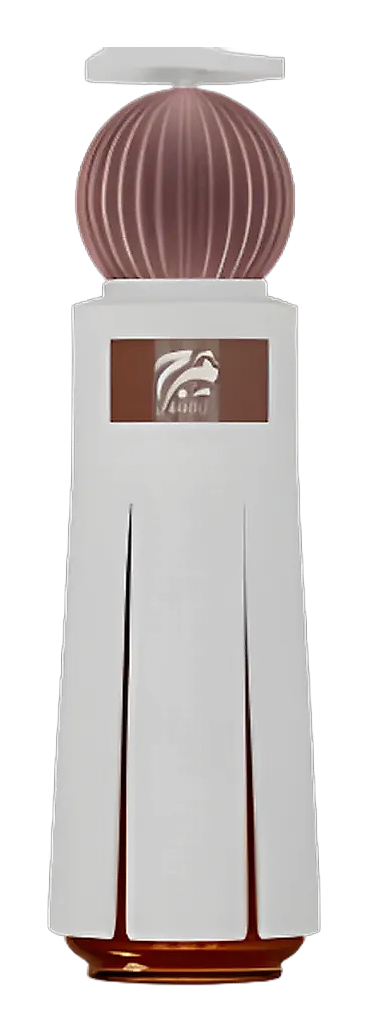
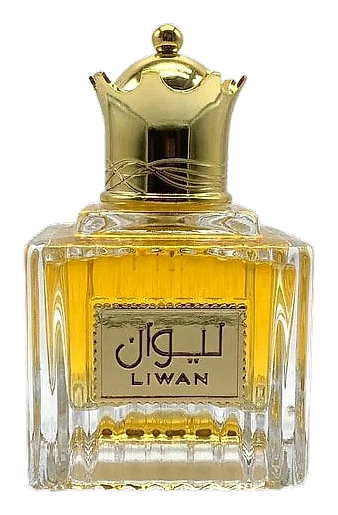
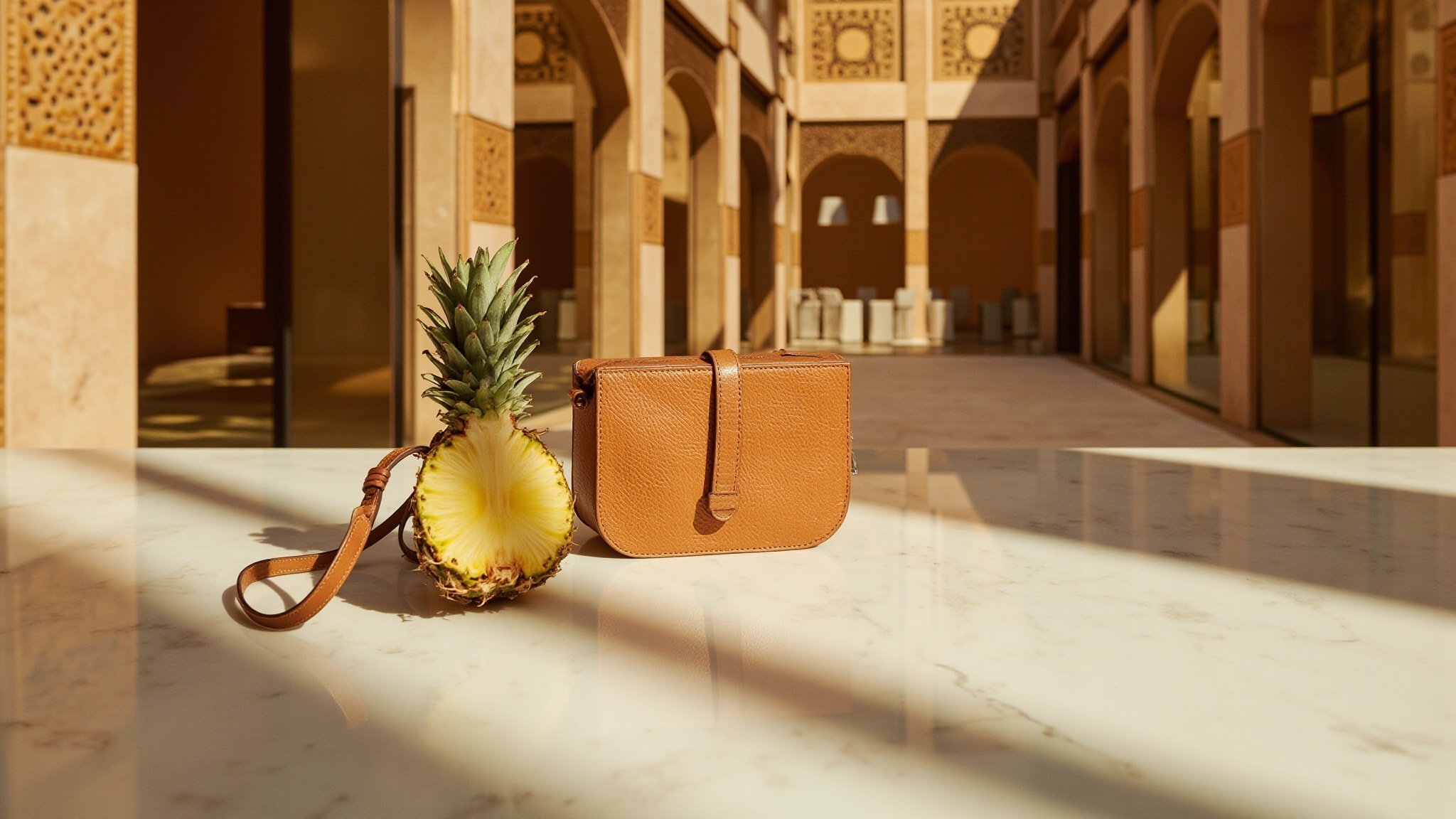
Liwan takes its name from the liwan, the covered corridor or gallery found in traditional Arabic architecture. Not a room. Not an open courtyard. The in-between space. The passage that connects one world to the next. That architectural concept became the fragrance's blueprint: start somewhere bright, arrive somewhere deeper, and make the transition the whole point.
The note structure reflects that passage perfectly. Four top notes, pineapple, pink pepper, bergamot, grapefruit, that open loud and tropical. Then the heart softens the energy with rosemary's herbal bite and osmanthus's apricot-floral sweetness, balanced by caramel that leans warm rather than sugary. The base is where Liwan settles into its identity: leather, amber, patchouli, and Haitian vetiver that ground the sweetness without erasing it. The bridge between fruit and leather is real, and it works.
The evolution
The opening hits immediate and bright, pineapple and citrus that don't ask permission. Forty minutes in, the sweetness deepens as caramel and ylang-ylang arrive, and the citrus retreats to the background. Rosemary keeps the florals from getting too soft. Two hours in, leather enters the conversation. Not a whisper, it announces itself. Patchouli and vetiver follow, adding earth and smoke. By hour four, you're in the drydown: warm amber, close skin, something that lingers without overwhelming. The next morning, faint traces of leather and vetiver on fabric. The full arc runs eight to ten hours on most skin types.
Cultural impact
As a 2025 release, Liwan enters a market where Gulf consumers increasingly seek locally produced scents that stand alongside legacy houses. The sweet-fruity-to-leather arc positions it as a bridge between the region's love of bold oud compositions and a growing appetite for accessible, versatileunisex fragrances. Its strong value-for-money rating suggests it found its audience quickly.