The Story
Why it exists.
The beginning
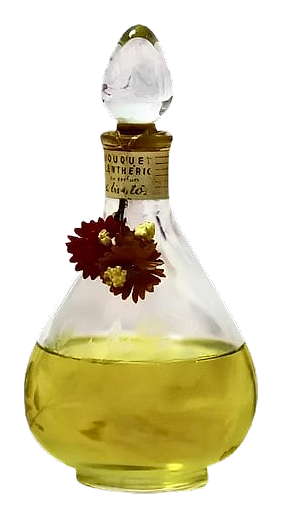
In 1885, Au Fil de L'Eau arrived from Lenthéric, a release that places it deep in the early vocabulary of French perfumery. The name translates roughly to 'along the water's thread,' and the fragrance treats that phrase as a kind of instruction: scent drawn out in a thin, clean line rather than something that fills a room with force. The piece reads as a single-idea composition, where one flower carries the whole shape of the thing, which is a structural choice that takes confidence. There is very little cushion underneath it, no spicy base creeping in to sweeten the deal. What you smell is mostly what the top delivers, held gently into the later stages of wear. The bottle was illustrated in a period advertisement, confirming the brand carried it forward after launch.
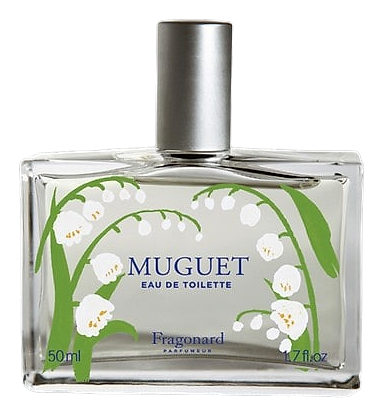
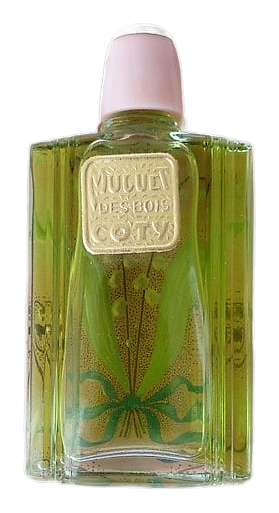
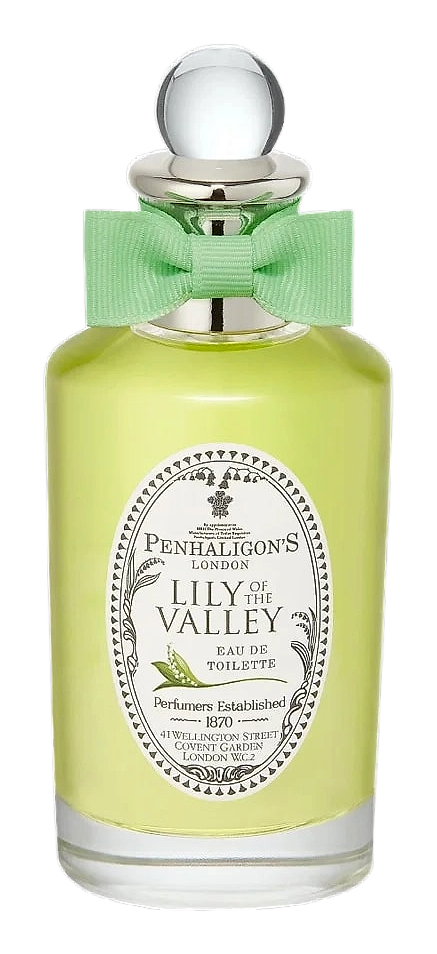
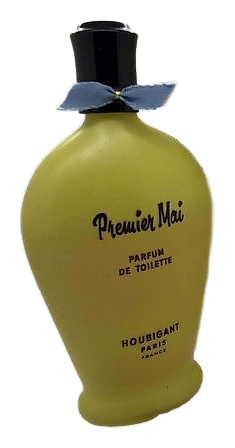
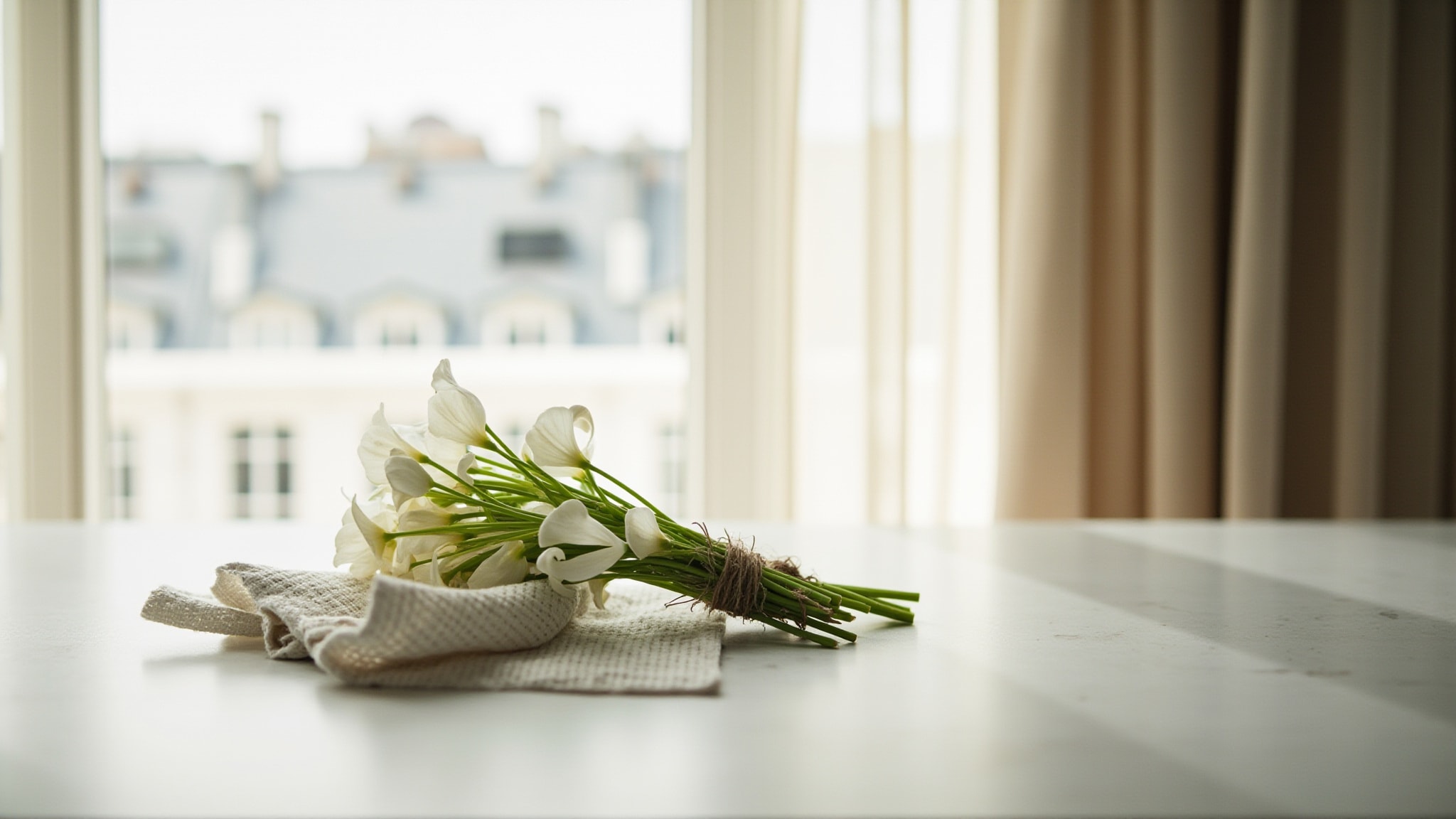
The central flower here is muguet, the lily of the valley that perfumers have long treated as a study in precision rather than abundance. To produce even a trace of its scent, the old perfumery texts make clear, required building the note from separate aromatic materials rather than distilling the flower in any practical yield, layering components like hydroxycitronellal for its sweet floral lift, a touch of rose to mimic its watery facet, and green aldehydes for the cut-stem impression. In Au Fil de L'Eau, that reconstruction sits nearly bare, and that bareness is the composition.
The evolution
On skin, the fragrance reads green before anything else, with the snap of crushed stems arriving ahead of the softer floral facets. The opening has no citrus lift to soften it, which makes the first moments feel sharper and more botanical than many florals manage. The muguet surfaces next, cool and slightly metallic in its sweetness, more like a stem snapped between fingers than a flower in bloom. The soapy side settles in soon after, the kind of clean that makes you check whether you put anything on at all. The whole composition stays in a narrow band for hours, the green and the soap holding the same shape almost the entire time. There is no spicy pivot, no rich base creeping in underneath, no warm amber arriving to change the temperature. What fades is mostly volume. The scent thins to a soft, skin-close trail and the sillage recedes.
Cultural impact
Au Fil de L'Eau wears its restraint like a point of view. It belongs to the tradition of muguet-centred compositions that treat the flower as a destination rather than a passing accord. The whole composition stays in a narrow band for hours, the green and the soap holding the same shape almost the entire time. Wearing it is a kind of quiet argument for doing less, a perfume that asks you to notice what you actually smell rather than what is announced to a room. The simplicity is unusual and it asks for patience from whoever wears it, and that patience is part of the pleasure.