
The Story
Why it exists.
The beginning
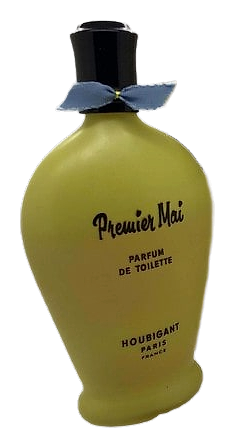
Premier Mai, French for the first of May, arrived in 1908. The muguet, or lily of the valley, is a flower with no usable essential oil. Every drop of its scent in perfumery is reconstructed, a technical puzzle that perfumers have worked to solve. Houbigant took that challenge and built a soliflore around it, letting one flower carry the entire composition rather than hiding it inside a bouquet. The result is a study in green clarity, that cool and slightly watery sweetness that muguet carries even when it is built from molecules rather than petals. It wears close to the skin at first, almost sheer, then settles into a soft radiance that lingers for hours without ever pushing its way into a room.
What makes the structure interesting is the restraint. Houbigant kept the focus narrow, letting jasmine, rose, and clove play a supporting role to the reconstructed muguet rather than competing with it. The jasmine adds a touch of indolic softness, that creamy almost-fruity edge that keeps the green from feeling sharp or cold. Rose contributes a soft, almost powdery sweetness that rounds out the lily of the valley's crystalline character. The clove is the surprise ingredient, adding warmth and a faint spice to what could have been a one-note exercise in green sweetness.
The evolution
The first ten minutes are pure muguet, cool and green, almost watery, like stems snapped fresh from a garden. Around the fifteen-minute mark, clove surfaces beneath the floral, giving the composition backbone and a faint warmth that makes the greenness feel less like a still life and more like skin. By the second hour, jasmine and musk have settled in, softening the muguet into something creamier and more intimate. The drydown is the long phase here. Musk carries the muguet's ghost for hours, leaving a clean, slightly sweet trace on fabric the next morning, the kind of scent that survives a wash cycle in faintest form. Above-average longevity for a soliflore, with a moderate sillage that stays personal rather than performing.
Cultural impact
Premier Mai sits in an unusual place. A muguet soliflore from 1908 is not a bold statement, it is a quiet one, and that has kept it largely outside the spotlight of mainstream fragrance conversation. The production appears to have been discontinued at some point, which gives surviving bottles an archival quality. It is not a fragrance that made a category or set a trend. It is one that recorded what a historic house chose to do with a difficult flower, building an entire composition around a scent that has to be assembled from nothing. The record of that choice still smells remarkably fresh.