The Story
Why it exists.
The beginning
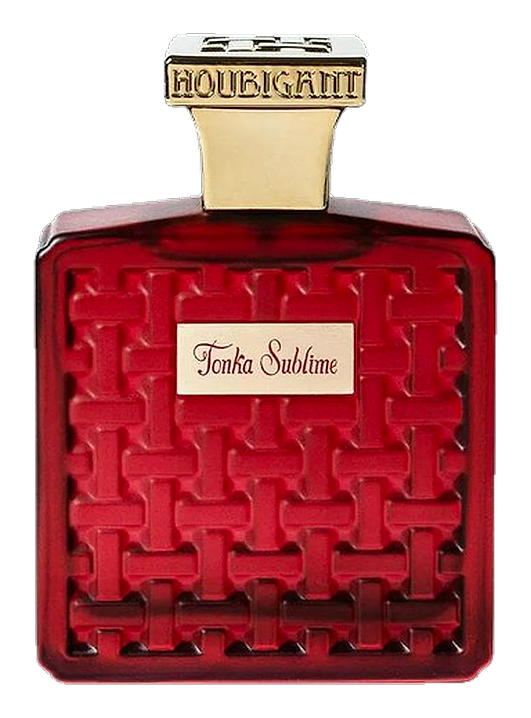
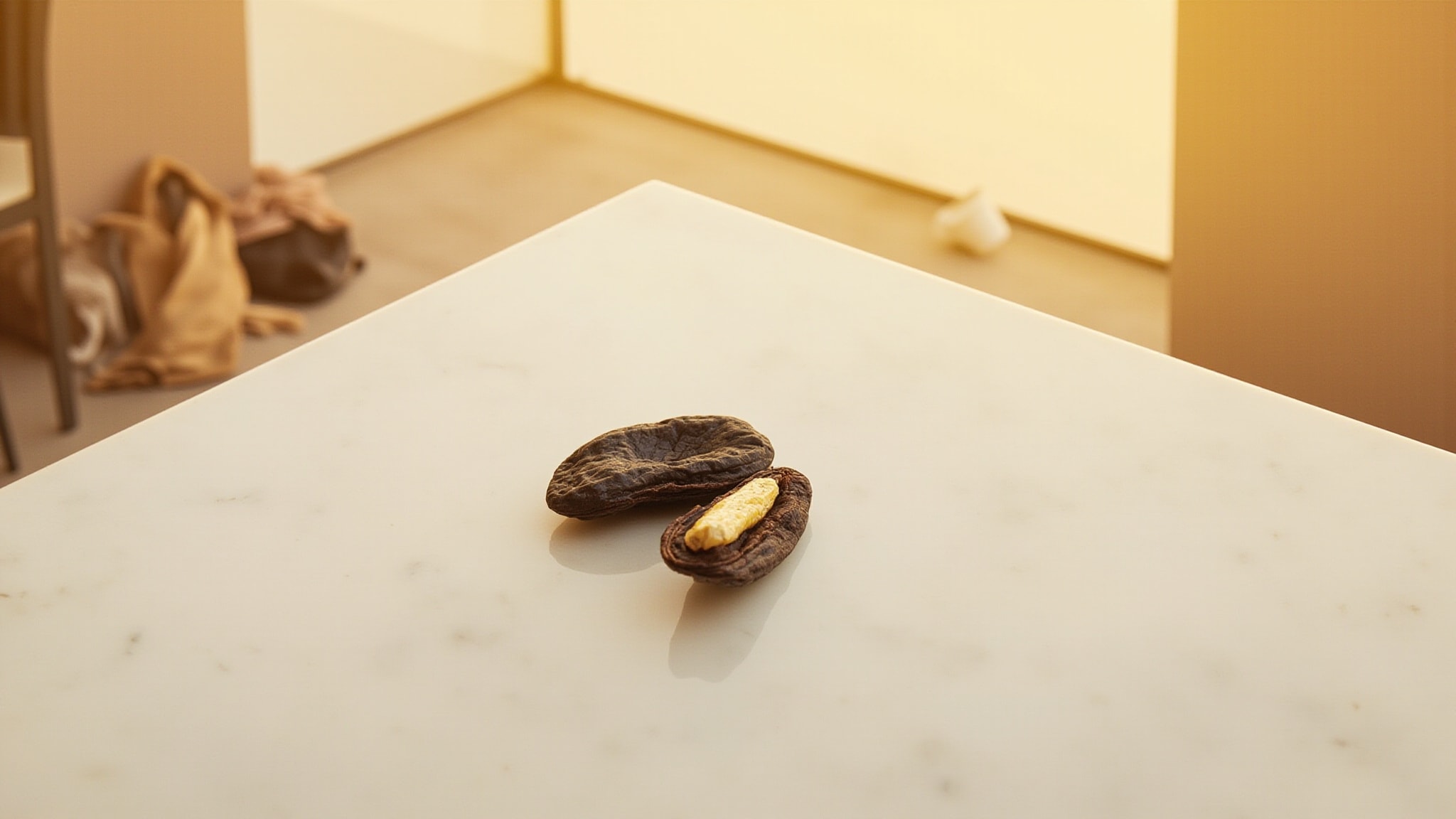
Gian Luca Perris built Tonka Sublime around a single conviction: tonka bean is not a comfort note. It is a material with range, coumarin, vanilla, hay, warmth, and it deserves compositions that take it seriously. The brief was clear: find the version of tonka that smells like something a person would choose deliberately, not out of nostalgia for the gourmand pleasures of childhood. The Les Ambres collection gave Perris a framework: amber as the house's anchor, sandalwood as its warmth, and everything else built around a tonka bean absolute that could hold its own against both. The name arrived last, after the formula proved itself, "Sublime" because nothing less captured what the material could do when treated as the main event rather than a supporting player.
What makes the structure work is the opposition between bitter and sweet. The almond opening carries a slight edge, the kind that comes from actual almonds, not from accord mimicking them. Star anise follows, not to dominate but to keep the sweetness from becoming flat. Mirabelle plum adds softness, but in the context of the almond and anise, it reads as warmth rather than fruit salad. Then the heart: davana and jasmine, both slightly herbal, both pulling the composition away from pure gourmand territory and into something with more dimension. The tonka bean absolute holds everything together in the base, not as a sweetener but as a bridge between the opening's spice and the drydown's warmth.
The evolution
The first ten minutes belong to the almond. Not a bright opening, more like the smell of almond paste before it's been shaped into anything. Star anise arrives quietly underneath, adding a faint licorice warmth that keeps the sweetness honest. Then, around the twenty-minute mark, mirabelle plum starts to push through. It softens the edges, adds fruit without becoming a dominant note. Jasmine follows, but it doesn't take over, it adds a floral undertone that makes the composition feel complete rather than heavy. By the second hour, the tonka bean asserts itself. This is when the fragrance earns its name: the coumarin opens, the vanilla surfaces, and the whole thing becomes something creamy and warm without ever becoming sugary. The sandalwood and amber settle in as quiet anchors. They don't announce themselves, they just make sure the tonka has somewhere warm to live. Eight to ten hours in, on most skin, the drydown becomes intimate. Close enough to catch, not loud enough to announce.
Cultural impact
Tonka Sublime arrives in a moment when gourmand has become a genre, often sweet, often simple, often relying on tonka as a shortcut to comfort. Houbigant's approach is different: tonka as material, not mood. The Les Ambres collection positions this fragrance within a house known for amber and warmth, but Tonka Sublime extends that vocabulary into something more complex. Wearers describe it as the scent of someone who has moved past novelty and into something more considered, not loud, not announcing, but present in a way that suggests confidence rather than need.