The Story
Why it exists.
The beginning
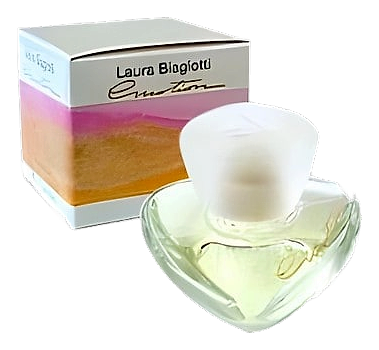
Sophie Labbé created Emotion in 2001 for Laura Biagiotti, the Italian fashion house founded in 1972 and known for its relaxed Mediterranean elegance. The house had spent two decades building a fragrance portfolio that treated scent as a spatial experience, arranging notes the way a designer arranges lines on a runway. Rather than naming this fragrance after a city or a concept, Laura Biagiotti chose Emotion itself as the brief. The word. The feeling. And then Labbé had to figure out what that smelled like.
What makes the heart of this fragrance interesting is the lily of the valley and vetiver combination. Two materials that could easily pull in opposite directions, one cool and green, the other dusty and earthy. In lesser hands, they'd fight. Here, they create a tension that keeps the tropical sweetness from becoming superficial. The ylang-ylang adds creaminess. The iris adds powdery elegance. The calla, less common in mainstream perfumery, adds an exotic floral note that rounds the heart without overwhelming it. Every material earns its place.
The evolution
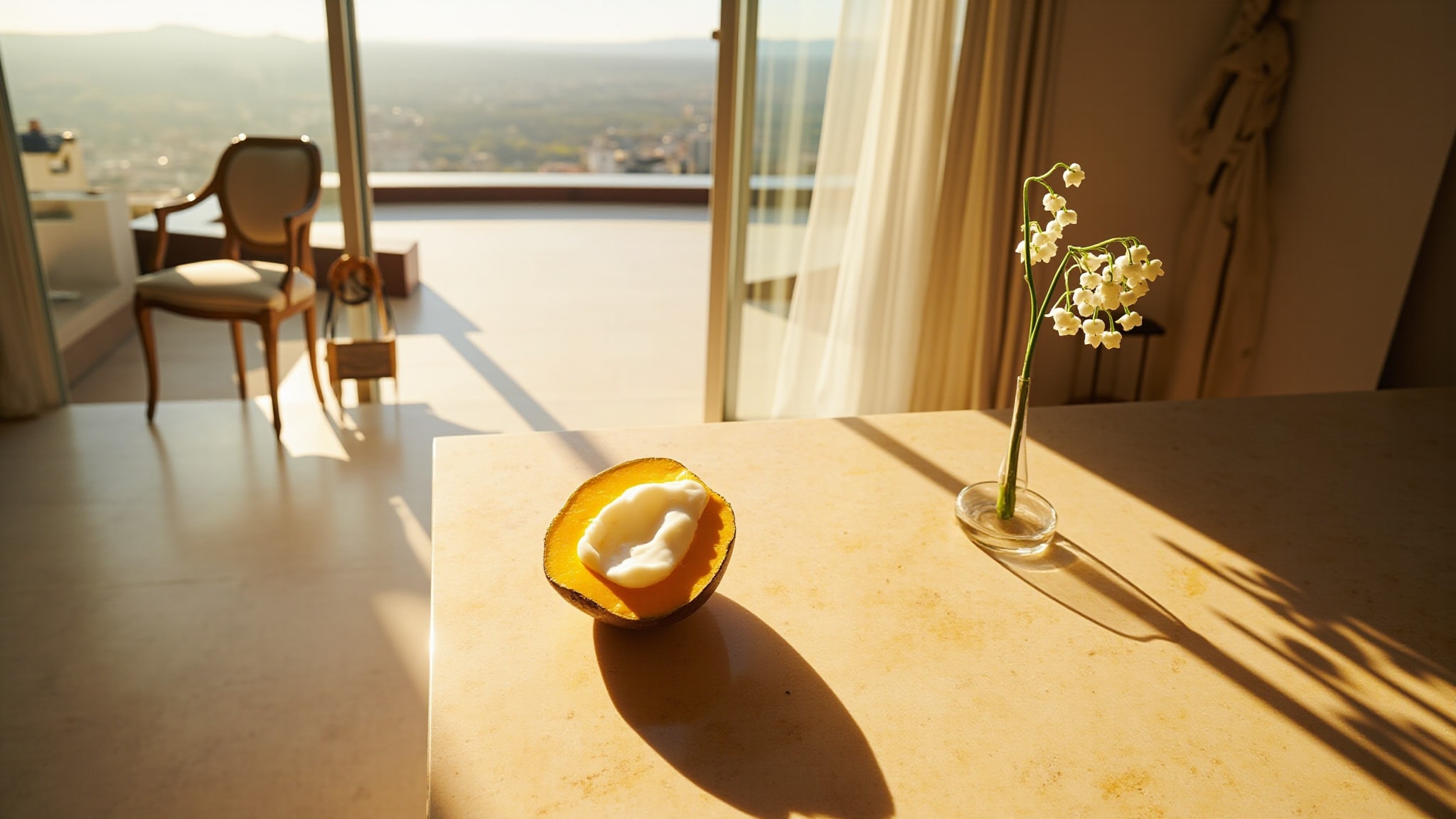
The opening hits with mango, blackcurrant, and coconut arriving together. It's tropical fruit at its ripest, sweet without being cloying, exotic without being aggressive. Then the lily of the valley emerges, cool and green, interrupting the warmth. The handoff happens around 30 minutes in: the tropical sweetness recedes as the white florals take over. Ylang-ylang brings cream, iris brings powder, and the two blend into something that feels both structured and soft. The drydown is where this fragrance settles into itself. The fruity brightness disappears almost entirely, replaced by sandalwood's warmth and vetiver's earthiness. Musk wraps everything in skin-close intimacy. The vetiver lingers longest, detectable on fabric hours after application, a quiet reminder that this fragrance doesn't rush its exit.
Cultural impact
Emotion arrived in 2001 during a period when powdery florals were gaining traction in the mainstream market. The addition of tropical fruit notes set it apart from the sharper, more aquatic fragrances dominating that era. It found its audience among wearers who wanted elegance without formality, a fragrance that felt at home in a sunlit room rather than a boardroom. The combination of lily of the valley and vetiver gives it a dusty, powdery character that some find polarizing and others find deeply personal. That's the mark of a fragrance that knows what it is.