The Story
Why it exists.
The beginning
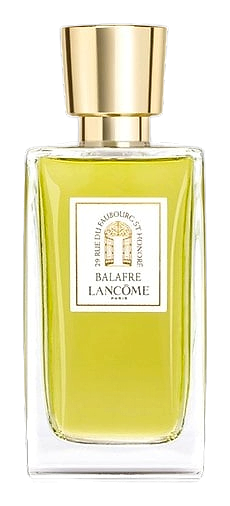
Balafre takes its name from the French word for a mark left by flame, a scar across landscape that becomes part of the terrain. Gerard Goupy designed the 2011 reinterpretation around that idea: green notes that burn bright, then settle into something darker. It's about transformation rather than arrival. The original 1967 composition was a different creature entirely; this version carries the same name but wears it differently, less flash, more patience. Goupy, who signed the vintage, returned for the update with a clearer sense of what the name demanded: a fragrance that leaves a trace.
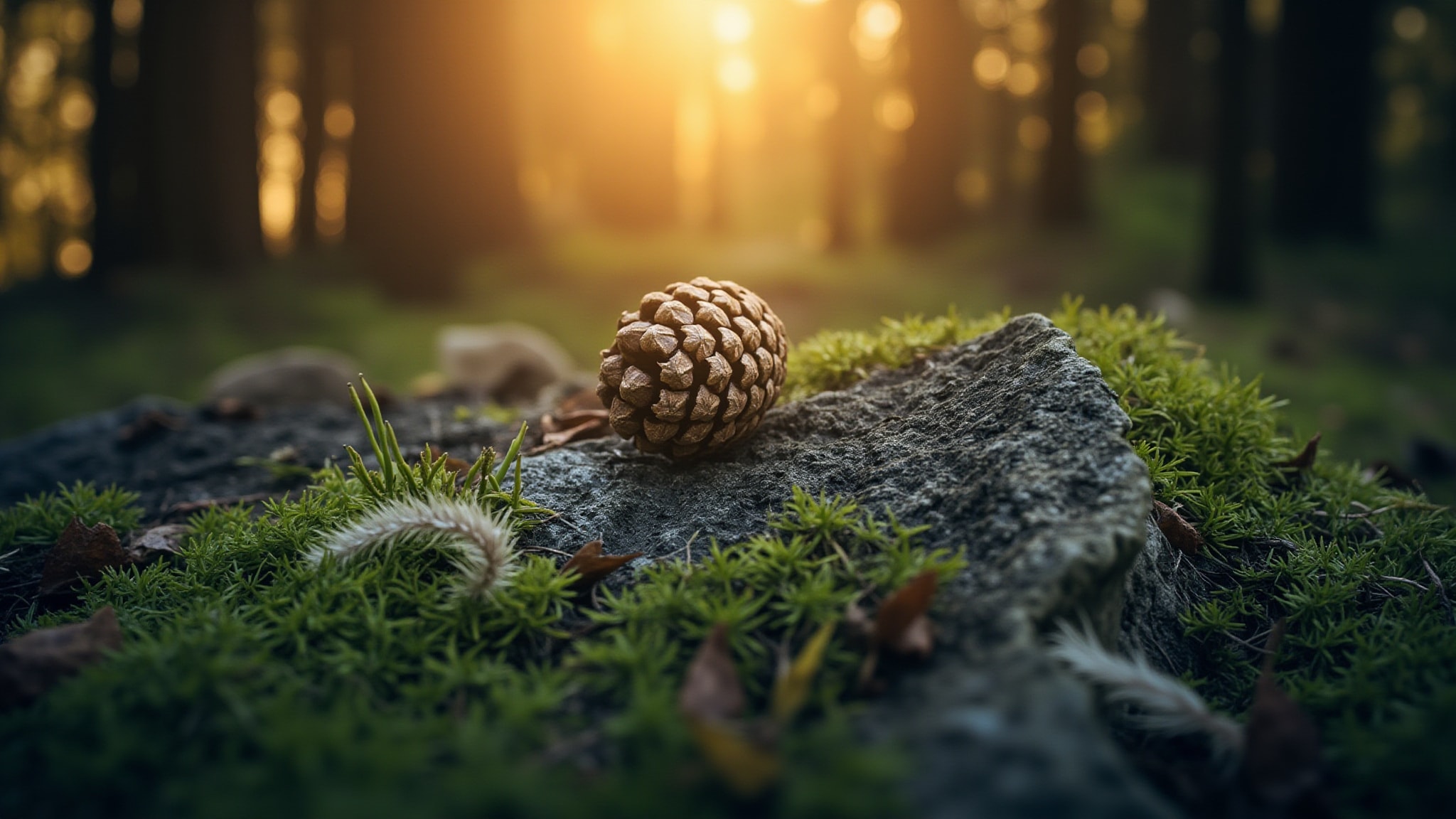
What makes Balafre interesting is the contradiction at its core. The opening hits with a herbal one-two, lavender, neroli, chamomile, that reads almost Mediterranean, bright and slightly medicinal. But the backbone is pure northern forest: cypress, pine needles, cedar. The clary sage and geranium in the heart don't soften anything. They deepen it, adding an herbal complexity that keeps the green notes from going fresh-and-clean. Then the base arrives and stays. Oakmoss, vetiver, leather. This is where the fragrance earns its name. Not in the opening, in what it leaves behind.
The evolution
The first thirty seconds announce themselves. Green citrus, sharp and immediate, followed by an aromatic wave of lavender and neroli that feels almost confrontational. Chamomile adds a faint bitterness, the kind that reads as medicinal if you're not ready for it. By the ten-minute mark, the heart begins to emerge. Pine needles arrive first, dry and conifer-sharp, with clary sage and geranium layering in an herbal complexity that keeps things interesting. Carnation adds a whisper of warmth, the only softness in an otherwise austere composition. Cedar anchors the heart, giving it structure. Then the drydown. Oakmoss takes over, dense and green, followed by vetiver and leather. This is where Balafre earns its reputation. The base notes hold, six to eight hours on most skin, with leather and musk lingering closest, like the memory of a jacket left on a chair.
Cultural impact
Balafre landed in 2011 as a statement: aromatic chypres and green woody fragrances hadn't disappeared, they'd been waiting. At a moment when masculine perfumery was trending toward aquatic and fresh-clean territory, this one looked backward without apology. The forest-like structure, the oakmoss drydown, the herbal heart, it felt like a rebuttal to everything bright and forgettable. Wearers who found it tended to keep it. That staying power, both in the fragrance itself and in the people who chose it, says something about what Balafre offers: a kind of olfactory stubbornness that's rare in modern releases.