
The Story
Why it exists.
The beginning
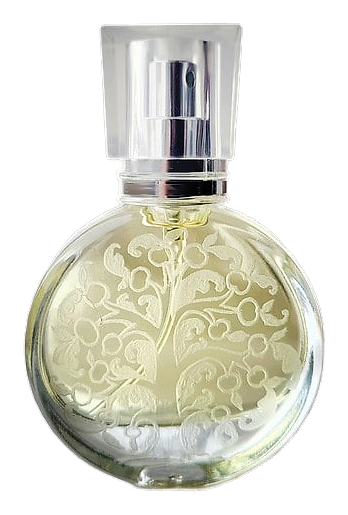
Yana Andreeva built Lace of Heaven from a single question: what does a powdery floral smell like when it stops trying to convince you? The name, Небесные Узоры, Celestial Patterns, references the lacelike frost that settles on windows in Russian winters, intricate and fleeting. Andreeva wanted that sensation in a bottle: something decorative, almost feminine in its delicacy, but grounded enough to wear. The apricot-neroli opening was her answer to the problem of white florals: too often they arrive heavy and stay heavy. Here, they arrive soft and stay soft. She used gardenia and tuberose not for their punch but for their warmth, the kind that builds without ever becoming loud.
The real craft here is in the heart. Gardenia, ylang-ylang, and tuberose are three flowers that can easily crowd each other out, each one dense, each one assertive on its own. The composition avoids that by letting peach and violet sit underneath as structural supports, giving the heavier whites somewhere to breathe. Ylang-ylang contributes its characteristic tropical sweetness, but in this context it reads less exotic and more ripe, the banana note that most people don't realize they're smelling when they encounter it in perfume. The green notes and neroli in the top layer serve a quieter purpose: they keep the apricot from going jam-like, which is the real risk with a fruity-white-floral structure.
The evolution
Apricot and rose arrive first, the apricot bright, almost effervescent, the rose barely a whisper underneath. Ten minutes in, the white florals begin their bloom. Gardenia unfurls first, creamy and slightly animalic, followed by ylang-ylang and the quieter warmth of peach. The transition is seamless. No harsh edges, no gap between what came before and what's arriving. By the second hour, the composition has settled into its drydown, a powdery cloud of vanilla and benzoin that sits close to the skin, warm and almost meditative. Sandalwood provides the anchor, keeping everything soft and lasting. On fabric, this fragrance goes to sleep and wakes up still there, a faint sweet trace in the weave.
Cultural impact
Lace of Heaven Небесные Узоры arrived during a pivotal era for Russian independent perfumery, when niche brands were carving out distinct identities outside the European luxury mainstream. Ladanika's approach with this 2017 release reflected a broader cultural moment where Russian indie perfumers began exploring powdery florals with the same rigor previously reserved for classic chypres and-oriental structures. The apricot-forward white floral composition spoke to a growing desire among regional consumers for softness and wearability over sillage-heavy statements.