
The Story
Why it exists.
The beginning
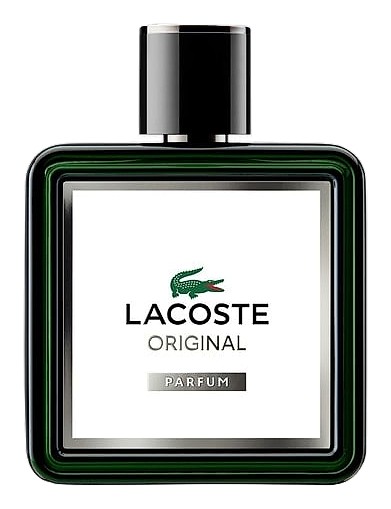
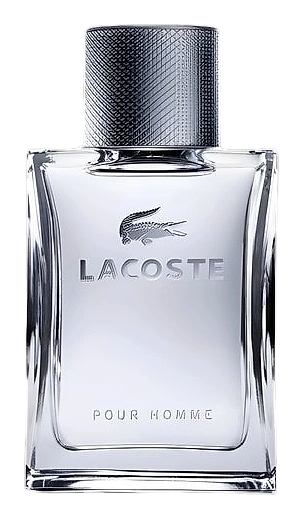
Lacoste Pour Homme arrived in 2002 as part of an expansion that took the tennis-court heritage of the crocodile and translated it into scent. Perfumer Claude Dir worked with the brand's established approach, clarity, balance, the kind of confidence that doesn't need to argue its case. The brief was simple: make something that felt as natural as the brand's iconic polo. What emerged was a fruity-spicy composition that positioned itself between the sporty fresh fragrances that came before it and the warmer, more complex orientals beginning to infiltrate the mass market. It wasn't trying to be revolutionary. It was trying to be right.
The note structure tells a story of contrast without conflict. Four fruits open the composition, plum, apple, bergamot, grapefruit, but they don't arrive chaotically. Plum leads, carrying sweetness and weight, while the citrus notes lift and brighten the edges. The heart pivots to spice: cinnamon and pink pepper warm things up, while cardamom and juniper add complexity that rewards attention. Then rum and vanilla arrive in the base, bringing a boozy sweetness that doesn't overpower, it settles.
The evolution
The opening burst is immediate, plum arrives bright and sweet, grapefruit cutting through with citrus sharpness. Bergamot softens everything at the edges. You get about fifteen minutes of fruit before the spices begin their slow takeover. Cinnamon announces itself first, then pink pepper adds a slight prickle. Cardamom lingers in the background, keeping the heart from becoming one-dimensional. The transition from fruit to spice happens gradually, there's no cliff moment where the plum disappears entirely. It fades, and something warmer takes its place. By hour three, rum and vanilla have settled in. The cedar and sandalwood provide structure without heaviness. On most skin, this fragrance holds for six to eight hours, with moderate sillage that stays close, intimate, not invisible. The morning after, there's a faint vanilla-musky warmth that lingers on fabric.
Cultural impact
Lacoste Pour Homme arrived at a transitional moment in men's fragrance culture, when the bold, aggressive masculines of the 1990s were giving way to more approachable, versatile scents. The 2002 launch positioned itself as a bridge between Lacoste's sporty heritage and the growing demand for refined everyday fragrances. Its fruity-spicy warmth reflected a broader cultural shift toward casual elegance in men's grooming, where confidence no longer required loud statements. The fragrance became a gateway scent for many men entering the fragrance world, offering sophistication without intimidation. Lacoste's established athletic brand identity lent credibility to this approach, suggesting that masculinity could be both relaxed and polished.