
The Story
Why it exists.
The beginning
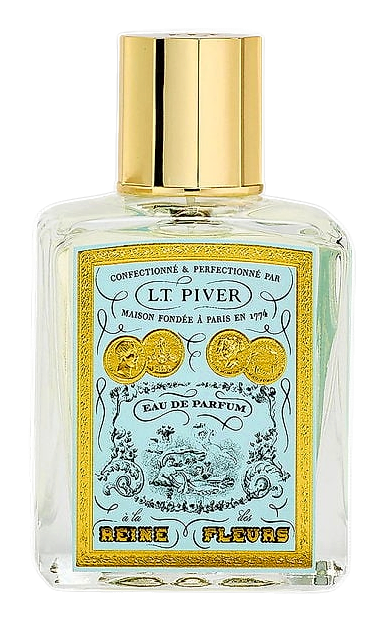
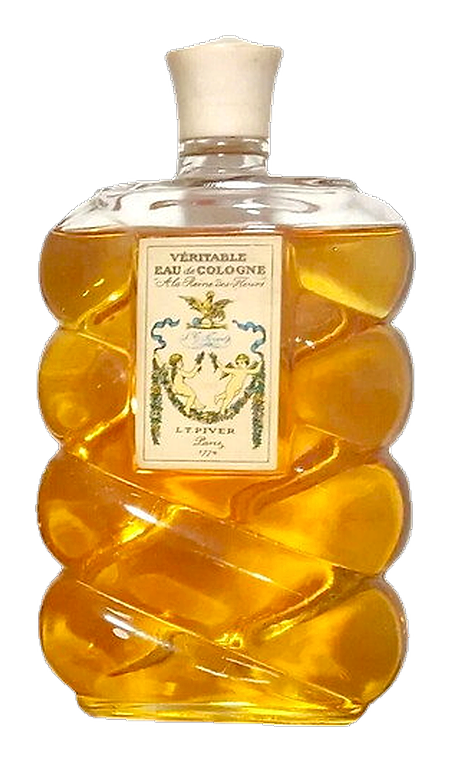
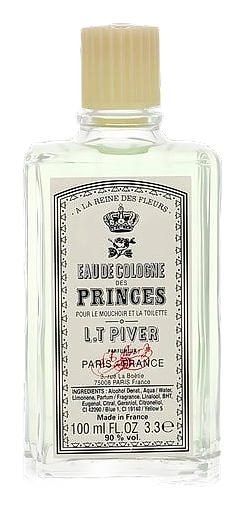
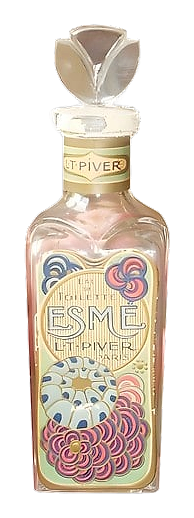
Esme arrived in 1900, composed by Georges Darzens for a French house whose roots run deep in the history of French perfumery. L.T. Piver was already a century past its earliest recorded fragrances by then, including À la Reine des Fleurs from 1774, producing colognes and florals with a sensibility that valued discretion over marketing. Darzens, working at the turn of the century, built Esme with the kind of restraint that defined the period. The composition is a portrait of self-assurance: powdery, floral, and absolutely certain of itself, the kind of fragrance that doesn't need volume to be felt. The name itself suggests a quiet kind of presence, a softness that carries without insisting. That intent, not the bottle, not the campaign, is the point.
Esme's composition was technically demanding even by 1900 standards. Darzens had to navigate a formula that needed to feel both delicate and substantial, a balance that defined the better work of the period. The result is a fragrance that wears close to skin rather than projecting outward, the opposite of the heavy orientals that competed for attention in the same years. It's a perfumer's answer to the question of how to smell elegant without smelling loud, a kind of argument made in materials rather than volume.
The evolution
Esme opens with a clean, almost cold wave of powder, the kind of lift that feels like stepping into a room where the curtains have just been drawn back. For the first stretch of wear, it reads cool, restrained, with a soft floral clarity that carries more weight than sweetness. Then the heart blooms. The composition warms, rounds its edges, shifts from that initial coolness into something fuller without ever tipping into indulgence. The drydown is where Esme settles into its real voice: warmer, woodier, with a quiet depth that holds the whole thing together. It stays close to skin for the full duration of wear, never projecting beyond arm's length, never demanding attention. What lingers the longest is that warm finish, a slightly creamy, gentle resolution that reads as comfort rather than statement. The fragrance doesn't try to impress you in the first five minutes.
Cultural impact
Esme by L.T. Piver threads back through one of the longer continuous histories in French perfumery, a house whose 1774 fragrance, À la Reine des Fleurs, marks one of the earlier recorded compositions in the French tradition. The powdery, floral sensibility that Esme embodies echoes a wider current in late 19th and early 20th century French perfumery, when restrained florals and quiet bouquets carried their own kind of sophistication.