The Story
Why it exists.
The beginning
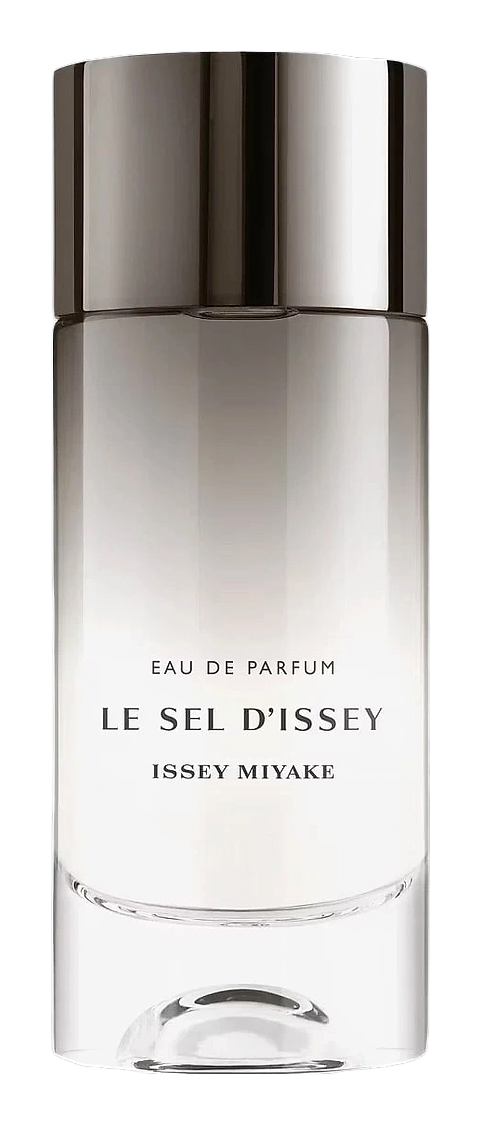
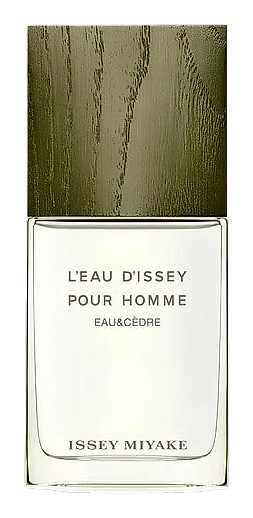
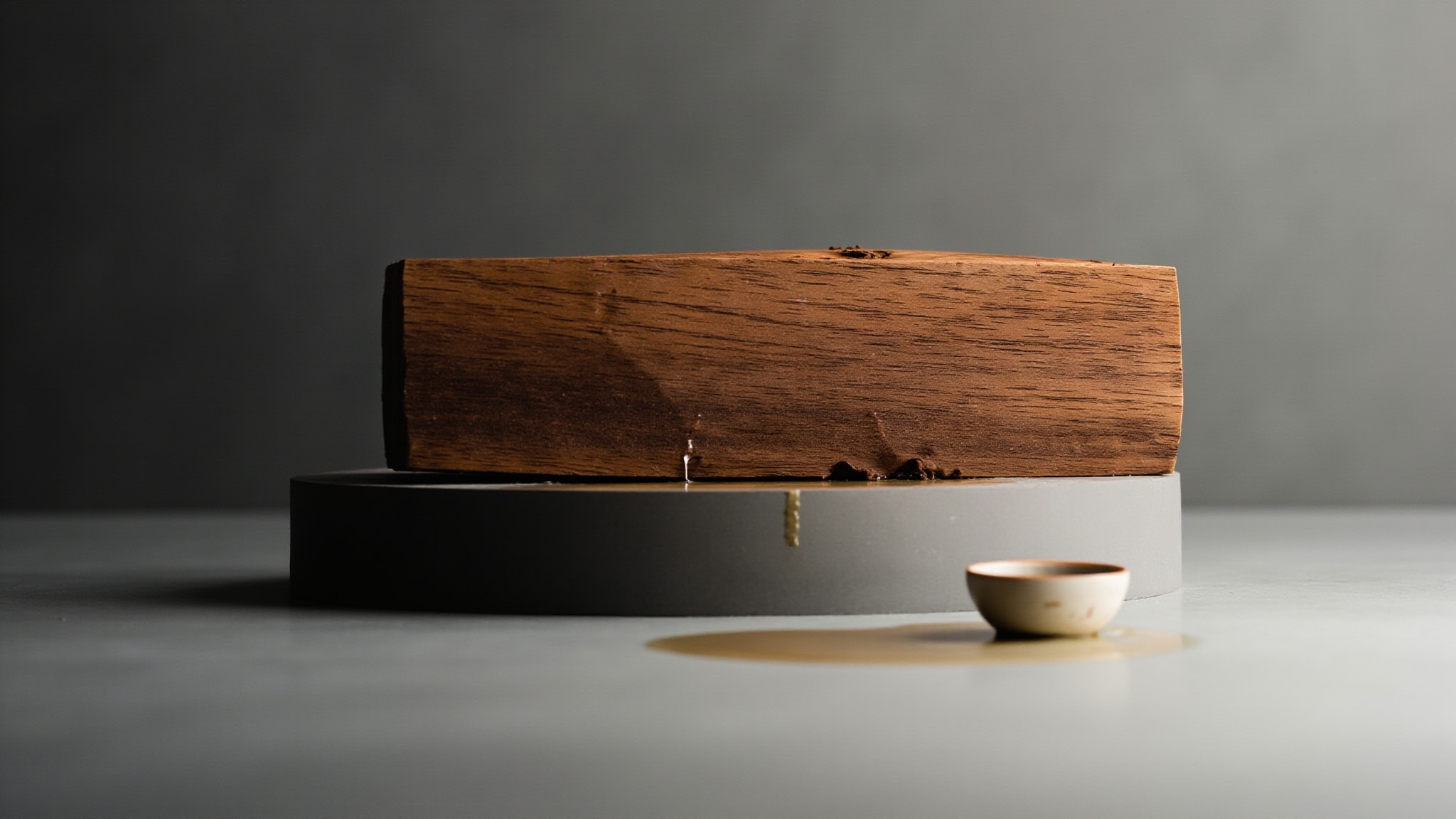
The original L'Eau d'Issey made water its entire identity. This fragrance takes that metaphor and asks a different question: what happens when the water meets something solid? The composition builds around cedar, but the material doesn't stand alone. Calone, the synthetic aromatic compound known for its aquatic, almost ozonic character, became the bridge between the two. Water that doesn't evaporate. Wood that doesn't splinter. The fragrance exists in that narrow space where neither element wins. Cedarwood takes center stage here, but it reads differently than it would in a traditional masculine fragrance. There is no sharp, pencil-shaving dryness. Instead, the wood carries a certain moisture, a softness that comes from the way the aquatic note weaves through it.
The note structure is deceptively simple: grapefruit, cypress, cardamom open. Cedar and Calone form the heart. Vetiver and patchouli anchor the base. But the interplay matters more than the ingredients. Calone doesn't smell like cedar, it smells like the air around cedar when it's raining. That distinction is where the fragrance lives. The combination of a marine synthetic with a dry wood is unusual in mainstream masculine fragrance, where these accords usually stay separate. Here they coexist without merging, which requires the other materials to hold their ground. Cardamom adds warmth without sweetness. Vetiver adds earth without heaviness.
The evolution
Grapefruit hits first, bright and citrusy, but it's not alone. The cardamom arrives quickly, adding a warm spice that keeps the citrus from feeling too sharp. Cypress brings an aromatic, almost green thread that threads everything together. The cedar begins to assert itself, dry, slightly resinous, but softened by the Calone working beneath it. This is the phase that defines the fragrance. The wood doesn't go dry and skeletal. It stays alive, almost damp. The vetiver and patchouli arrive in the final stages, adding earth and a faint sweetness that lingers close to the skin. Moderate sillage. The composition unfolds in distinct waves, each note taking its turn before yielding to the next. What begins as a bright, effervescent opening gradually deepens, the citrus softening to reveal the spice underneath.
Cultural impact
When L'Eau d'Issey Pour Homme launched, it arrived during a decade when masculine aquatics dominated department store counters. Rather than competing directly on aquatic freshness, Issey Miyake's interpretation threaded cedar through the typical grapefruit opening, creating a woody backbone that felt intentional rather than accidental. This positioned the fragrance as a quiet statement piece for men who found mainstream aquatic fragrances too superficial. The house had built its reputation on design principles that emphasized material honesty, where structure and texture matter more than trend.