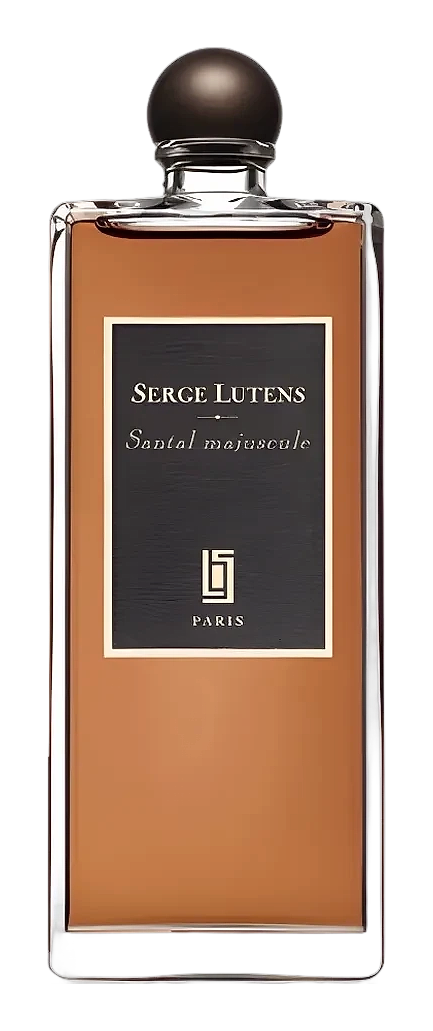
The Story
Why it exists.
The beginning
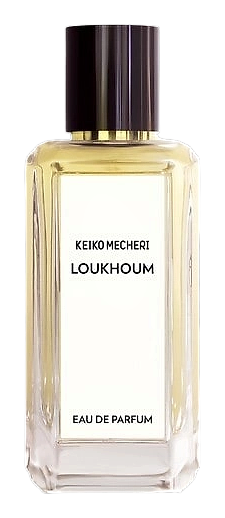
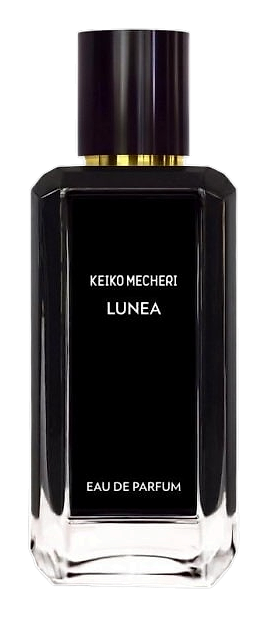
Lunea arrived in 2015 from Keiko Mecheri, a name that consistently shows up in discussions of niche perfumery. The fragrance marries two seemingly opposed worlds: ceremonial resins and dessert-adjacent gourmand notes. Myrrh and frankincense, ingredients with centuries of weight in temple and altar traditions, anchor a heart built around marzipan and toffee. Where many gourmands chase pure sweetness, Lunea pulls toward incense and smoke. The result feels deeply comforting but never cloying, the warmth of something baked mingling with the dryness of resin burning cool in a back room. There's almond paste and caramelized sugar in the opening, followed by a slow drift into something older and more contemplative.
The real move here is structural. Gourmand fragrances usually stack sugar on top of more sugar, vanilla, caramel, praline, reaching for the same cozy endpoint. Lunea breaks that pattern by layering the sweetness over frankincense and myrrh instead of over woods or vanilla. The resins bring bitterness, smoke, and a dry almost mineral quality that keeps the marzipan from becoming cloying. Neroli at the top adds a bitter floral edge, like orange peel candied with restraint. Rose in the heart does something similar: it prevents the toffee from tasting one-dimensional, pulling it toward Turkish delight territory. The result is a gourmand with backbone, sweet but never simple.
The evolution
The first fifteen minutes belong to candied mandarin and neroli, bright and almost sharp, the citrus reading like orange peel dipped in sugar water rather than fresh fruit. Within thirty minutes, the neroli retreats and marzipan takes center stage, joined by rose and toffee that blend into something dense and almond-rich. The sweetness here is generous but controlled, and myrrh threads through it, adding a dark, almost medicinal warmth that keeps the composition honest. After the two-hour mark, the gourmand elements fade and the resins take over. Frankincense leads the drydown, smoky and slightly peppery, supported by woody notes and a clean musk that sits close to skin. On fabric the next morning, the frankincense lingers, a quiet reminder that the sweetness was always the opening act, not the headline.
Cultural impact
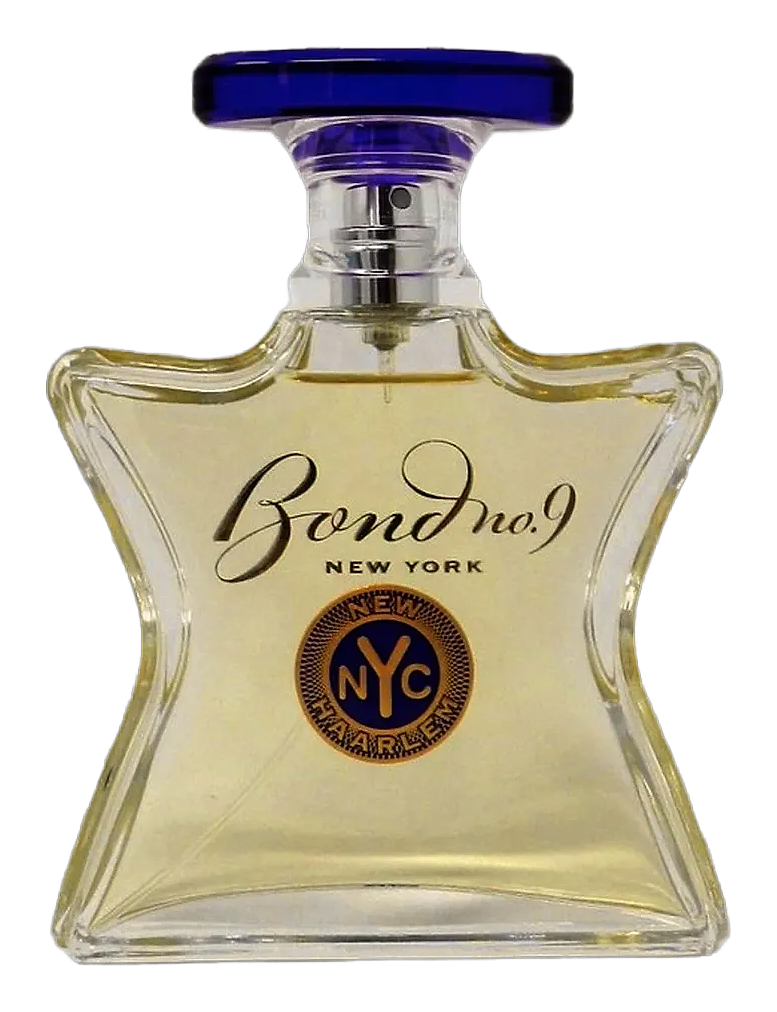
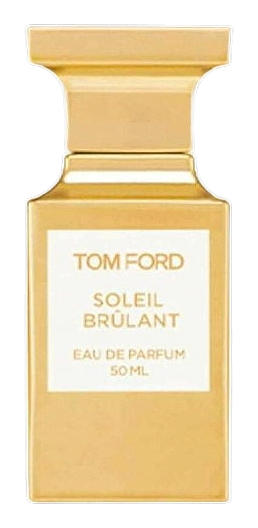
Lunea draws frequent comparisons to Bond No. 9's New Haarlem and Tom Ford's Soleil Brûlant, fragrances that occupy similar territory where spice, sweetness, and smoke converge. The marzipan accord in particular invites those comparisons, a confection note that reads distinctly almond rather than generic sugar. As the composition dries down, the incense moves forward and the comparison softens into something more personal. Reviewers tend to highlight the frankincense late phase as the most distinctive feature, a quiet but persistent resin that lingers long after the gourmand elements have settled into skin.