The Story
Why it exists.
The beginning
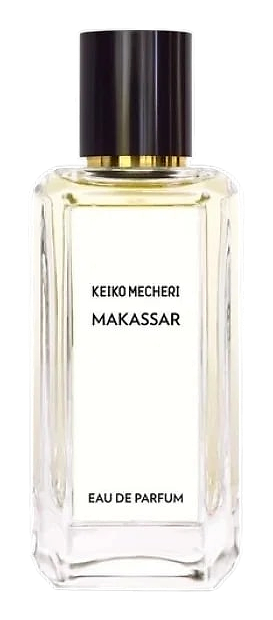
Makassar launched in 2004, an early composition from Keiko Mecheri that established the house's relationship with raw, natural materials. The name refers to Makassar, the Indonesian port city that was once a vital hub for sandalwood trade, though the sandalwood at the heart of this bottle is Indian white sandalwood. This is a fragrance built around a specific material treated with reverence rather than a place captured literally. There is no concession to trend cycles here, no overt marketing posture. The bottle simply presents what it is: a sandalwood composition that lets the wood speak through resin and spice rather than dressing it up. Makassar arrived at a time when niche perfumery was beginning to prize transparency about ingredients, and it wears that ethos without pretense.
The composition is striking in its restraint. There is no traditional pyramid here, no top notes that announce themselves and disappear. Instead, Makassar builds from a unified blend of Indian sandalwood, Siam benzoin, tonka bean absolute, patchouli, rose, and ambergris that hangs together from the first spray to the last trace on skin.
The evolution
On skin, Makassar opens with the benzoin and tonka bean arriving first, almost before the sandalwood itself. The first 15 minutes feel like warm resin, slightly sweet, with the rose just barely lifting above it. By the 30-minute mark, the Indian sandalwood fully asserts itself, turning the composition creamier and more substantial. Patchouli sits underneath, adding a faint earthy hum that never rises to the surface. From hour one through hour four, this is the heart of the fragrance: dense sandalwood wrapped in golden resin, warm but never heavy. The texture here is almost velvety, with the woods feeling polished rather than rough, and the tonka lending a smoothness that rounds every edge. After five or six hours, things settle into a quieter drydown.
Cultural impact
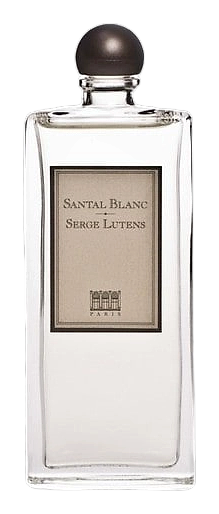
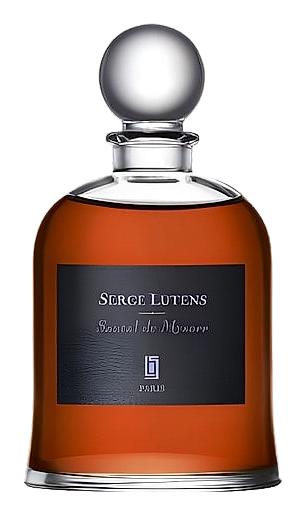
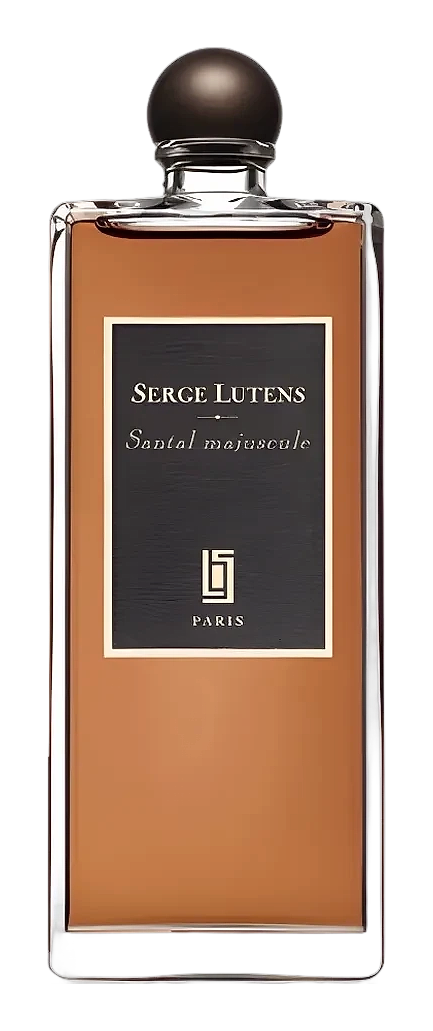
Makassar occupies a notable position within the landscape of sandalwood fragrances. The composition draws comparisons to several other sandalwood-centric releases, with Parfumo's algorithm listing it alongside similar compositions including Santal Blanc by Serge Lutens. Both fragrances share a creamy, resinous warmth, though they take distinctly different approaches to the material. Makassar leans heavily into the benzoin-tonka golden quality, creating a sweeter, more confectionary impression, while Santal Blanc incorporates fruitier elements that give it a brighter overall character.