The Story
Why it exists.
The beginning
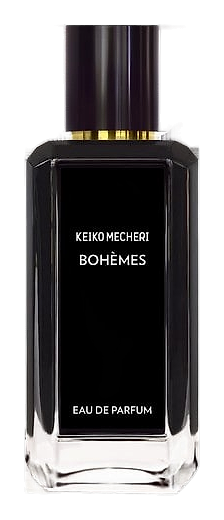
Bohèmes arrived in 2015, and it fits the kind of composition the house releases without leaning on trend or nostalgia. The brand's own framing captures the intent: fragments of surrounding smells, weaving a tale together. Not one life but several. A perfume built around layers that change residence over the day, rather than a single linear gesture. Bergamot to aldehydes to rose to plum to wood. The structure itself tells you something about the intent. Each note steps forward, makes its case, then recedes just enough to let the next one speak. Bergamot opens with that bright citrus snap, sharp and slightly bitter, the kind of top note that cuts through cold air. Aldehydes follow, and they're not shy here. The sparkle they bring is unmistakable, almost like light catching the edge of glass.
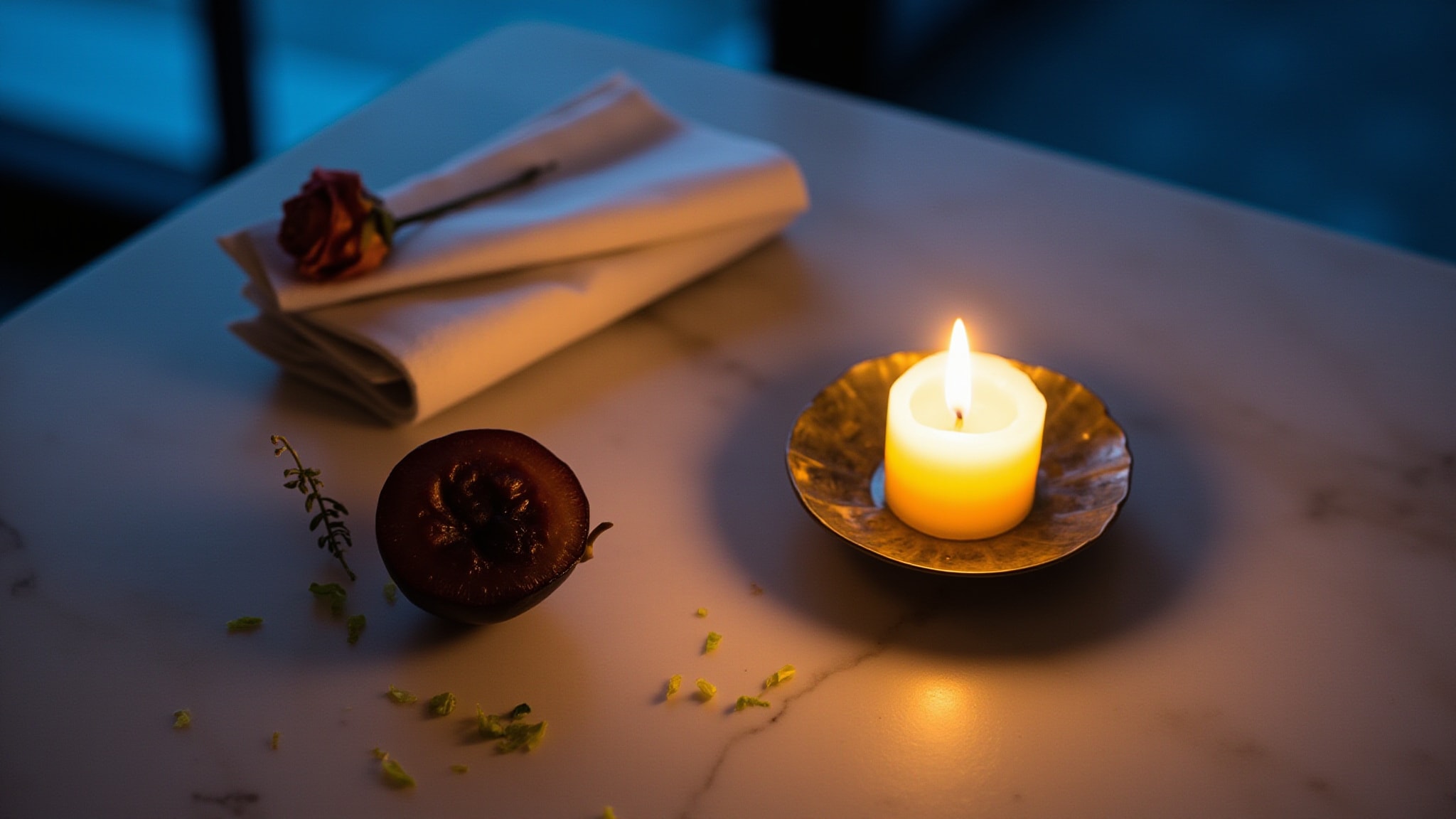
The aldehydes are what make Bohèmes unusual. They sit prominently in the composition, doing real work rather than serving as a passing shimmer. Pair that with davana, and the composition earns its sparkle from a place most fragrances don't go. Then the plum arrives, and the whole structure shifts. Plum in perfumery isn't sweet in the obvious sense. It's darker, closer to dried fruit, with a slight tartness underneath. The davana does something interesting here too, its herbal warmth softening the fruit's sharper edges and bridging into the rose above.
The evolution
On skin, Bohèmes opens with bergamot sharpened by aldehydes into something almost metallic. Cold and bright, the citrus snap catches first, that initial burst of sharpness that signals a composition with something to say. The aldehydes follow quickly, lifting the whole opening into a register that feels airy and electric, a brightness that doesn't come from any natural citrus note alone. The rose arrives shortly after, not as a soliflore statement but as a supporting voice, powdered and slightly sharp, steering the composition away from anything too gourmand. As the opening settles, the davana begins to warm through, bringing a fruit-forward quality that adds a different kind of depth. The composition starts to shift from something bright and sparkling into something rounder, the herbal facets of the davana softening the sharper edges of the aldehydes without drowning them out entirely.
Cultural impact
Bohèmes sits somewhere between classic aldehydic florals and modern niche compositions, and that positioning is part of what makes it interesting. The aldehydes are used with a confidence that recalls older compositions, but the davana, rose, and plum arrangement is unmistakably contemporary. The plum note is the one that draws the most varied responses. Some hear dried fruit, others hear marzipan, and a few hear something closer to a pharmacy counter, a slight medicinal edge that cuts through the fruit's sweetness.